WINDOWS


Date added: 08.07.26
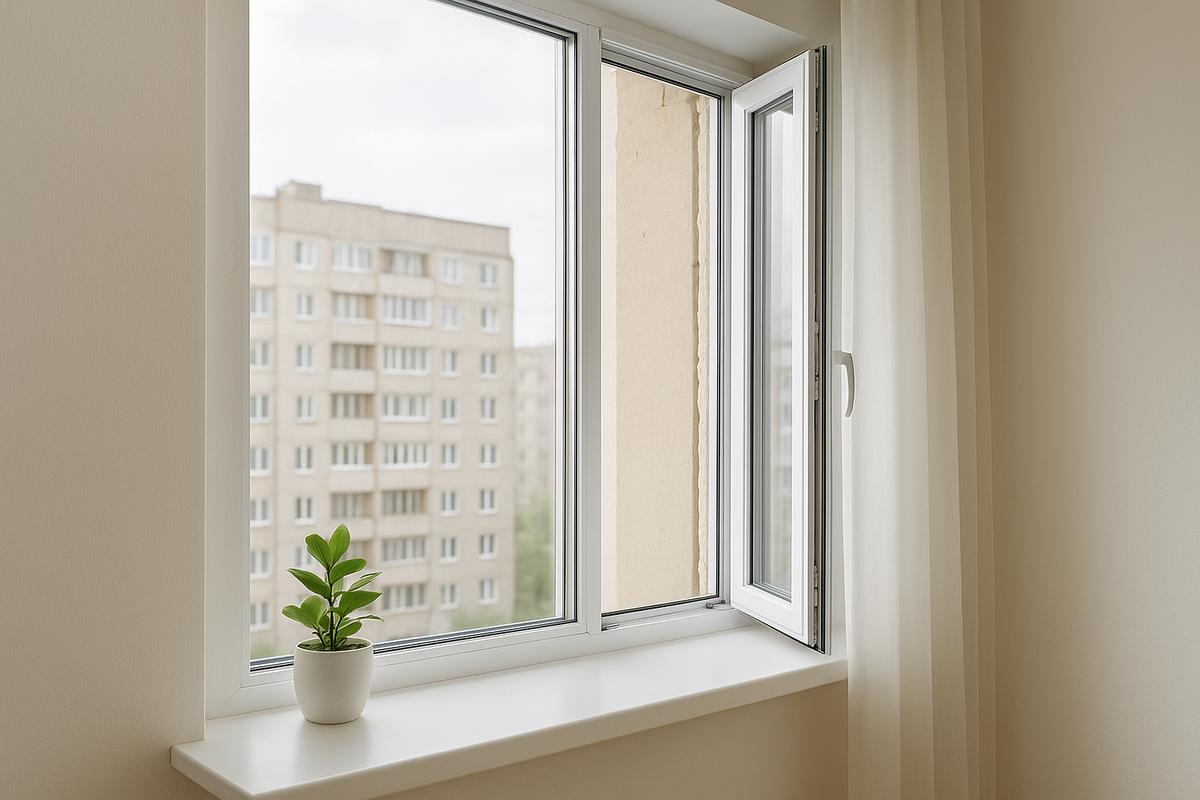
Tips for insulating apartments in series 103
Why insulating series 103 apartments matters
Series 103 is a typical Soviet-era panel block with narrow joints between panels, cold corners and uniform openings. Poor sealing around windows and panel joints leads to drafts, high humidity and significant heat loss. This guide gives practical, realistic recommendations you can implement with PVC windows and moderate expense.
Initial inspection: what to check before work
- Visual check of panel joints and window reveals (slopes).
- Condition of window seals in the sash and frame.
- Presence of cold bridges (feeling cold near corners and reveals).
- Condition beneath the sill and floor-level gaps.
- Ventilation system status (kitchen and bathroom exhaust).
Tip: thermal imaging helps, but a nighttime hand inspection can reveal cold spots too.
Step-by-step insulation and sealing guide
1. Sealing panel joints
- For visible exterior cracks or degraded foam: re-fill with high-density polyurethane foam and finish with an elastic facade sealant.
- Interior seams: use acrylic sealant or vapor-control tape to reduce air infiltration.
2. Window maintenance and sealing
- Inspect and replace rubber seals in sashes when worn.
- Adjust locking mechanisms and hardware — weak compression often causes drafts.
- Replace glazing units if needed: low‑E double glazing or triple glazing for colder rooms.
3. Reveals and windowsill
- Insulate internal reveals with mineral wool or foam board and add vapor barrier on the warm side.
- External reveals can be finished with insulated panels or insulated plaster.
- Fill the gap between frame and reveal with installation foam, then cover with vapor‑control tape and finishing trim.
4. Balcony and loggia
- Ensure tight junctions between balcony floor, walls and window frames to reduce heat loss.
- Insulate balcony floor and consider adding an additional glazing layer.
- Exterior facade insulation is preferable if permitted by building rules.
5. Ventilation and moisture control
- Complete sealing without controlled ventilation can cause condensation and mold.
- Install trickle vents in windows or mechanical ventilation/recovery units in major renovations.
Materials and tools — quick checklist
- High‑density mounting foam.
- Elastic facade sealants and indoor acrylic sealants.
- Vapor barrier and vapor‑permeable tapes.
- Mineral wool or extruded polystyrene (XPS).
- Replacement seals, glazing units, and basic hardware tools.
Typical workflow for one room (1–2 days)
- Inspection and surface preparation: clean joints and reveals.
- Internal sealing of gaps with foam and sealants.
- Adjust or replace seals and hardware on the window.
- Insulate reveals and finish windowsill.
- Check ventilation and finalize trims.
Frequently Asked Questions (FAQ)
Do I need to replace the whole window or only seal it?
If the profile is intact and the glazing unit is modern, often replacing seals and adjusting hardware is enough. If the frame is warped or glazing is single pane, full replacement is recommended.
Which insulation is better for reveals: mineral wool or EPS?
Mineral wool offers better sound insulation and vapor permeability; EPS (polystyrene) is cheaper and easier to fit. For internal reveals, mineral wool with a vapor barrier is commonly used.
Will improved sealing affect ventilation?
Yes. More airtight windows reduce natural air exchange. Install trickle vents or a mechanical ventilation solution to avoid moisture problems.
Can I insulate the facade of a multi‑apartment building?
Only with approval from the homeowners association and according to building regulations.
Conclusion
Insulating a 103 series apartment requires a comprehensive approach: sealing windows and joints, insulating reveals and balconies, and ensuring proper ventilation. Correctly done upgrades reduce heat loss, increase comfort and lower heating bills. When in doubt, consult professionals for measurements and material recommendations.
DK-Logi blog topics and categories
Useful articles about PVC windows, blinds, and practical advice for your home.


GET A FREE WINDOW COST ESTIMATE!
Leave a request, and we will contact you to arrange a free measurement and provide a full cost estimate.
Your name
Your phone number *
Your e-mail
File
Choose file
Comment (e.g., window sizes, quantity, preferred profiles)
2025 © All rights reserved