WINDOWS


Date added: 05.10.26
Tips for insulating apartments in series 119
Tips for insulating apartments in series 119
Series 119 buildings are common panel apartment blocks with typical panel joints, balconies/loggias and thin external partitions. Proper insulation reduces heat loss, cuts heating costs and improves indoor comfort. This guide focuses on practical actions for apartments in Soviet-era panel houses of the 119 series.
Key stages
- Inspection: check windows, panel joints, window reveals and balconies. Look for drafts, damp spots and mold.
- Prioritize windows: in panel buildings up to 30–40% of heat can be lost through windows. Start with sealing and replacing gaskets, then consider upgrading glazing.
- Balconies and loggias: insulating and integrating a loggia can yield big savings, but ventilation and vapor barriers must be addressed.
- Walls and reveals: seal joints, reduce thermal bridges and finish reveals with proper materials.
Windows: what matters
- Seals and sash adjustment
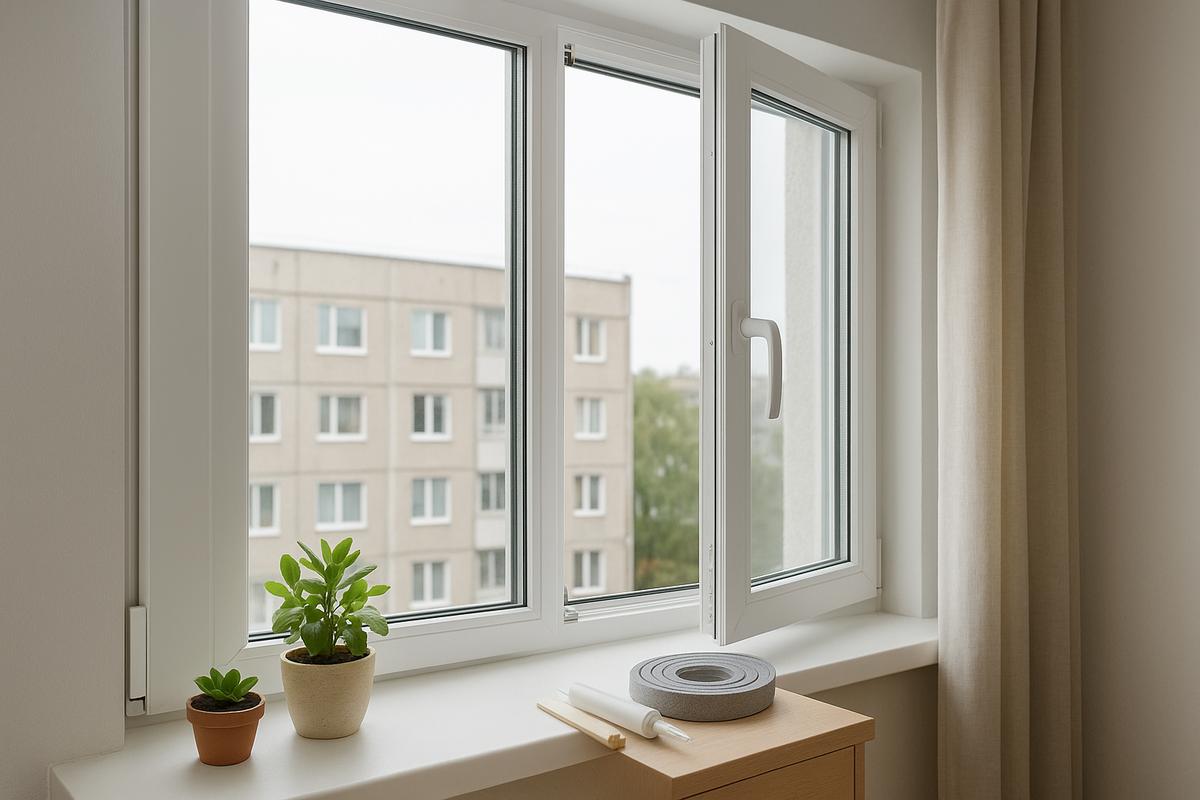
- Inspect rubber gaskets; replace cracked or hardened seals. New seals improve airtightness and noise reduction.
- Adjust sashes so they close evenly — sagging or misaligned sashes cause drafts.
- Insulated glazing units (IGUs) and energy performance
- Replace single or old double glazing with a two-chamber IGU and low-emissivity (Low-E) glass to reduce heat loss.
- If budget is limited, consider adding a secondary glazing frame or an internal secondary glazing unit.
- Sills and reveals
- Fill gaps under the sill with expanding foam and seal with vapor-resistant tape.
- Use insulated reveals and lightweight finishing panels to minimize cold bridges.
Balcony and loggia: should you integrate?
- Integrating a loggia with the living room increases conditioned volume and reduces heat loss. Insulate the floor, ceiling and side walls of the loggia.
- If glazing is poor, replace the frames and insulate the parapet first.
- Plan for ventilation: sealing the apartment without providing fresh air will cause condensation problems.
Panel joints, walls and internal insulation
- Panel joints are common cold spots. Use elastic sealants, tape systems and local insulation to treat these areas.
- Internal insulation (mineral wool, foam boards) works well but reduces room area; use a layered approach: vapor barrier — insulation — finish.
Ventilation and moisture control
- After improving airtightness, ensure fresh air supply — natural ventilation in panel blocks is often insufficient.
- Consider window-mounted trickle vents or a mechanical ventilation system with heat recovery (HRV).
- Monitor indoor humidity to avoid condensation and mold.
Practical sequence of works
- Identify drafts and sources of heat loss.
- Adjust sashes and replace gaskets.
- Upgrade glazing or add secondary glazing.
- Insulate sills and reveals.
- Seal panel joints and apply targeted insulation.
- Arrange ventilation before completing airtight sealing.
Frequently Asked Questions (FAQ)
Do I need to replace the entire frame or just the glass unit?
If the PVC frame is structurally sound and free of cracks, replacing the IGU to a modern two-chamber unit with Low-E glass is often sufficient. Replace the whole frame if it is warped or damaged.
Which seal type is best?
EPDM rubber seals and silicone-based gaskets are durable and provide good airtightness for PVC windows. Match the profile size and shape when selecting replacement seals.
Can I insulate from the inside myself?
Many tasks—foaming gaps, applying tape, installing vapor barriers and laying insulation—can be DIY. For panel joint repair and facade-related work, hire professionals.
Will insulating a loggia worsen ventilation?
Yes, if you create a very airtight environment without adding fresh air. Provide trickle vents or mechanical ventilation when sealing the loggia.
Which materials offer the best price-to-efficiency ratio?
Expanding foam, quality gaskets, two-chamber IGUs and parapet insulation typically give the best balance of cost and performance.
Final checklist before starting
- Measure gaps and locate draught sources.
- Evaluate frame and reveal condition.
- Select the type of IGU and gaskets.
- Plan for adequate ventilation.
- Estimate costs and schedule.
If you need measurement or installation, DK-Logi specialists can advise on the best window and insulation solutions for series 119 apartments.
DK-Logi blog topics and categories
Useful articles about PVC windows, blinds, and practical advice for your home.

GET A FREE WINDOW COST ESTIMATE!
Leave a request, and we will contact you to arrange a free measurement and provide a full cost estimate.
Your name
Your phone number *
Your e-mail
File
Choose file
Comment (e.g., window sizes, quantity, preferred profiles)
2025 © All rights reserved