WINDOWS


Date added: 03.10.26
Tips for insulating apartments in series 467
Introduction
Apartments in series 467 (Soviet-era panel buildings common in Latvia) have specific weak points: thin walls, standard window openings and frequent heat loss at window joins. This guide gives practical, step-by-step advice to reduce heat loss, improve comfort and lower heating costs with cost-effective measures and correct installation.
Summary (key points)
- Inspect current windows and seals carefully.
- Consider warm installation (insulated installation) for PVC windows.
- Replacing seals is a quick, affordable improvement.
- Compare double- and triple-glazed units for cost-effectiveness.
- Pay special attention to balcony doors and loggias.
- Maintain ventilation to avoid condensation and mold.
Assessing the apartment
Before starting, perform a simple assessment:
- Check frames and joints for visible gaps or drafts.
- Inspect rubber seals for compression or cracks.
- Watch for condensation or mold—signs of poor ventilation.
- Measure surface temperatures around windows if possible.
Window upgrades and glazing choices
- Replacing old wooden or aluminum frames with modern PVC windows and insulated double- or triple-glazed units significantly reduces heat loss.
- For Latvia’s climate, a double-glazed unit with low-E coating and argon fill often offers the best balance of cost and performance. Triple glazing adds insulation but higher cost — evaluate payback time.
- Look at the manufacturer's Uw and Ug values when choosing.
Sealing and caulking
- Replacing the sealing gasket around sashes is a fast, inexpensive fix.
- Use proper mounting foam and silicone sealants to fill installation gaps, following the warm-installation principle (internal airtight layer, insulating core, external breathable layer).
- Use vapor-open and vapor-closed tapes correctly to ensure the joint performs over time.
Warm installation — why it matters
Proper installation reduces thermal bridges and prevents frost at reveals:
- Inner layer: vapor-tight (sealant, foam).
- Middle layer: insulating material (mineral wool, closed-cell foam).
- Outer layer: vapor-open tape or waterproofing to shed moisture.
This approach is particularly important in the thin walls of series 467.
Balconies and doors
- Glazing a balcony or loggia decreases heat loss but must be ventilated.
- Replace balcony doors with insulated doors with good thresholds and seals to stop drafts.
- Insulate the window sill and reveals to avoid cold spots.
Interior measures
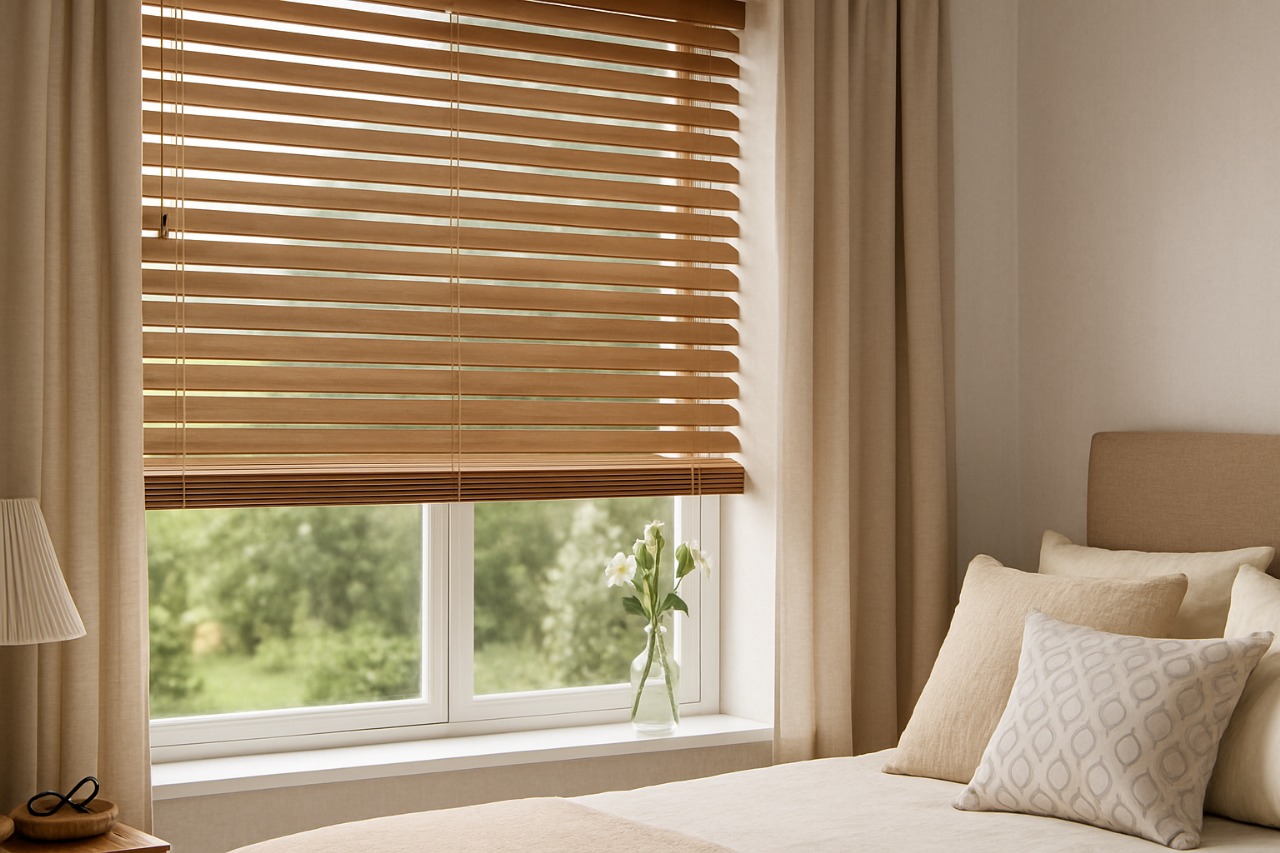
- Heavy curtains or thermal blinds reduce radiative heat loss through windows by 10–20%.
- Reflective panels behind radiators can improve heating efficiency.
- Adjust heating schedules and thermostatic valves for rooms not in use.
Ventilation and condensation
Improved airtightness increases risk of condensation without adequate ventilation. Recommended steps:
- Install trickle vents or mechanical supply/exhaust ventilation if possible.
- Regular airing (short, wide-open ventilation) helps control moisture.
Step-by-step checklist
- Diagnose windows and joints.
- Decide: repair seals or replace windows.
- Get approvals from the building manager or co-op if required.
- Replace or install windows using warm-installation methods.
- Finish reveals and external sealing.
- Adjust fittings and ensure ventilation is adequate.
Frequently Asked Questions (FAQ)
Q: Do I need permission to replace windows in a series 467 building?
A: Many co-op or building management policies require notification or approval for exterior changes (especially balconies). Internal sash replacement may be less regulated, but check local rules.
Q: Is triple glazing worth it?
A: Triple glazing gives better insulation but at higher cost and weight. For many apartments in Latvia, a quality double-glazed unit with low-E glass is the most cost-effective option.
Q: How to prevent mold after sealing windows?
A: Ensure proper ventilation—install vents or use regular airing and control humidity from cooking and drying laundry.
Q: How long does window replacement take?
A: A standard window swap typically takes 2–4 hours; with finishes, expect one to two days per opening.
Q: Can I insulate reveals myself?
A: Some finishing tasks are DIY-friendly, but warm-installation of the window joint and proper external sealing are best left to professionals.
Q: What additional costs to consider?
A: Materials (foam, tapes, silicone), finish work (reveals, sills), permits, and contractor fees. Return on investment depends on the state of existing windows and energy prices.
If you need, we can provide a free assessment of your windows and propose PVC window solutions with warm installation and warranty.
DK-Logi blog topics and categories
Useful articles about PVC windows, blinds, and practical advice for your home.

GET A FREE WINDOW COST ESTIMATE!
Leave a request, and we will contact you to arrange a free measurement and provide a full cost estimate.
Your name
Your phone number *
Your e-mail
File
Choose file
Comment (e.g., window sizes, quantity, preferred profiles)
2025 © All rights reserved