WINDOWS


Date added: 27.11.26
Tips for insulating apartments in the new Lithuanian project
Tips for insulating apartments in the new Lithuanian project
Summary
- Inspect existing windows and joints before starting work
- Prioritize sealing and upgrading the glazing units
- Choose window profiles and glass units with good thermal performance
- Proper installation is more important than costly materials alone
- Ensure controlled ventilation to avoid condensation
- Blinds and curtains add comfort and reduce heat loss
Introduction
New residential projects in Lithuania often feature modern facades and windows, but thermal bridges, imperfect seals, and insufficient insulation at openings can still be present. This guide provides practical, step-by-step recommendations for residents and property managers: how to assess the situation, choose solutions, and organize insulation work effectively.
1. Initial assessment and action plan
- Perform a visual and tactile inspection at temperatures below +5 °C: feel for cold spots, drafts, and measure temperatures near reveals.
- Check the joints between the window frame and the wall, the sill and internal reveals.
- Prioritize tasks: sealing, glass unit upgrade, balcony glazing, and ventilation adjustments.
2. The role of windows and choosing glazing
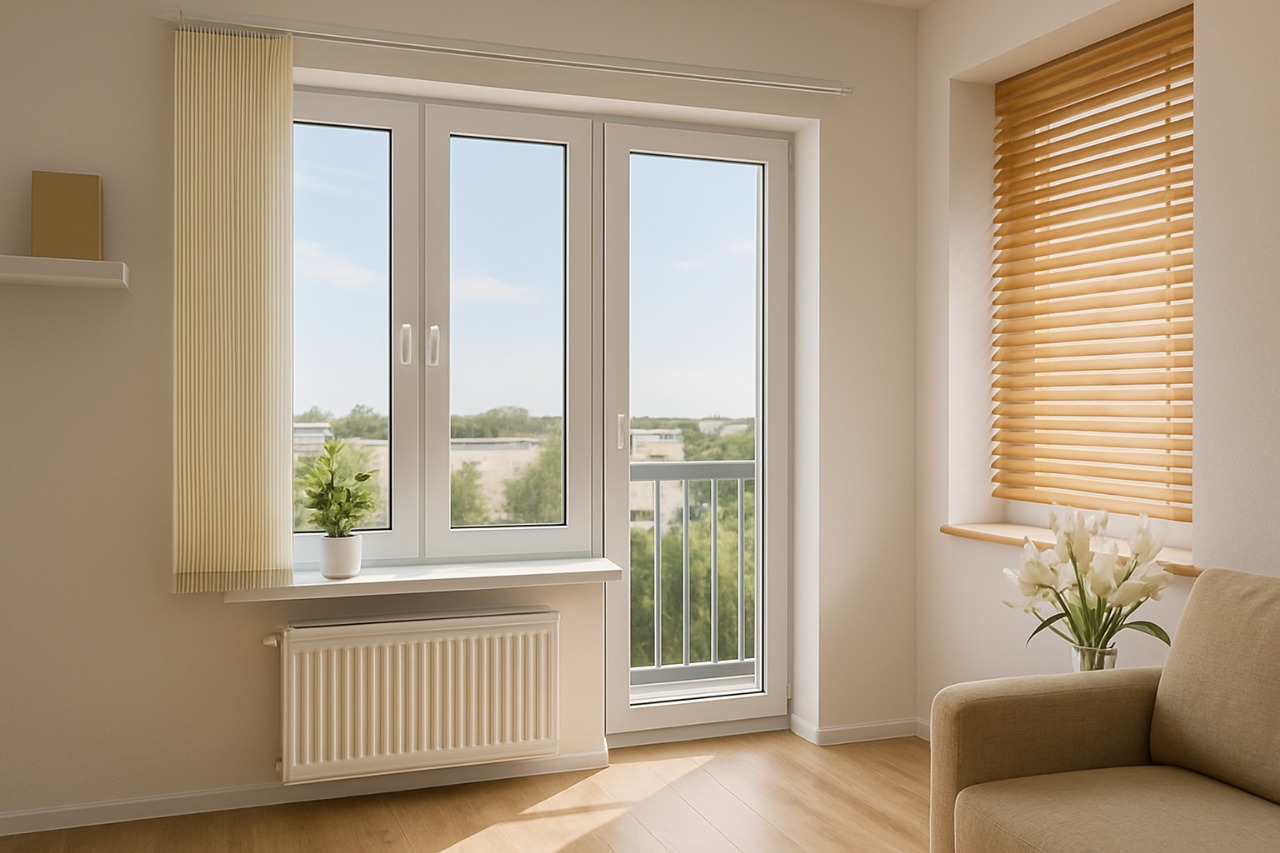
Windows are a key part of the apartment’s thermal envelope. When choosing glazing and frames consider:
- Glass unit configuration (double or triple glazing, low-e coatings, inert gas fill).
- Frame thermal performance (multi-chamber PVC profiles with proper reinforcement).
- Air and water tightness ratings and acoustic performance for city projects.
3. Sealing and joint work
- Replace old gaskets with new EPDM or high-quality synthetic seals.
- Seal the gap between the frame and wall with low-expansion mounting foam, then apply an external vapor-permeable tape and internal vapor barrier.
- Ensure the inner layer prevents moist indoor air from reaching insulation layers.
4. Installation quality
The best materials cannot compensate for poor installation.
- Hire certified installers with experience in airtight installation and proper sash adjustment.
- Control the squareness of the frame, correct sill slope, and proper waterproofing details.
5. Ventilation and condensation control
- After increasing airtightness, provide controlled ventilation: trickle vents, mechanical supply/exhaust, or regular airing.
- Window-integrated vents maintain fresh air flow while keeping windows closed and retaining heat.
6. Blinds, curtains and additional measures
- Thermal curtains and insulated roller blinds reduce heat loss through glazing and improve comfort.
- Use heavy curtains at night and lighter fabrics during the day to benefit from passive solar gains.
7. Balconies and loggias
- Glazing and insulating the balcony or loggia effectively enlarges the apartment’s thermal envelope.
- Insulate the floor, parapet, and finishing of reveals to eliminate cold spots.
8. Budgeting and priorities
- Start with sealing and adjusting existing windows.
- Upgrade glazing to triple units if the budget allows.
- Exterior wall insulation and floor/ceiling work are necessary for a comprehensive result.
Frequently Asked Questions (FAQ)
Q1: Should I replace the frame if only the glass unit is old?
If the frame remains square, undamaged and functions properly, replacing the glass unit and seals can be sufficient. Full frame replacement is justified with visible frame damage, warping, or severe hardware issues.
Q2: Which is more effective: triple glazing or external insulation?
Both have their place: triple glazing reduces window heat loss, while external wall insulation addresses losses through walls. A combined approach often yields the best energy savings.
Q3: How to seal the gap between frame and wall?
Use low-expansion mounting foam, then apply an external vapor-permeable tape and an internal vapor barrier tape to form a correct three-layer joint.
Q4: Will airtight sealing cause ventilation problems?
Sealing increases airtightness and can cause indoor air quality issues if ventilation is not addressed. Use trickle vents, supply/exhaust systems, or regular airing routines.
Q5: What type of blinds work best for insulation?
Insulated roller blinds and heavy thermal curtains are most effective. Thin aluminum slats have limited thermal benefit.
Q6: How fast will window upgrades pay off?
Payback depends on project specifics, climate and cost of work. Typical payback ranges from 5 to 12 years with noticeable heating cost reductions.
Pre-work checklist for ordering services
- Measure frame dimensions and document problem areas with photos.
- Get several quotes from certified installers.
- Check warranties for materials and installation.
If you need a professional site visit or a detailed estimate for insulation work in the new Lithuanian project, our specialists can provide on-site measurement and recommendations.
DK-Logi blog topics and categories
Useful articles about PVC windows, blinds, and practical advice for your home.


GET A FREE WINDOW COST ESTIMATE!
Leave a request, and we will contact you to arrange a free measurement and provide a full cost estimate.
Your name
Your phone number *
Your e-mail
File
Choose file
Comment (e.g., window sizes, quantity, preferred profiles)
2025 © All rights reserved