WINDOWS


Date added: 13.10.26
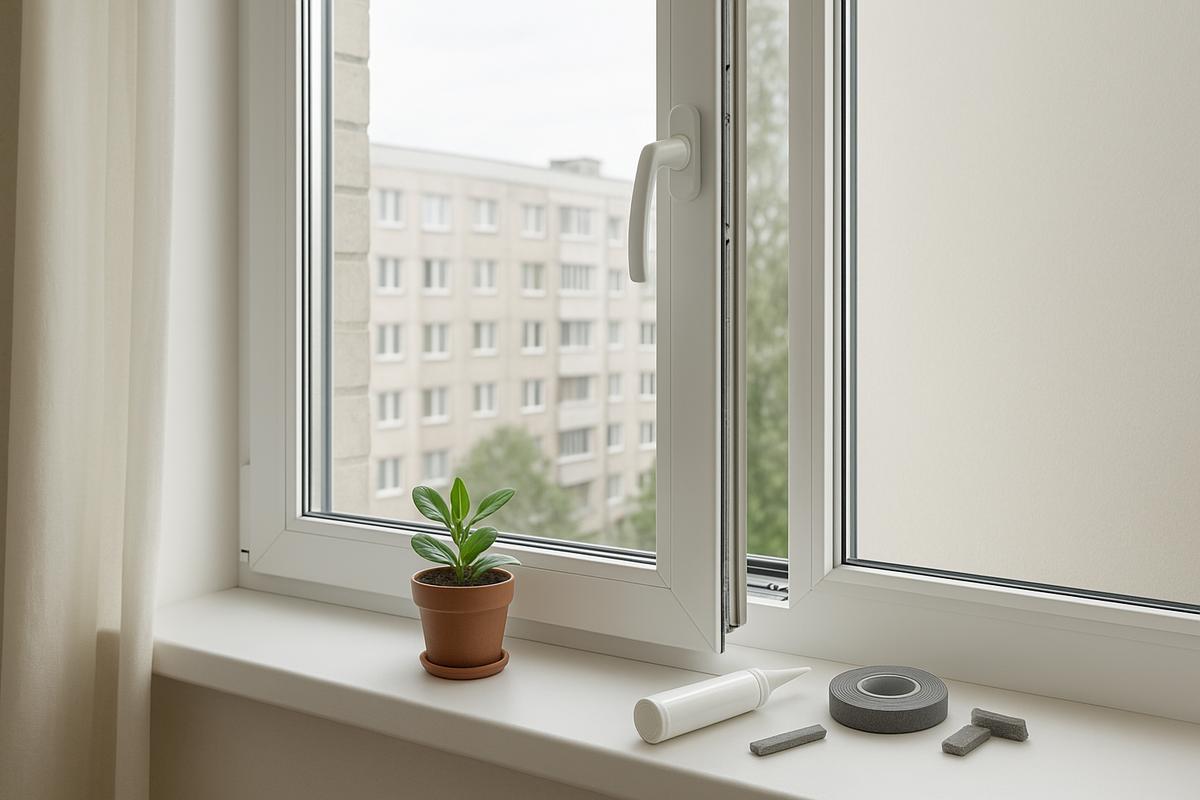
Tips for insulating apartments in the old Lithuanian project
Summary
- Start with a full inspection: windows, seams, moisture.
- Replace or upgrade windows and ensure professional installation.
- Consider external facade insulation if possible.
- Insulate balcony/loggia correctly when combining spaces.
- Provide ventilation solutions to avoid condensation.
- Follow a step-by-step plan and get several quotes.
Introduction
Apartments in old Lithuanian-type panel buildings (Soviet-era panel houses) often experience drafts, cold walls and outdated wooden windows. Proper insulation significantly reduces heating costs and improves living comfort. This guide explains what to prioritize, which materials to choose and how to avoid common mistakes when insulating such apartments.
1. Initial assessment
Carry out a careful inspection before any work:
- Detect thermal bridges at panel joints and window reveals.
- Check window frames for warping, damaged seals or rotting wood.
- Measure wall moisture and identify sources of dampness or leaks.
A correct assessment helps decide whether to prioritize window replacement, local sealing, or a broader facade insulation project.
2. Windows first: why it's recommended
Replacing windows and sealing openings first is usually the best approach. New PVC windows reduce heat loss, provide a stable indoor environment and let you better plan subsequent insulation work.
Typical sequence:
- Remove old frames and clean the opening.
- Install new PVC windows with proper foaming, vapor and water barriers.
- Fit sills and thermal-friendly flashings.
3. Important mounting details
- Use double-seal systems in modern profiles for better airtightness.
- Apply vapor barrier on the warm side and waterproofing on the exterior side.
- Leave expansion joints and fill with flexible polyurethane foam and elastic sealant.
Poor installation causes condensation in joints and mold in the reveals.
4. Wall insulation: exterior vs interior
- Exterior facade insulation is the most effective: it eliminates cold bridges and preserves interior space.
- Interior insulation may be necessary when facade work is impossible, but it reduces living area and increases the need for ventilation management.
Choose materials: mineral wool for breathable facades, XPS for base zones, and consider ventilated cladding for added protection.
5. Balcony/loggia insulation and joining
- Install proper windows and doors on the balcony first.
- Insulate floor, ceiling and side walls, and ensure a thermal break in the threshold if joining the balcony to the room.
- Check building rules and permissions before combining spaces.
6. Ventilation and moisture control
Tight PVC windows reduce air infiltration and make mechanical or controlled ventilation necessary. Options:
- Window-mounted air inlets with filters.
- Ventilation grilles with adjustable flow.
- Decentralized mechanical units or whole-house heat-recovery systems for major renovations.
Neglecting ventilation risks condensation and poor indoor air quality.
7. Budgeting and incentives
Look for local programs that support energy efficiency upgrades—some municipalities offer grants for window replacement or facade insulation. Always request multiple estimates from reputable contractors and compare warranties on profiles and glass units.
8. Step-by-step plan
- Detailed inspection and quote.
- Window replacement and sealing.
- Balcony/loggia insulation and joining if desired.
- Exterior or interior wall insulation.
- Ventilation installation or upgrade.
- Final finishing and quality check.
Frequently Asked Questions (FAQ)
Q: Should I replace windows before insulating walls?
A: Yes. Upgrading windows is a high-impact, relatively low-disruption measure that reduces heat loss immediately and clarifies the scope of further insulation work.
Q: What ventilation is needed after sealing windows?
A: At minimum, supply air vents in living rooms and kitchen exhaust. For full renovations, consider decentralized ventilation with heat recovery.
Q: Can I insulate inside to avoid facade work?
A: You can, but internal insulation can shift the dew point inward and requires careful moisture management to prevent mold.
Q: Which window seals are recommended?
A: EPDM or silicone-based seals offer good longevity and keep elasticity in changing temperatures.
Q: How long will new PVC windows last?
A: With proper installation and maintenance, 20–40 years depending on profile and glass quality.
If you provide apartment area, floor number and current window condition, we can prepare a tailored material list and approximate estimate.
DK-Logi blog topics and categories
Useful articles about PVC windows, blinds, and practical advice for your home.



GET A FREE WINDOW COST ESTIMATE!
Leave a request, and we will contact you to arrange a free measurement and provide a full cost estimate.
Your name
Your phone number *
Your e-mail
File
Choose file
Comment (e.g., window sizes, quantity, preferred profiles)
2025 © All rights reserved