WINDOWS


Date added: 30.07.26
Tips for insulating balconies with PVC windows
Tips for insulating balconies with PVC windows
Insulating a balcony fitted with PVC windows is one of the most effective ways to reduce heat loss, extend usable space, and increase year-round comfort. This guide explains practical steps, recommended materials, and common mistakes to avoid.
Quick checklist
- Inspect the glazing and frame condition.
- Seal gaps and replace seals.
- Insulate the parapet and floor.
- Install vapor and waterproof barriers.
- Ensure proper ventilation to control moisture.
1. Inspection and preparation
Start with a thorough inspection: check window operation, look for drafts around sashes, inspect seals and the quality of the installation foam or tapes. If frames are warped or glass is damaged, replace them first — otherwise insulation will be ineffective.
2. Sealing and seals
Sealing is a cost-efficient measure with immediate effect:
- Replace worn rubber seals (EPDM).
- Apply butyl or self-expanding sealing tapes (PSUL) around the frame.
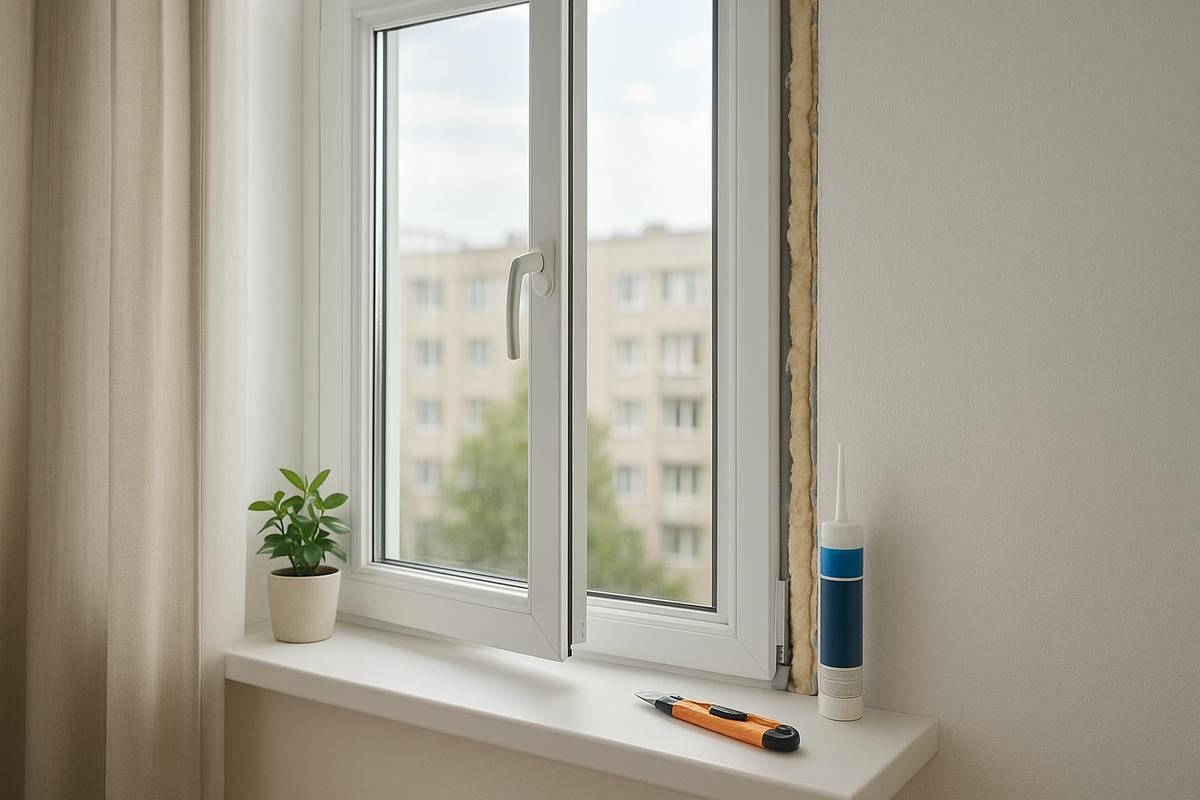
- Seal joints between the frame and the wall with appropriate vapor-permeable and airtight tapes.
- Use professional low-expansion polyurethane foam carefully and close it with tapes.
Tip: Combine high-quality sealing tapes with correct foam application. Foam left exposed absorbs moisture and deteriorates over time.
3. Upgrading glazing and profiles
If your windows have single-glazed or old units, consider upgrading to energy-efficient double or triple glazing with low-e coating and inert gas fill. Multi-chamber PVC profiles and multi-contour seals also improve thermal performance.
4. Parapet and floor insulation
Cold bridges often come from the parapet and floor:
- From outside (if accessible) ensure proper waterproofing.
- Inside: use mineral wool or PIR boards (50–100 mm) for parapet insulation, then add vapor barrier and internal cladding (gypsum board, panels).
- For floors use XPS or PIR under a screed or floating floor system to provide thermal insulation and moisture resistance.
5. Interior finishing and vapor barrier
A correct vapor barrier protects insulation from indoor moisture. Install the vapor barrier on the warm side and then fix the finishing layer. Leave small ventilation gaps if required by the insulation type.
6. Ventilation and moisture control
A fully sealed balcony without ventilation can accumulate condensate. Solutions:
- Install trickle vents in windows or simple mechanical ventilation.
- Regular airing routines and dehumidifiers if needed.
- Ensure exhaust airflow path; do not create closed, unventilated cavities.
Materials and tools — overview
- EPDM seals, butyl tapes, PSUL.
- Professional low-expansion foam.
- Mineral wool, PIR, XPS.
- Vapor and waterproof membranes and tapes.
- Fasteners, metal profiles, finishing boards.
Costs and duration
Sealing and insulation of seams are inexpensive and quick (1–2 days). Replacing glazing and insulating the floor/parapet takes longer and costs more, but delivers higher long-term savings. Full insulation project typically spans from 2 to 7 days depending on scope.
Frequently Asked Questions (FAQ)
Do I need to insulate a balcony if I already have new PVC windows?
Yes. Windows alone rarely solve all thermal issues. Heat loss commonly occurs through the parapet, floor, and imperfect joints around frames.
Which is better — mineral wool or foam boards?
Mineral wool offers better sound insulation and breathability; XPS/PIR offer superior moisture resistance and compressive strength, suitable for floors.
How to keep ventilation after sealing?
Install trickle vents or a modest mechanical ventilation solution. Avoid creating a completely airtight chamber without fresh air supply.
Can I do the insulation myself?
Many tasks are DIY-friendly (sealing, basic insulation), but complex tasks like replacing glazing, constructing parapet insulation layers, and ensuring correct vapor barriers are best done by professionals.
What are common mistakes?
- Leaving foam exposed without tape and vapor barrier.
- Forgetting ventilation after hermetic sealing.
- Wrong choice of insulation thickness or type.
If you need, we can prepare a tailored checklist for your balcony with measurements, materials list, and an approximate estimate.
DK-Logi blog topics and categories
Useful articles about PVC windows, blinds, and practical advice for your home.



GET A FREE WINDOW COST ESTIMATE!
Leave a request, and we will contact you to arrange a free measurement and provide a full cost estimate.
Your name
Your phone number *
Your e-mail
File
Choose file
Comment (e.g., window sizes, quantity, preferred profiles)

2025 © All rights reserved