WINDOWS


Date added: 03.08.26
Tips for insulating corner apartments
Why corner apartments are colder
Corner apartments have two exterior walls instead of one, often a larger window area, and increased heat loss through corners and joints. Without a proper insulation strategy you face drafts, cold window reveals and higher indoor humidity.
Key principles of effective insulation
- Identify and eliminate thermal bridges at corners, window joints and cracks.
- Improve airtightness of windows and doors while maintaining controlled ventilation.
- Insulate both exterior and interior surfaces considering the building structure.
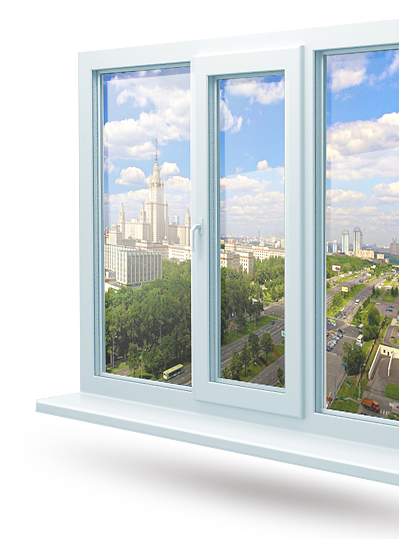
The role of PVC windows in insulation
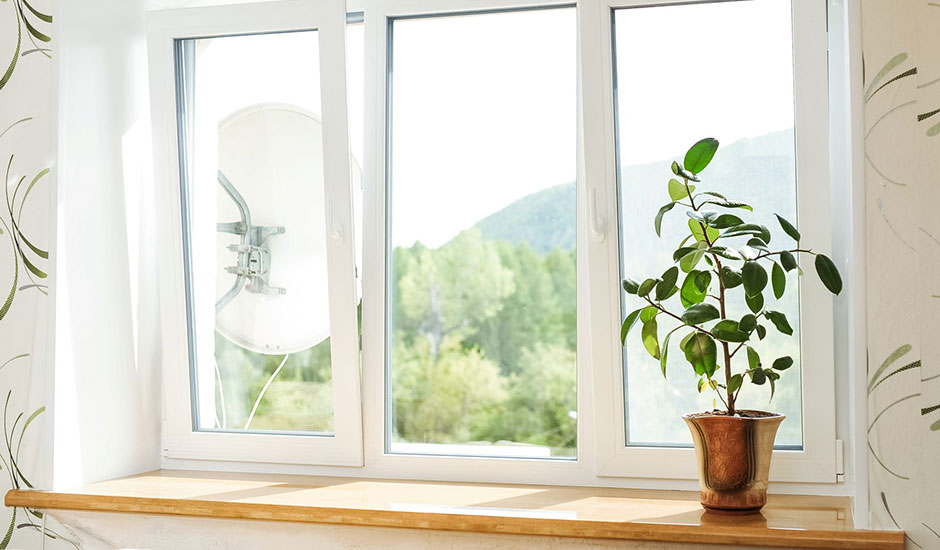
Windows are a critical element. A properly selected insulating glass unit and profile reduce heat loss, lower condensation and increase comfort.
What to look for when choosing windows
- Glass unit configuration: two- or three-chamber insulated glass units with low-emissivity coating are recommended for corner apartments.
- Profile thermal performance: choose profiles with improved insulation properties.
- Quality of seals: double soft gaskets and correct installation ensure airtightness.
- Correct installation: foam sealing, vapor and waterproof membranes, neat reveals and correct wall junctions.
Tip: order an on-site measurement and ask for thermal performance data. Poor installation will negate high-quality glass unit benefits.
Insulating walls and corners
- External insulation is ideal when permitted by building regulations. Mineral wool or EPS with a thermal plaster can significantly reduce heat loss.
- Internal insulation is an option if exterior works are not allowed; use vapour-managing systems and thin thermal boards to avoid condensation issues.
- Pay special attention to corners: cold seams often appear at wall junctions. Apply reinforcing tape and low-conductivity sealants at joints.
Balconies and loggias
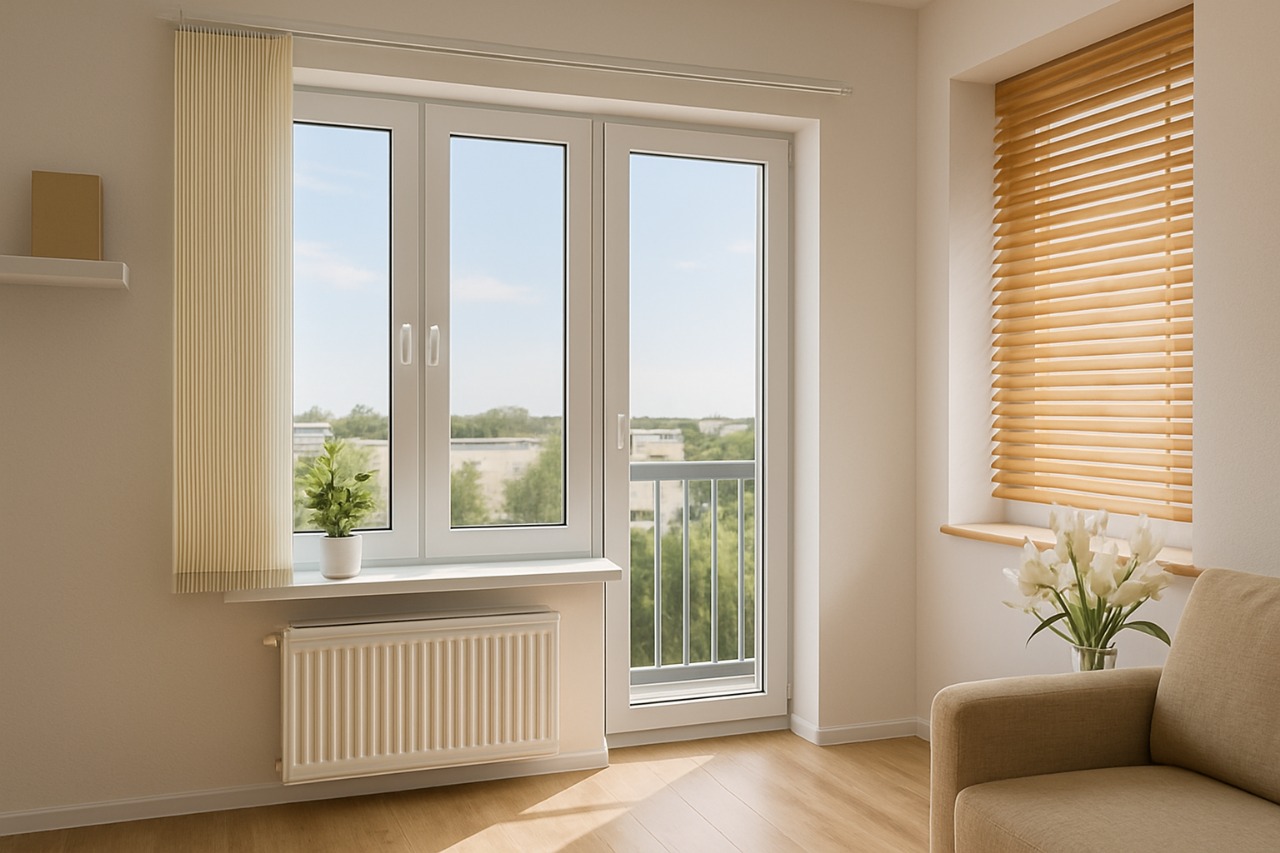
- Glaze balconies with energy-efficient glass units.
- Insulate the parapet and the junction with the wall so the balcony does not become a cold pocket.
- Consider thermally integrating the loggia into the room after professional assessment.
Ventilation and moisture control
Insulation without ventilation control leads to damp and mold. Consider installing supply-exhaust ventilation with heat recovery, or at least ensure adjustable kitchen and bathroom exhausts.
- Ventilate regularly: short cross-ventilations of 5–10 minutes are more effective than long airing with windows open.
- Use moisture-resistant finishes on reveals and walls in corner areas.
Step-by-step plan for apartment owners
- Assess current state: thermal imaging or manual inspection to find cold spots.
- Prioritize: windows and sealing first, then wall and corner insulation.
- Choose windows: energy-efficient IGUs, insulated profiles, professional installation.
- Insulate reveals and junctions: vapor and waterproofing, neat finishing.
- Organize ventilation.
- Maintenance: check seals, adjust hardware, replace gaskets when worn.
Savings and payback example
Replacing old windows with modern PVC units and improving sealings can reduce heat loss by 10–25% depending on the building condition. Payback ranges from 3 to 8 years depending on energy prices and scope of work.
FAQ
Do corner apartments always need more insulation
Generally yes, because they have more exposed surface area and more potential thermal bridges.
Is interior insulation acceptable if exterior is impossible
Yes, but it requires careful design with vapor control layers to avoid condensation inside the wall.
Which glazing is recommended
Two- or three-chamber insulated glass units with argon fill and low-e coatings are recommended for colder, corner exposures.
How to maintain insulated windows
Regularly clear drainage holes, lubricate hardware, check and replace seals when necessary.
Conclusion
Insulating a corner apartment is a holistic task: choose high-quality PVC windows, ensure professional installation, treat corners and junctions, and maintain proper ventilation. A staged, professional approach delivers comfort and energy savings.
DK-Logi blog topics and categories
Useful articles about PVC windows, blinds, and practical advice for your home.

GET A FREE WINDOW COST ESTIMATE!
Leave a request, and we will contact you to arrange a free measurement and provide a full cost estimate.
Your name
Your phone number *
Your e-mail
File
Choose file
Comment (e.g., window sizes, quantity, preferred profiles)
2025 © All rights reserved