WINDOWS


Date added: 16.10.26
Tips for insulating small-family houses
Tips for insulating small-family houses
Insulating a small apartment or small-family house is one of the most cost-effective ways to reduce heating bills and improve living comfort. In Latvia's climate, even modest upgrades to windows, seals and insulation yield noticeable benefits. This guide explains how to assess current heat loss, prioritize measures, choose materials, and avoid common mistakes.
1. Assess the current condition
- Do a visual inspection: gaps around frames, drafts, fogging on glass, cold spots near walls and floors.
- Check seals on windows and doors for cracks or deformation.
- Measure temperature differences near windows and in the room center — a 2–3 °C difference indicates significant loss.
- Evaluate ventilation: excess humidity or mold signals the need for controlled ventilation when improving insulation.
2. Start with windows and door frames
Windows and doors are often the main heat loss points in small apartments.
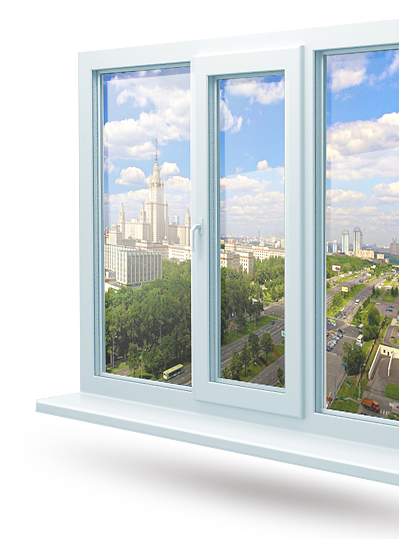
- Upgrade glazing. Replace single or old double glazing with modern energy-efficient insulated glazing (Low‑E, argon fill). For many apartments a double or triple low‑E glazed unit is optimal.
- PVC profiles. A multi‑chamber PVC profile (3–5 chambers) improves thermal performance.
- Seals and gaskets. Replace worn gaskets with EPDM or silicone seals and ensure proper sash compression.
- Window reveal treatment. Insulating and finishing window reveals reduces condensation.
3. Sealing and airtightness
- Foam and fillers. Use low-expansion polyurethane foam to fill gaps between the frame and wall, then trim and finish.
- Self-adhesive sealing tapes. Quick solution for perimetral leaks around sashes.
- Door adjustments. Fit door sweeps or brushes to eliminate drafts under doors.
4. Internal insulation — when to choose it
Internal insulation is often the practical option in apartment buildings where exterior work is limited.
- Insulation panels. Mineral wool or rigid insulation panels combined with vapor barriers and finishing layers.
- Warm window sills and reveals. Install insulated window sills and finish reveals to reduce thermal bridges.
- Floor insulation. Use insulated underlays, floating floors, or cork to improve comfort on cold subfloors.
Note: internal insulation increases condensation risk if ventilation is inadequate.
5. Exterior insulation and façade solutions
If exterior work is possible, façade insulation offers the best long-term results.
- Mineral wool vs EPS. Mineral wool breathes better; EPS (polystyrene) is cheaper and lightweight.
- Ventilated façades provide durability and moisture control.
- Balconies and loggias. Insulating and sealing a balcony creates a thermal buffer zone for the apartment.
6. Ceilings and floors
- Insulate ceilings if the attic is cold: add insulation between joists and ensure vapor control.
- Insulate floors above unheated basements or stairwells to eliminate cold floors.
7. Ventilation and humidity control
- After insulation, ensure effective ventilation: kitchen and bathroom exhausts, periodic airing.
- Consider a heat recovery ventilator (HRV) to retain heat while providing fresh air — an investment that improves comfort and efficiency.
8. Action plan and cost estimate
- Diagnosis — identify primary heat loss sources.
- Quick wins: seal gaps, add draft excluders, insulate reveals.
- Medium-term: upgrade glazing and frames, insulate floors.
- Long-term: façade insulation, ventilation upgrades.
Costs vary: sealing and small repairs are affordable; window replacement is a medium cost; façade work is the largest investment but yields highest energy savings.
Frequently Asked Questions
Q: Is replacing windows enough to insulate my apartment?
A: New windows significantly reduce heat loss, but walls, floors and ventilation also matter. A combined approach delivers best results.
Q: Which is cheaper: internal or external insulation?
A: Internal insulation is often cheaper initially, but external insulation is more effective in the long term because it protects the building structure.
Q: How to avoid mold after insulation?
A: Use proper vapor barriers, ensure correct installation and maintain adequate ventilation. If necessary, add exhaust fans in wet rooms.
Q: What type of PVC windows suit Latvia’s climate?
A: A 3–5 chamber PVC profile combined with a double or triple low‑E glazing unit filled with argon is a reliable choice.
Q: Do I need permits for window replacement or façade work?
A: Internal changes usually do not require permission. Exterior façade work in apartment buildings often requires consent from the homeowners association or building management.
Q: How fast do insulation investments pay off?
A: Payback depends on energy prices and the scope of work: simple measures may pay back in 2–5 years, façade insulation in 6–12 years.
Measuring results
- Compare heating bills before and after upgrades.
- Use thermal imaging to detect remaining cold bridges.
- Monitor humidity and look for signs of condensation.
A systematic approach — diagnostics, priority sealing, window upgrades, then larger insulation works — helps get the best value for money when insulating a small apartment.
DK-Logi blog topics and categories
Useful articles about PVC windows, blinds, and practical advice for your home.

GET A FREE WINDOW COST ESTIMATE!
Leave a request, and we will contact you to arrange a free measurement and provide a full cost estimate.
Your name
Your phone number *
Your e-mail
File
Choose file
Comment (e.g., window sizes, quantity, preferred profiles)
2025 © All rights reserved