WINDOWS


Date added: 01.10.26
Tips for insulating windows in series 467
Introduction
Apartments of series 467 commonly have heat loss issues through windows: worn seals, loose sashes, single-pane glazing, and particularities of panel construction. This guide provides practical tips for insulating windows in series 467: inspection, proven methods, materials, and common mistakes to avoid.
What to know about series 467
- Series 467 refers to typical panel apartment blocks with standard window openings and sills.
- You may find deep reveals, older metal or timber frames, or existing PVC frames with single glazing.
- Due to construction tolerances in panel buildings, consider wall deformations and uneven openings when insulating.
Preparation for insulation
-
Inspection and diagnosis
- Check seals, sashes, and glazing for drafts and condensation.
- Open the window to detect play or binding in hardware.
-
Cleaning and drying
- Remove old sealant, dirt and dust from the mounting gap and surrounds.
- Surfaces must be dry before applying materials.
-
Tools and materials
- Screwdrivers, utility knife, spatula, sealant gun.
- Sealing strips (PVC/EPDM), PU foam, silicone sealant, possible secondary glazing.
Effective insulation methods
1. Replace or restore seals
- EPDM seals are durable and remain elastic in cold climates.
- Replacing seals is one of the cheapest and most effective ways to stop drafts.
2. Adjust window hardware
- Poor sash compression causes drafts. Adjust locking points to improve sash pressure.
- After adjustment, check the evenness of the seal around the perimeter.
3. Install secondary glazing
- Adding internal or external secondary glazing reduces heat loss and noise significantly.
- Choose profiles and fixings suited to sill depth and opening type.
4. Insulate the mounting gap
- Use polyurethane foam for large gaps and sealing tape/hermetic finish for neatness.
- Outside: vapor-permeable tape; inside: vapor barrier tape.
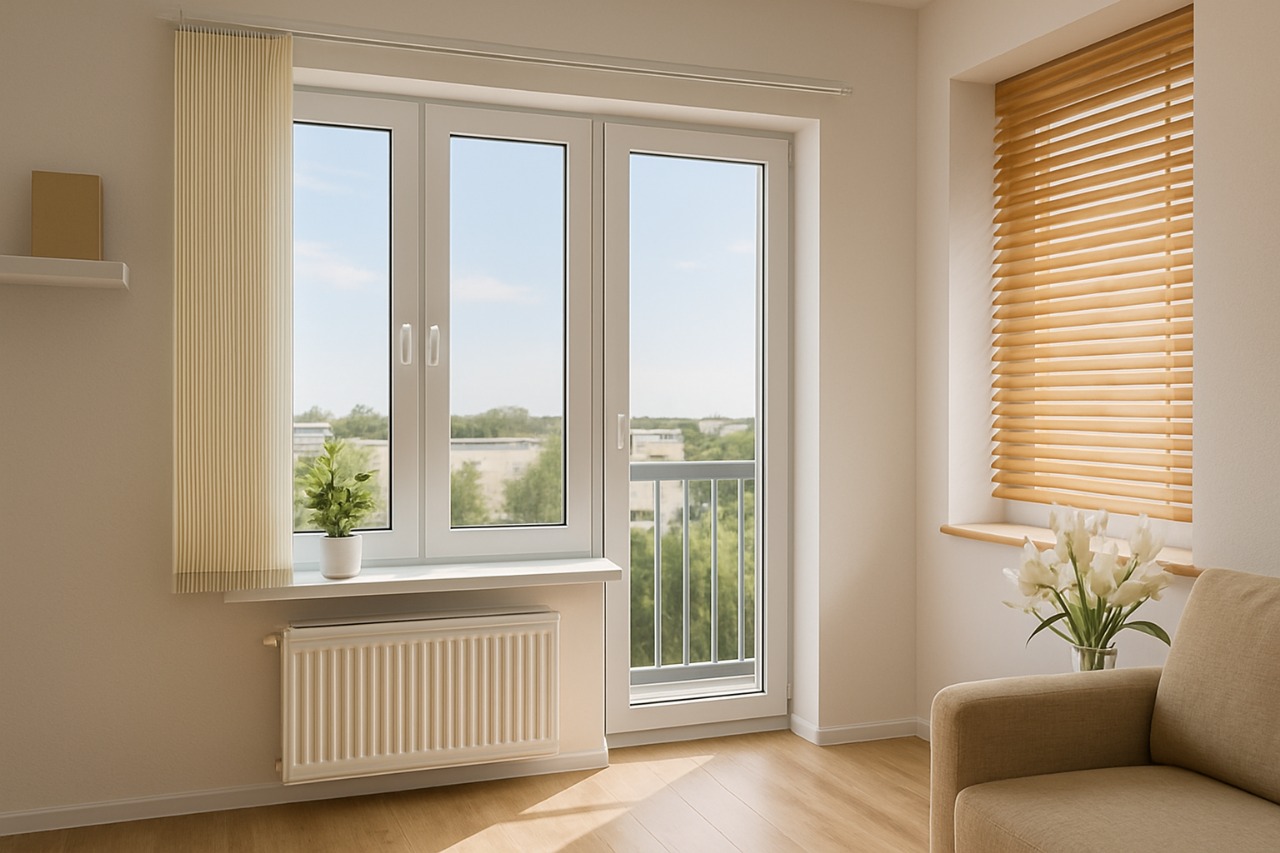
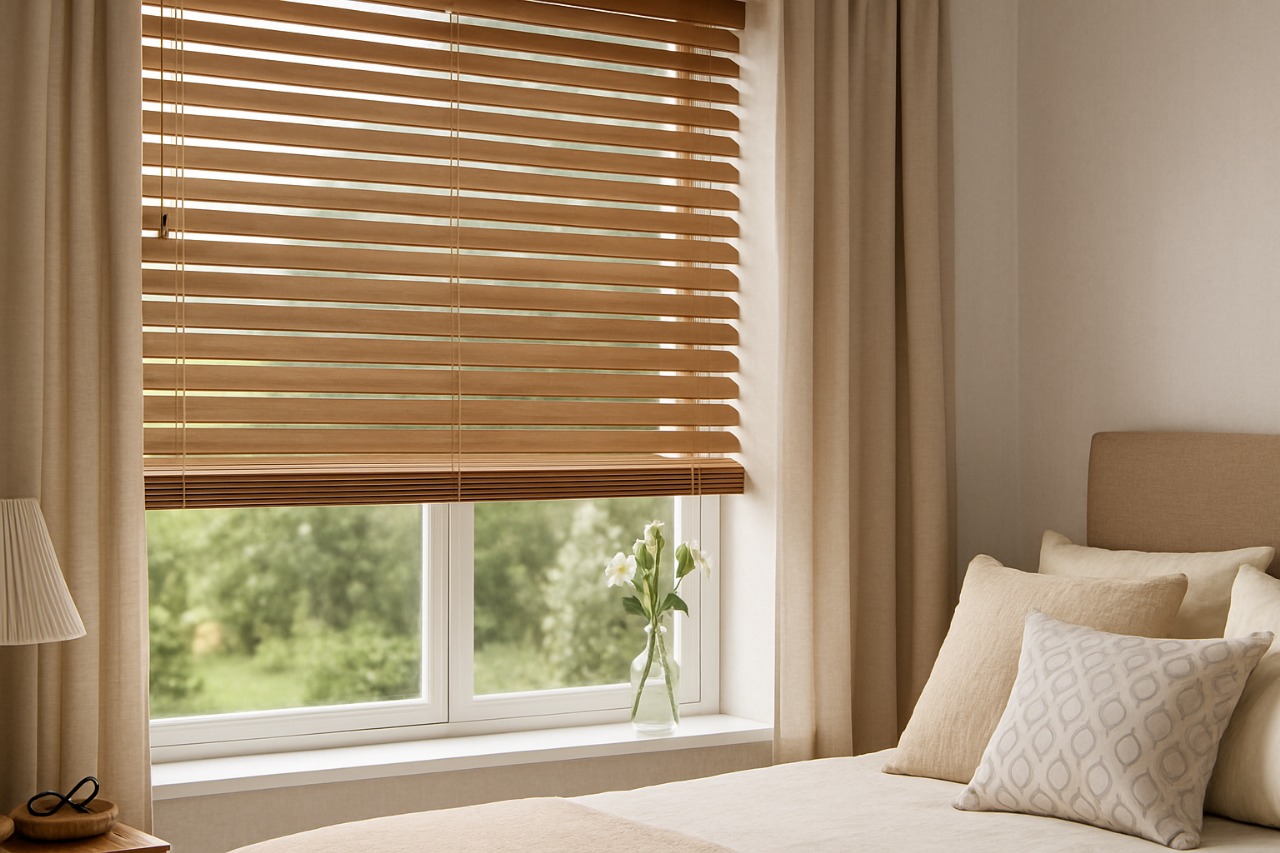
5. Interior solutions: curtains and blinds
- Heavy thermal curtains or thick roller blinds reduce nighttime heat loss.
- Roman blinds and dense slatted blinds create an insulating air layer near the glass.
Practical tips for series 467
- Fix cracked reveals before insulating; otherwise new seals won't solve leaks.
- Use mounting wedges and shims to compensate for uneven openings.
- Trim and finish PU foam properly; unprotected foam degrades from UV and moisture.
- For cold balconies, consider replacing cold glazing with a warm insulated unit.
Frequently Asked Questions (FAQ)
Can I insulate windows myself or should I hire a pro?
Replacing seals and adjusting hardware is often doable for a competent DIYer. Replacing glazing, installing secondary glazing, or correcting structural deformations is best left to professionals.
What seals work best in Latvia's climate?
High-quality EPDM seals and silicone-based seals rated for low temperatures are recommended because they retain elasticity in freezing conditions.
Will thermal curtains replace the need for sealing?
Thermal curtains reduce heat loss but do not stop drafts or condensation. They are a complementary measure, not a substitute for proper sealing.
How much does insulating a window cost?
Costs vary: seal replacement is inexpensive; secondary glazing and structural repairs are more costly. A site assessment gives an accurate estimate.
Do I need ventilation after sealing windows tightly?
Yes. Once windows are tightly sealed, ensure adequate ventilation to prevent moisture buildup and mold. Consider controlled ventilation or regular airing.
Conclusion
Insulating windows in series 467 combines careful diagnosis, seal replacement, hardware adjustment, and, where needed, secondary glazing and proper mounting gap treatment. Combine technical improvements with interior measures like thermal curtains, and maintain ventilation. When in doubt, get a professional evaluation to ensure lasting results.
DK-Logi blog topics and categories
Useful articles about PVC windows, blinds, and practical advice for your home.

GET A FREE WINDOW COST ESTIMATE!
Leave a request, and we will contact you to arrange a free measurement and provide a full cost estimate.
Your name
Your phone number *
Your e-mail
File
Choose file
Comment (e.g., window sizes, quantity, preferred profiles)
2025 © All rights reserved