WINDOWS


Date added: 02.11.26
Tips for insulating windows in small-family houses
Why insulating windows matters in small-family houses
Insulating windows is one of the most cost-effective ways to reduce heat loss, lower heating bills and make a home more comfortable. Old frames, gaps and poor seals cause drafts, condensation on reveals and cold spots near windows.
Quick window condition check
- Inspect for visible gaps around the sash and frame.
- Use a paper test: slide a sheet into the closed sash — if it pulls out easily, sealing is needed.
- Check the rubber seal: cracks, flattening and mold signs indicate replacement.
Main insulation methods
- Sealing with weatherstripping and foam for large gaps.
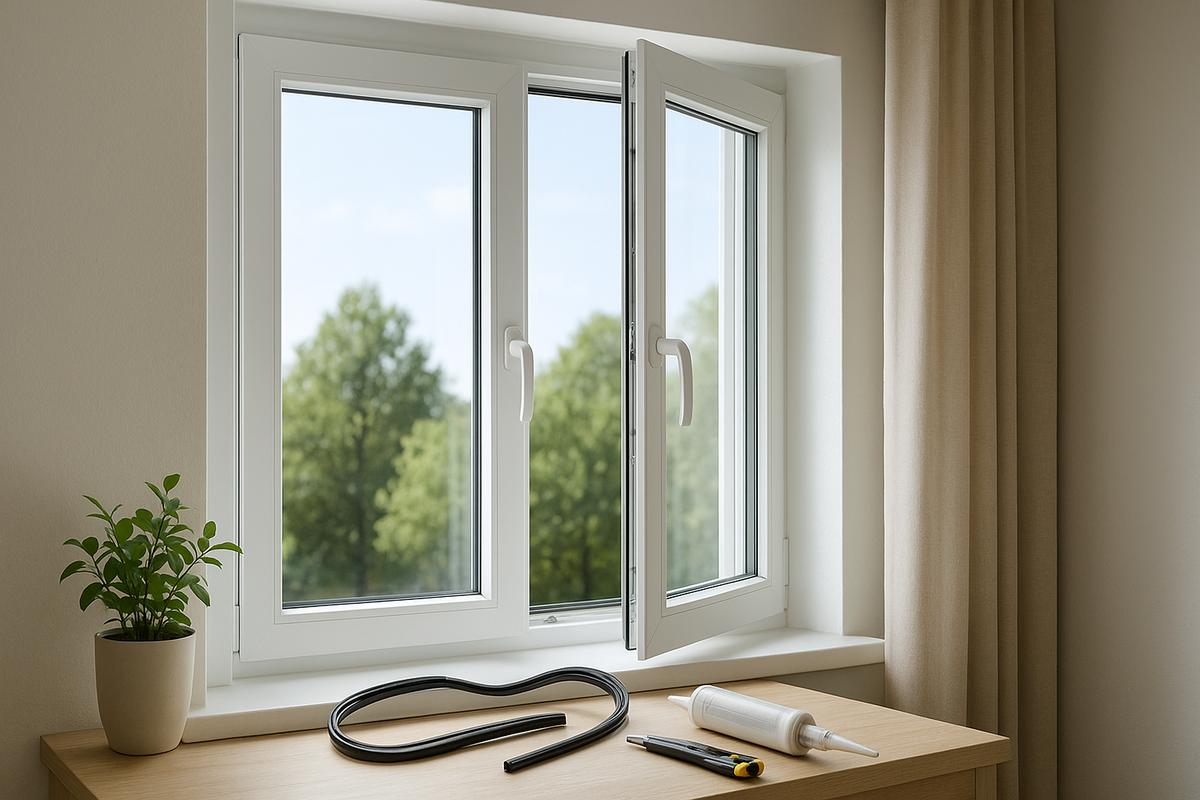
- Replacing rubber gaskets (seal strips) — inexpensive and effective.
- Installing secondary glazing or an internal sash — significant improvement for single-pane or old windows.
- Low-cost insulating film on the glass — temporary winter solution.
- Insulating reveals and the sill — an often-overlooked measure that improves results.
Step-by-step DIY guide
- Clean frame and seals from dirt and dust with a soft brush and mild cleaner.
- Measure gaps and install a compatible new seal profile.
- Use expanding foam for gaps over 5 mm, trim cured foam and cover with a trim strip.
- For secondary glazing, get accurate measurements and consider professional installation to maintain ventilation.
Choosing the right glazing unit
- Single-glazed units are cheapest but less efficient.
- Double-glazed units filled with argon are ideal for colder climates.
- Low-E glass reduces infrared heat loss and improves thermal performance.
Ventilation matters
Complete sealing without airflow can cause moisture build-up and mold. Install trickle vents or ventilators, or practice regular controlled airing.
Costs and payback
- Simple sealing and gasket replacement costs are low and can be done in 1–2 hours per window.
- Replacing glazing or adding secondary glazing is pricier but can yield payback in 2–5 years depending on usage and energy prices.
FAQ — common questions
How do I know if a window needs insulation?
If you feel cold near the window, see persistent condensation, or notice mold on the reveals, the window likely loses heat.
Can I replace the gasket myself?
Yes, many PVC windows allow gasket replacement by a careful homeowner. Accurate measurement and compatible profile selection are key.
How to work safely with foam?
Don’t overfill joints — foam expands. Protect glass with tape and allow full curing before trimming.
Do I need a pro for replacing glazing?
Professional installation is recommended to ensure airtightness, warranty compliance and correct ventilation setup.
What to use for insulating reveals?
Mineral wool with vapor barrier or foam boards (extruded polystyrene) covered with plasterboard or plastic panels depending on moisture conditions.
Pro tip: photograph windows and take precise measurements before buying materials to avoid mistakes and extra costs.
Conclusion
Insulating windows in a small-family house combines simple homeowner tasks with investment options. Weatherstripping, seal replacement and quality glazing significantly reduce heat loss. Always balance airtightness with sufficient ventilation to maintain indoor air quality and avoid moisture problems.
DK-Logi blog topics and categories
Useful articles about PVC windows, blinds, and practical advice for your home.




GET A FREE WINDOW COST ESTIMATE!
Leave a request, and we will contact you to arrange a free measurement and provide a full cost estimate.
Your name
Your phone number *
Your e-mail
File
Choose file
Comment (e.g., window sizes, quantity, preferred profiles)

2025 © All rights reserved