WINDOWS


Date added: 12.07.26
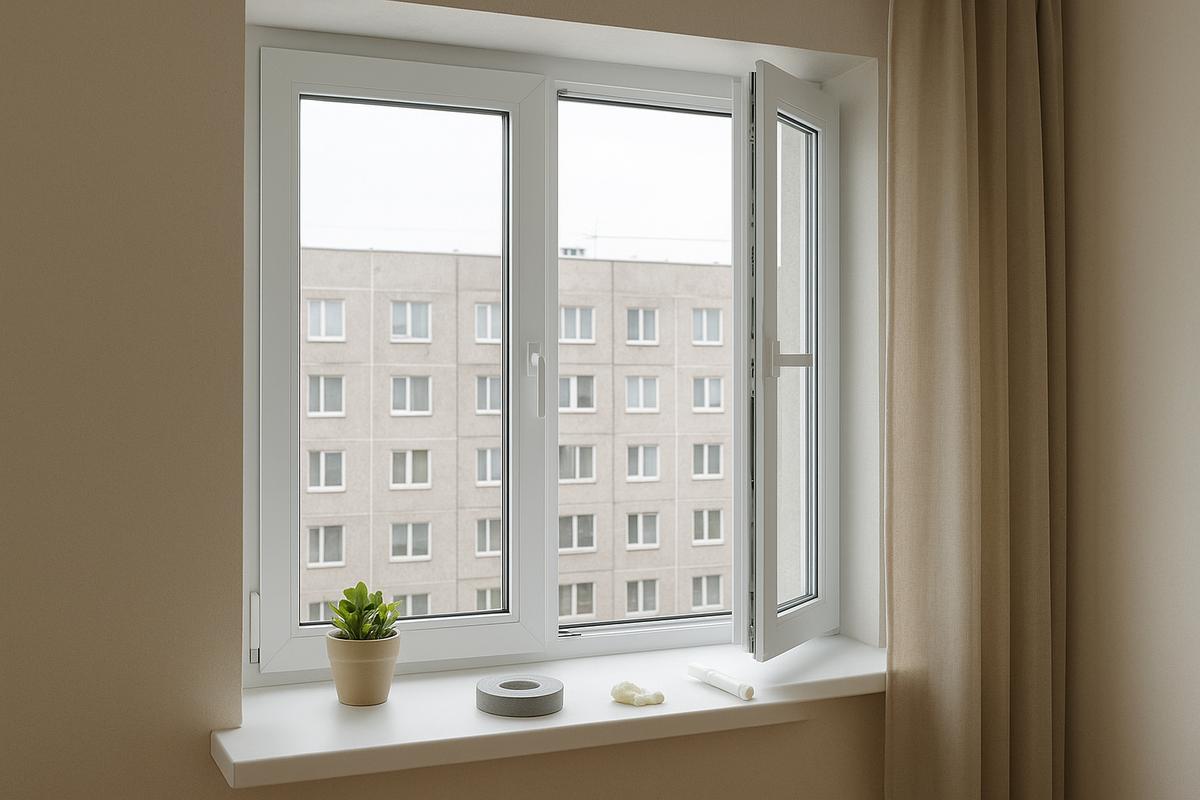
Tips for replacing windows in houses of series 602
Introduction
Series 602 panel apartment buildings are a common Soviet‑era housing type. Windows in these buildings often need replacement due to frame deterioration, irregular openings and poor thermal performance. This guide explains how to prepare for window replacement, choose profiles and glazing, address specifics of series 602 structures and avoid common installation mistakes.
Typical features of 602 house openings
- Non‑standard sizes and uneven joints between panels.
- Narrow window niches or a continuous panel under the sill.
- Possible offsets where the window meets a balcony or loggia.
- Old frames may be fastened directly to the panel without removable anchors, complicating removal.
Inspect the slopes, the external slab and the reinforcement near the opening before starting.
Preparation and measurements
- Arrange an on‑site measurement by a professional fitter. For series 602, measure height, width and depth precisely.
- Note any panel displacement and irregularities — include installation tolerances in the order.
- Determine if there are lintels, ventilation channels or structural peculiarities near the opening.
- Check whether building management or local authorities require approvals for window replacement, especially if the facade appearance will change.
Choosing profile and glazing
- Profile: 5–6 chamber PVC profile with sufficient reinforcement; choose depth to fit the selected glazing.
- Glazing: double or triple glazed units with argon fill and Low‑E coating for improved thermal and acoustic performance.
- Hardware: micro‑ventilation, opening restrictors and durable hinges for heavy sashes.
- Sills and drip edges: water‑resistant materials with correct outward slope.
Tip: For cold apartments or north‑facing windows, opt for a warmer glazing unit and higher insulation profile.
Installation highlights
- Removal of old frame: carefully cut old foam, remove fasteners and protect the external panel surface.
- Fixing method: anchors into the concrete slab or mounting plates. In series 602 it's common to use a combination of anchors and foam with breathable tapes.
- Sealing the joint: a three‑layer approach — interior vapor barrier, insulating foam, external waterproofing tape. This reduces thermal bridges and moisture ingress.
- Leveling: check vertical and horizontal alignment with temporary wedges before foam cures.
Do not skimp on quality mounting foam and tapes — they are critical for long‑term performance.
Ventilation and condensation
Tight PVC windows reduce natural air infiltration. To avoid dampness:
- Install micro‑ventilation in the frame or air inlet valves.
- Maintain regular airing, particularly in winter.
- Monitor indoor humidity and eliminate moisture sources.
Facade appearance and approvals
Window replacement should respect the building’s exterior unless approvals are obtained. In protected or historical areas, check local regulations and TSM management rules.
Choosing a contractor and warranties
- Check installers’ portfolios, customer reviews and written guarantees for both product and installation.
- Request certificates for the profile and IGUs, including CE markings and declarations of conformity.
- Contract should include scope, timelines and warranty terms.
Aftercare
- Clean frames with a soft cloth and lubricate hardware 1–2 times per year.
- Inspect seals and replace worn gaskets promptly.
- If drafts appear, contact the installer under warranty.
FAQ — quick answers
- Do I need permission to replace windows? Usually not, but changes affecting the façade or in protected zones require approval.
- Double or triple glazing? Triple glazing is preferable for very cold apartments or exposed orientations.
- How to prevent fogging? Proper ventilation and correctly insulated joints.
- What is the cost for series 602 windows? Prices depend on size and specification; request a site measurement and quote.
Conclusion
Replacing windows in series 602 buildings needs careful preparation: accurate measuring, selecting appropriate profiles and glazing, and professional installation that ensures well‑insulated joints and adequate ventilation. A trustworthy supplier and a clear contract are essential for durable, energy‑efficient results.
DK-Logi blog topics and categories
Useful articles about PVC windows, blinds, and practical advice for your home.

GET A FREE WINDOW COST ESTIMATE!
Leave a request, and we will contact you to arrange a free measurement and provide a full cost estimate.
Your name
Your phone number *
Your e-mail
File
Choose file
Comment (e.g., window sizes, quantity, preferred profiles)
2025 © All rights reserved