WINDOWS


Date added: 01.11.26
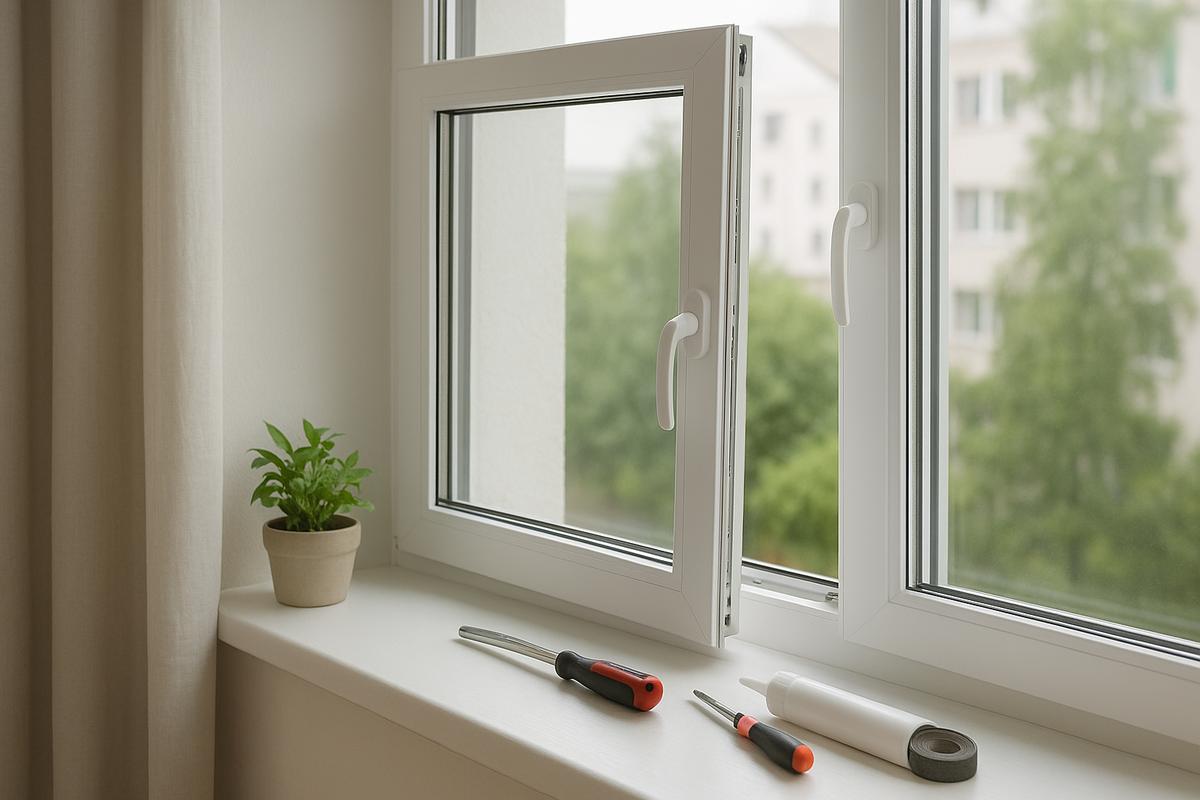
Tips for replacing windows in the new Lithuanian project
Tips for replacing windows in the new Lithuanian project
Replacing windows in a new Lithuanian project requires attention to climate considerations, building rules and installation quality. This guide covers practical steps: choosing profiles and glazing, measuring, installation details and final acceptance.
Why a proper approach matters
- Lithuania's cold seasons and humidity make thermal and moisture protection essential.
- Poor installation leads to drafts, mold and higher heating bills.
- New projects often have architectural or facade requirements — color and mounting constraints should be checked in advance.
Step 1. Project preparation and checks
- Verify building type and façade regulations in the project documentation: allowable profiles, colors and mounting offsets.
- Coordinate schedule and access with the developer or building management to ensure equipment and debris removal are arranged.
- Consult a ventilation engineer: energy-efficient windows often require planned ventilation to maintain indoor air quality.
Step 2. Window selection: profile and glazing units
- PVC profile: choose at least a five-chamber profile with good thermal performance. Reinforced profiles are common in multi-storey buildings.
- Insulating glass units: double-glazed units with argon fill or low-e coating are standard. For noise reduction, use asymmetric glass thickness and a wider cavity.
- Opening type: tilt-and-turn is convenient for ventilation; fixed or sliding units may suit balconies or loggias.
Step 3. Measurements and tolerances
- Measurements should record width, height, reveal depth and sill position. Use a certified measurer or experienced fitter.
- Allow a construction gap (usually 10–20 mm around the frame) for foam, tapes and expansion.
- Confirm floor level and façade marks — finishing layers can affect final size.
Step 4. Installation: technology and nuances
- Drainage: the profile and sub-sill must ensure proper water runoff and condensation removal.
- Anchoring: anchors depend on wall material (brick, concrete, aerated blocks). Incorrect fixings are a common cause of misalignment.
- Insulation and vapor control: use a vapor-permeable external membrane and an internal vapor barrier tape. Seal joints with PU foam and sealing tapes.
- Sill, drip edge and reveals: match materials to the façade finish and waterproofing requirements.
Step 5. Acceptance and quality check
- Test seal tightness, hardware operation, absence of play and micro-ventilation settings.
- Inspect the perimeter joint for an even foam layer and proper sealing tapes and drainage details.
- If needed, perform thermal imaging to identify thermal bridges or moisture spots.
Practical tips for Lithuanian projects
- Consider wind loads and humidity — select profiles and glazing with adequate structural and thermal properties.
- For units facing busy streets prioritize acoustic glazing.
- New projects may limit frame colors — confirm allowed RAL shades early.
- Contract terms should include timelines, warranty and defect remediation procedures.
Cost and timeline estimates
- Manufacturing of custom profiles and IGUs typically takes 2–6 weeks depending on specifications.
- Installation for a single apartment usually takes 1–3 working days depending on scope.
- Budget for old window removal, debris removal, facade work and internal finishing.
Pre-order checklist
- Confirmed sizes and tolerances.
- Facade and color requirements clarified.
- Wall material and anchoring details known.
- Contract with warranty, schedule and access conditions.
FAQ — Frequently asked questions
Q: Do I need permission to replace windows in a new Lithuanian project?
A: In most cases internal window replacement does not require special permission, but external appearance changes (frame color, visible trims) often need approval from the developer or building management.
Q: What temperature and humidity can PU foam tolerate?
A: Modern installation foams work down to about -10°C, but dry and positive temperatures are preferable for reliable curing.
Q: Can the sill be kept when replacing windows?
A: Sometimes yes, but for proper waterproofing and insulation the sill is often modified or replaced.
Q: How long do PVC profiles last?
A: With correct installation and maintenance, PVC profiles can last 30+ years; manufacturer warranties typically cover 5–10 years for profiles and hardware.
Q: Is a mosquito screen necessary in Lithuania?
A: While summers are moderate, screens are useful to allow ventilation without insects.
If desired, we can prepare a measuring checklist and a draft installation contract tailored to Lithuanian project rules.
DK-Logi blog topics and categories
Useful articles about PVC windows, blinds, and practical advice for your home.

GET A FREE WINDOW COST ESTIMATE!
Leave a request, and we will contact you to arrange a free measurement and provide a full cost estimate.
Your name
Your phone number *
Your e-mail
File
Choose file
Comment (e.g., window sizes, quantity, preferred profiles)
2025 © All rights reserved