WINDOWS


Date added: 17.06.26
Top trends in blind design
Top trends in blind design
Blinds are no longer just functional fittings — they shape interior atmosphere. This article outlines the main trends in blind design for 2025–2026: materials, styles, smart control, sustainability and practical tips for selection and maintenance.
Key trends
-
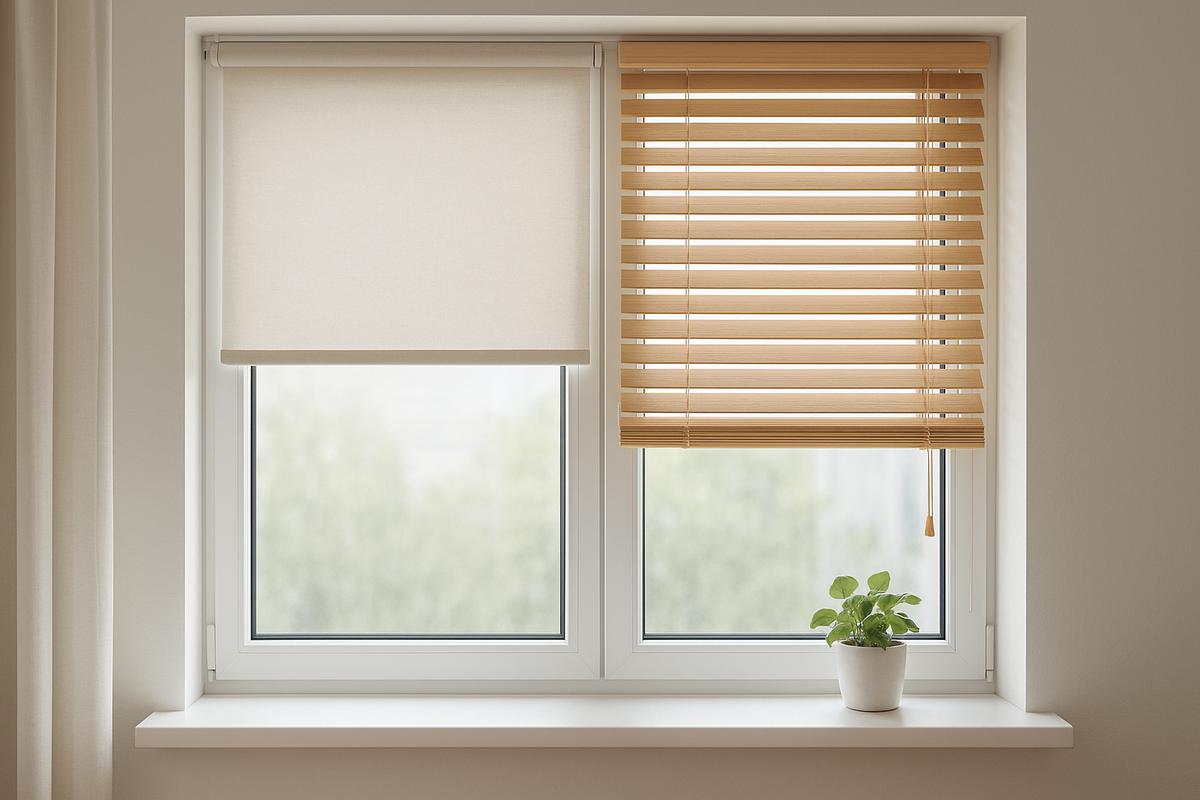
Natural and textured materials. Bamboo, linen, cotton and wooden slats bring warmth and an eco-friendly feel. They work well in Scandinavian and natural interiors.
-
Minimalism and monochrome. Clean lines, neutral palettes (white, beige, grey) and matte textures suit modern flats and offices.
-
Roman and fabric roller systems. Roman blinds and fabric rollers offer soft drape, good insulation and a neat look.
-
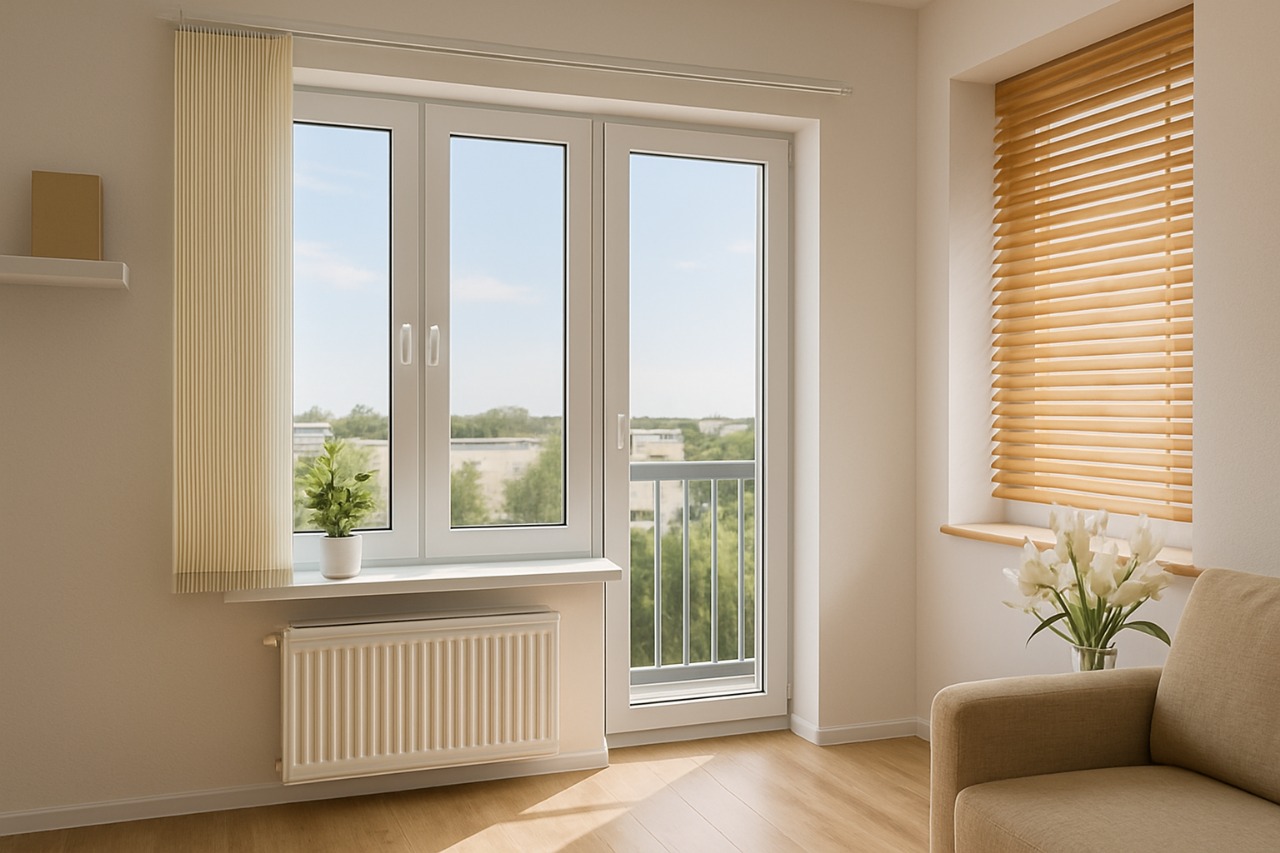
Vertical blinds with patterns and textures. Modern verticals use patterned and embossed textiles, ideal for large windows and sliding doors.
-
Motorization and automation. Electric blinds controlled via apps, timers or voice assistants are increasingly common for comfort and convenience.
-
Sustainability. Recycled fabrics, low-carbon materials and certified wood slats become a priority for eco-conscious buyers.
-
Hybrid solutions. Combining blinds with lightweight curtains, day-night systems or layered slat systems for better light control.
Design vs functionality
-
Light control. The primary function remains managing daylight — modern systems offer smooth dimming, diffusion and blackout options.
-
Thermal and acoustic performance. Dense fabric rollers and wooden slats help retain heat and reduce noise.
-
Ease of maintenance. Dust-resistant and moisture-friendly materials are preferred for kitchens and bathrooms.
-
Safety. Cordless or motorized options are safer for homes with children and pets.
Choosing blinds by interior style
- Scandinavian/minimalist: light fabric rollers or white slats.
- Loft/industrial: metal or dark aluminium blinds.
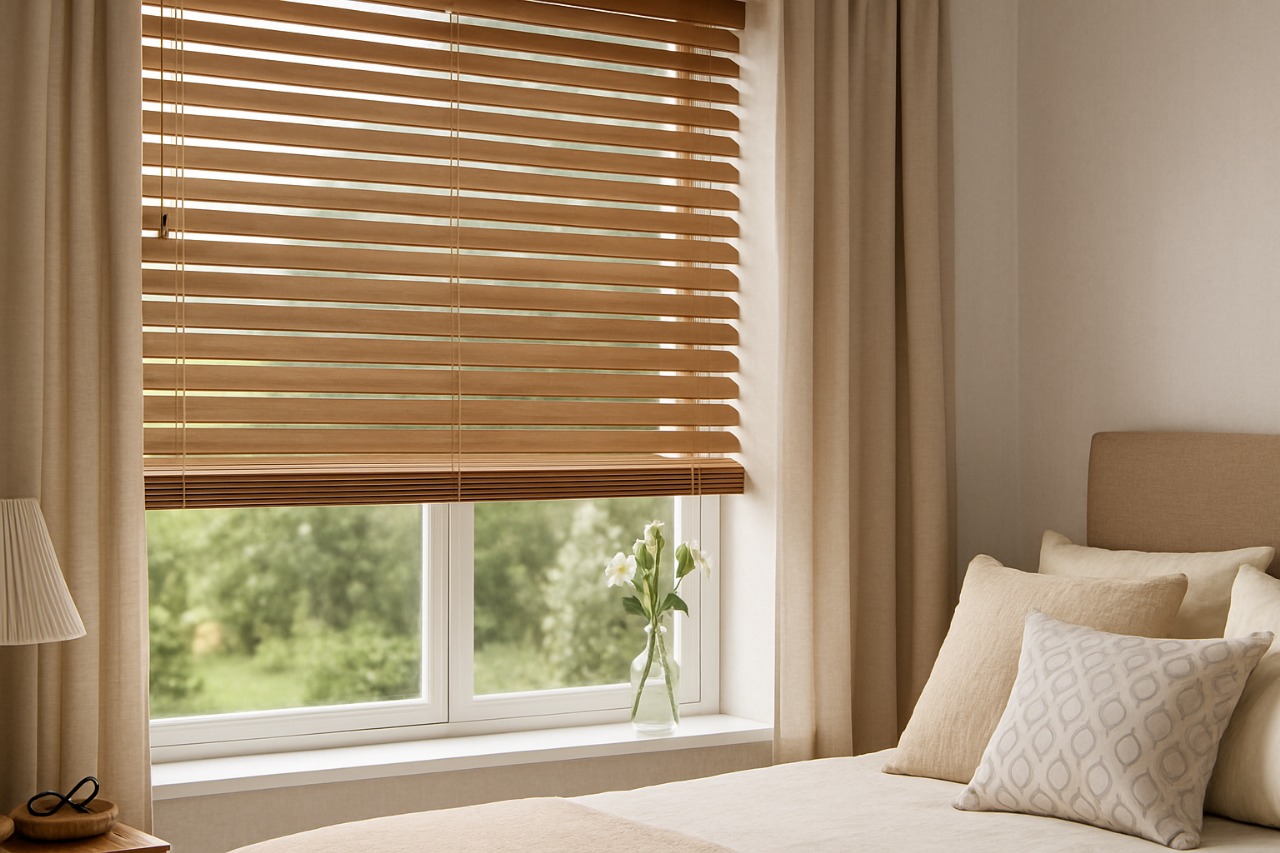
- Classic/cozy: wooden slats, Roman blinds in natural fabrics.
- Children’s rooms: cordless, soft fabrics with subtle prints.
Installation and smart integration
Choose the mounting method according to window type: frame-mounted, recess-mounted or ceiling-mounted. Motorized systems require planning for power supply — battery-operated or rechargeable motors are an alternative. For large panoramic windows, lightweight fabric panels or reinforced vertical systems are recommended.
Care and longevity
- Clean fabric blinds with a soft brush or damp cloth.
- Wooden slats: wipe with a dry cloth and occasional protective oil.
- Inspect mechanisms and fastenings twice a year.
FAQ — Practical questions about blinds
Answers to common questions about materials, suitability, maintenance and motorization.
Which blinds are best for the bedroom?
Blackout roller blinds or day-night combinations are best for bedrooms — they provide full darkness and improved sleep comfort.
What to choose for a bathroom or kitchen?
Moisture-resistant options like aluminium slats or specially treated fabrics are recommended. Avoid untreated wood in humid areas.
Are motorized blinds worth the price?
If you have hard-to-reach windows, large glazed surfaces or want home automation integration — yes. For standard windows, manual systems are more budget-friendly.
How to combine blinds with curtains?
Pair lightweight curtains with blinds to add texture and extra insulation. Use curtains for style and blinds for precise light control.
How to extend the life of my blinds?
Avoid harsh chemicals, clean regularly and follow manufacturer's maintenance guidelines. For motorized units, follow battery and motor care instructions.
What colors are most versatile?
Neutral tones are the safest choice. Accent colors work well in well-lit rooms but consider the overall palette and window size.
Conclusion
Blinds in 2026 blend aesthetics with smart functionality. Prioritize materials and mechanisms that fit your lifestyle: choose sustainable fabrics, consider motorization for convenience, and pair blinds with textiles for layered comfort and better light management.
DK-Logi blog topics and categories
Useful articles about PVC windows, blinds, and practical advice for your home.

GET A FREE WINDOW COST ESTIMATE!
Leave a request, and we will contact you to arrange a free measurement and provide a full cost estimate.
Your name
Your phone number *
Your e-mail
File
Choose file
Comment (e.g., window sizes, quantity, preferred profiles)
2025 © All rights reserved