WINDOWS


Date added: 20.09.26
Which glazing units are best for office buildings
Which glazing units are best for office buildings
Choosing glazing for office buildings requires balancing thermal performance, acoustic comfort, safety and cost. The right insulated glass unit (IGU) improves indoor climate, reduces HVAC costs and enhances employee productivity.
Key performance parameters
- Thermal transmittance (Uw, Ug): lower values mean better insulation.
- Acoustic performance (Rw): critical for façades facing busy roads.
- Safety and durability: toughened, laminated or security glass for vulnerable zones.
- Solar control (g‑value): reduces overheating in sun-exposed façades.
- Condensation resistance and airtightness: warm edge spacers and quality seals are essential.
Common IGU types and where to use them
- Double-glazed units with Low‑E coating and argon fill: the best balance of cost and energy efficiency for most offices.
- Triple-glazed units with Low‑E layers and argon/krypton fill: for high-performance or passive office buildings.
- Laminated and toughened glass: for enhanced security, burglary resistance, and large glazed façades.
- Acoustic IGUs (combinations of different glass thicknesses and laminated layers): for offices near traffic, airports or industrial zones.
- Solar control IGUs or tinted glass: useful for south- and west-facing façades to reduce solar gain and glare.
Thermal performance specifics
- Ug refers to the glass unit’s heat transfer coefficient;
- Uw is the whole-window thermal transmittance and should be the main selection metric;
- Warm edge spacers reduce thermal bridging and condensation risk.
For a Northern European climate like Latvia’s, aim for Uw ≤ 1.1–1.3 W/m²K for standard offices; for energy-efficient buildings target Uw ≤ 0.8–1.0.
Acoustic considerations
- Increasing total IGU thickness and using different glass thicknesses improves sound insulation;
- Laminated glass with an interlayer reduces low-frequency noise;
- For high-noise façades choose acoustic solutions with Rw ≥ 35–45 dB depending on requirement.
Solar control and glare management
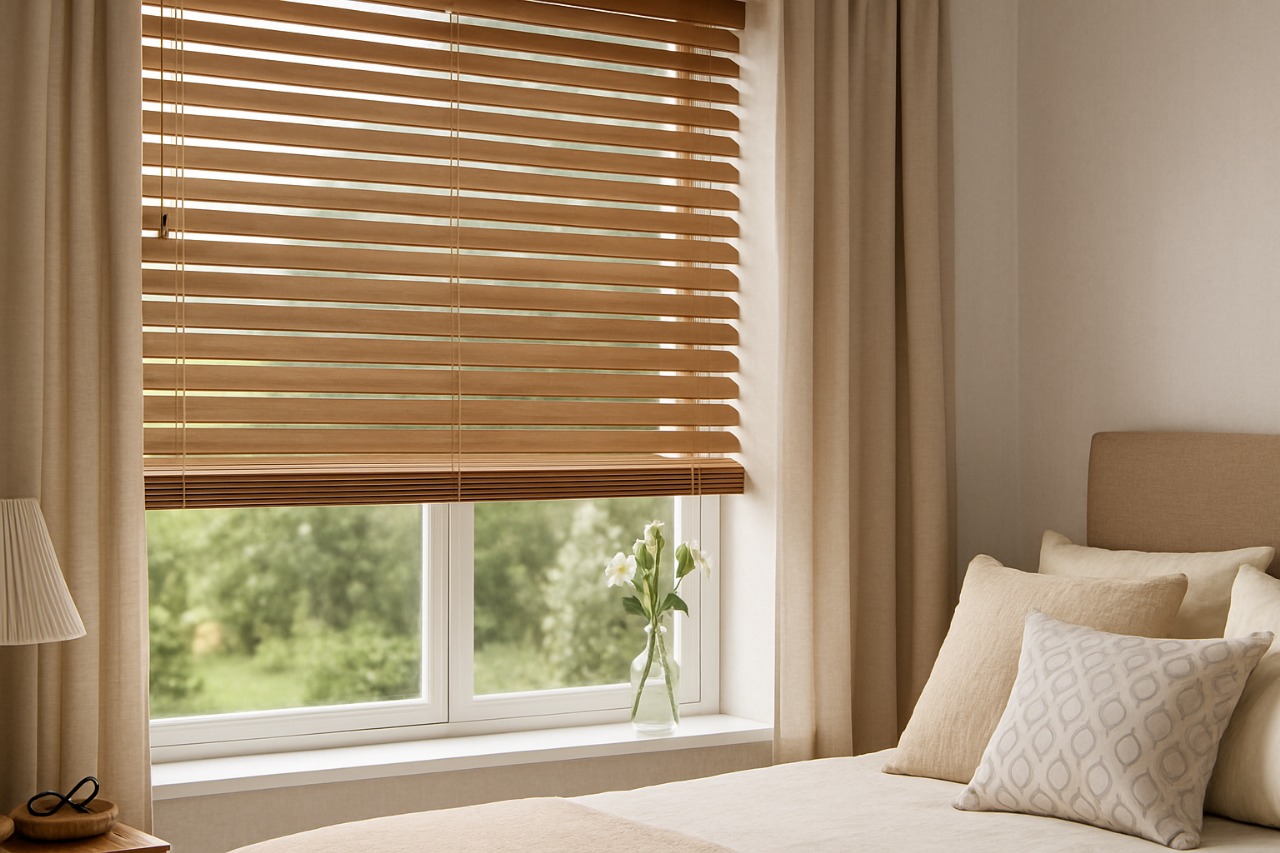
Solar-control Low‑E coatings or selective reflective coatings help reduce overheating and glare. Combine these with interior shading (blinds) for the best results in glazed open-plan offices.
Practical selection tips
- Typical office in Latvia: double-glazed 4/16Ar/4 Low‑E — economical and efficient.
- Meeting rooms: laminated acoustic IGU for speech privacy.
- Highly glazed south façades: select solar-control glazing to reduce cooling loads.
- Green or passive projects: triple glazing with krypton fill and two Low‑E layers.
Note: installation quality and airtightness often matter more than a marginal improvement in glass specification. Poor installation negates benefits from expensive IGUs.
Frequently Asked Questions (FAQ)
Which IGU is best for a conference room?
A laminated acoustic IGU with mixed glass thicknesses provides both sound insulation and safety. Combine with Low‑E for thermal comfort.
Is argon filling necessary for office windows?
Argon improves thermal performance and is a cost-effective option for most offices. Krypton is used in narrow cavity designs or where higher insulation is required.
Should I use laminated glass everywhere?
Laminated glass is recommended for safety-critical areas and façades where breakage consequences are high. It is not always necessary for all internal partitions.
Does Low‑E affect natural light and color?
Modern Low‑E coatings are nearly neutral and do not significantly alter visible light or color rendering while reducing infrared heat.
How long do modern IGUs last?
With correct installation and maintenance, IGUs typically last 20–30 years. The integrity of edge seals and spacer systems determines longevity.
Summary
- Select glazing based on insulation, acoustic needs, safety and solar control.
- Double-glazed Low‑E + argon suits most offices.
- Triple glazing is suitable for high-performance buildings.
- Acoustic performance requires laminated layers and asymmetric glass thicknesses.
- Solar control is essential for sun-exposed façades.
- Proper installation is critical for real-world performance.
DK-Logi blog topics and categories
Useful articles about PVC windows, blinds, and practical advice for your home.

GET A FREE WINDOW COST ESTIMATE!
Leave a request, and we will contact you to arrange a free measurement and provide a full cost estimate.
Your name
Your phone number *
Your e-mail
File
Choose file
Comment (e.g., window sizes, quantity, preferred profiles)
2025 © All rights reserved