WINDOWS


Date added: 07.10.26
Which glazing units are best for series 104
Introduction
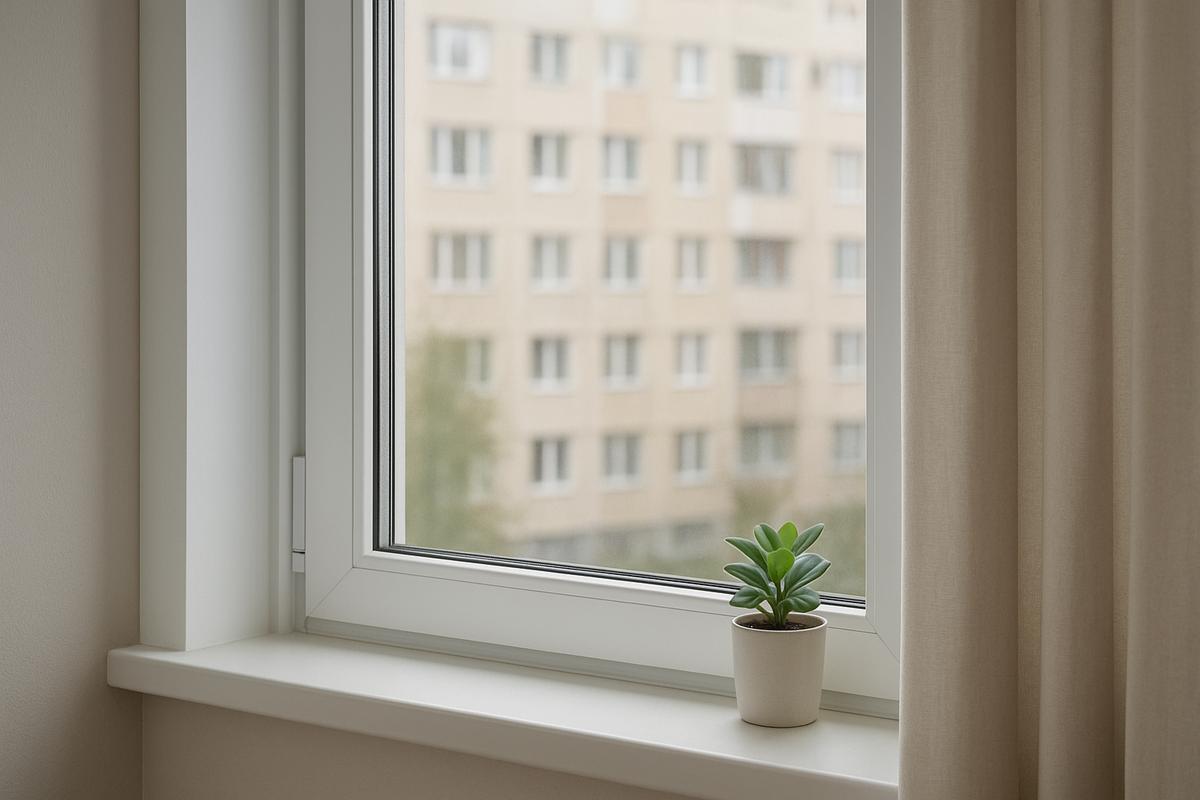
Series 104 is a common panel-house type found in Latvia. Its typical small window openings, shallow sills and limited installation depth require careful selection of glazing units: the right glass package affects heat loss, noise levels and the long-term performance of the window.
Summary
- What a glazing unit consists of and why it matters
- Single-chamber vs double-chamber glazing units
- Low‑E coatings and argon gas filling
- Warm edge spacers and their role
- Choosing for north/south exposure and noisy streets
- Installation and sealing recommendations
What is a glazing unit and why it matters for series 104
A glazing unit is a sealed assembly of two or more glass panes separated by a spacer and filled with dry air or inert gas. In series 104 apartments, the correct unit compensates for older openings, improves comfort and reduces heating costs.
Key selection parameters and their effects
Number of cavities and unit thickness
- Single-chamber (double glazing) — economical, common thickness 16–24 mm.
- Double-chamber (triple glazing) — better thermal and acoustic insulation; common thickness 32–44 mm.
- Triple-chamber (four panes or more) — used in very cold climates or large openings.
For series 104, a double-chamber unit 32–36 mm is often the best balance of cost and performance; choose triple-chamber on northern exposures or poorly insulated facades.
Low‑emissivity (Low‑E) coatings
Low‑E coatings reflect long-wave thermal radiation back into the room and reduce heat loss. Combined with argon, Low‑E is particularly effective on northern and eastern façades.
Gas fill (argon, krypton)
Argon is the cost-effective option for units 24–44 mm wide; krypton is more efficient but more expensive and used in narrower cavities. For standard series 104 windows, argon-fill is recommended.
Warm edge spacers
Warm edge spacers reduce edge condensation and improve overall thermal performance — an important factor with older walls and narrow reveals.
Acoustic performance
For windows facing busy streets, choose units with varied glass thicknesses (e.g., 4/6/4 mm), increased overall width, acoustic laminated glass, or dedicated sound-reducing units.
Safety and solar control
Use laminated or tempered glass for lower floors and balcony doors. For south-facing windows, solar-control coatings or tinted units help reduce overheating in summer.
Recommendations specifically for series 104
- Typical apartments: double-chamber glazing 32–36 mm, Low‑E + argon, warm edge spacer.
- Northern façades or drafty openings: triple-chamber units 36–44 mm with Low‑E.
- Balconies and low floors: laminated outer pane for safety.
- Noisy streets: acoustic glazing with different glass thicknesses or laminated acoustic units.
- Limited installation depth: consider high-performance narrow solutions (krypton where justified by budget).
Note: always coordinate your choice with the installer. Poor installation or lack of ventilation can negate the benefits of an expensive glazing unit.
Installation, seals and maintenance
- Proper installation and sealants are critical: even the best glazing won't perform if installed poorly.
- Replace old seals; they must be intact and elastic to ensure airtightness.
- Combine window replacement with adjustment of ventilation (trickle vents or mechanical ventilation) to avoid humidity and condensation.
Frequently Asked Questions (FAQ)
1. Do I need a triple-chamber glazing unit in a series 104 apartment?
Triple-chamber units provide better insulation but cost more and are heavier. For most series 104 flats, a double-chamber 32–36 mm unit is optimal; triple-chamber is advisable for particularly cold or noisy façades.
2. Which is better: Low‑E coating or an extra chamber?
Low‑E provides a significant improvement in thermal performance and is often the more cost-efficient upgrade. Ideally, use Low‑E together with an appropriate number of chambers.
3. Is argon filling worth it?
Yes. Argon is an economical way to improve insulation without large cost increases. Krypton is more effective in narrow cavities but usually not necessary for standard windows.
4. What glazing is best for a balcony?
Choose laminated or tempered glass with good thermal performance and moisture protection; reinforced hardware is also recommended for doors.
5. How much does installation affect performance?
Professional installation removes thermal bridges and prevents drafts. Poor installation can eliminate the gains from a high-performance unit.
6. Can I replace only the glazing and keep the existing frame?
Yes, glazing replacement is common in series 104 and can be cost-effective, but the frame, seals and sill must be checked and potentially renewed.
If you want, we can prepare a cost and performance comparison of several glazing options for your specific apartment (orientation, floor, noise level).
DK-Logi blog topics and categories
Useful articles about PVC windows, blinds, and practical advice for your home.

GET A FREE WINDOW COST ESTIMATE!
Leave a request, and we will contact you to arrange a free measurement and provide a full cost estimate.
Your name
Your phone number *
Your e-mail
File
Choose file
Comment (e.g., window sizes, quantity, preferred profiles)
2025 © All rights reserved