WINDOWS


Date added: 27.07.26
Which glazing units are best for series 119
Introduction
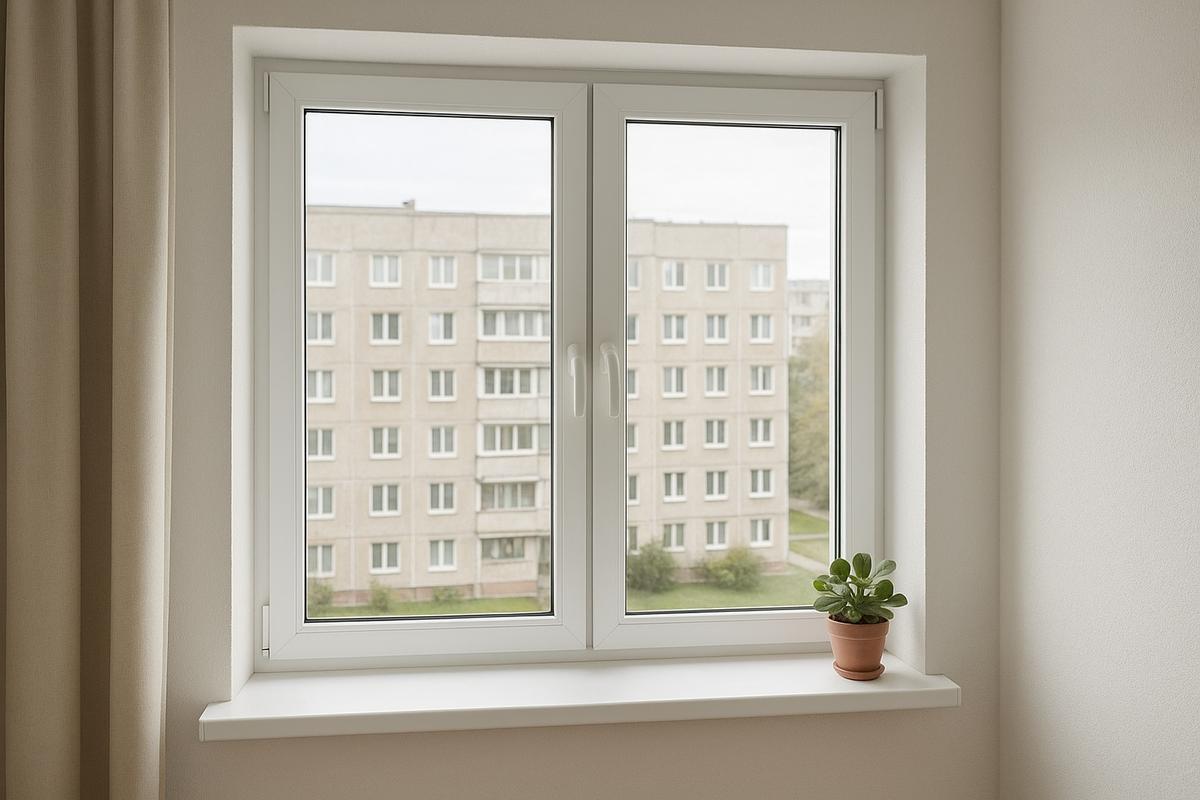
Series 119 panel buildings are common in the Baltic region and have specific window opening characteristics: relatively shallow frames, limited mounting depth and variable sills. Choosing the right glazing unit for series 119 affects thermal performance, acoustic comfort and long-term durability. This article explains available glazing options, what matters for series 119, and recommended solutions for the Latvian climate.
Main types of glazing units
- Single-chamber (double-glazed) unit — two panes with an air or gas cavity. Cost-effective, but inferior in thermal and acoustic insulation compared to multi-chamber units.
- Double-chamber (triple-glazed) unit — three panes with two cavities. Provides better heat retention, noise reduction and less condensation.
- Low-E (low-emissivity) coated glass — reflects infrared radiation, improving energy efficiency.
- Gas-filled units (argon, krypton) — reduce thermal conductivity compared to air.
- Laminated or security glass — increases safety and reduces UV transmission.
- Acoustic glazing units — combine different glass thicknesses and cavity sizes to lower external noise.
What matters specifically for series 119
- Thickness and weight: frames in 119 series often have limited depth and weaker mounting points. Heavy triple units may require reinforced sashes and fittings.
- Mounting depth: measure the profile and installation gap — not all triple units will fit without frame upgrades.
- Thermal performance: in Latvia, Low-E coatings and argon filling are highly effective in reducing heating losses.
- Condensation: improved glazing helps reduce condensation, but adequate ventilation is essential.
- Noise reduction: for busy streets, choose acoustic units with mixed glass thickness.
Recommended combinations
- Budget option: single-chamber 4-16-4 unit with a warm spacer as an entry-level choice for quiet locations.
- Best value: double-chamber 4-12-4-12-4 with argon filling and Low-E coating — suitable for colder climates and noisy areas.
- Maximum insulation: high-performance triple units with argon and warm edge spacers — check frame load-bearing capacity before installation.
- Safety & UV protection: include laminated inner panes where required.
Installation and complementary measures
- Reinforce sashes and hardware if installing heavier units.
- Use warm spacers, high-quality seals, and proper sealing tapes to avoid thermal bridges.
- Ensure ventilation: trickle vents or mechanical ventilation reduce condensation risk.
- Properly finish sills and reveals to prevent cold spots and mold.
Frequently Asked Questions
1. Do I need a triple glazing unit in a 119 series apartment?
Not always. If the frame allows for the depth and the hardware can handle the weight, triple glazing improves insulation. Otherwise, a well-performing double-chamber unit with Low-E and argon is a practical choice.
2. What spacer gap is optimal between panes?
For double-chamber units, 12–16 mm cavities are typical, balancing thermal and acoustic performance and structural stability.
3. Does lamination help with noise reduction?
Lamination increases safety and offers some sound damping, but significant acoustic gains come from combining different pane thicknesses and larger cavities.
4. Will frame replacement be necessary for heavy glazing?
Sometimes — if the existing profile is thin or worn, replacing the frame with a stronger profile is recommended.
5. What is the most cost-effective choice for Latvia?
A double-chamber glazing unit with argon and Low-E provides the best return by lowering heating costs while fitting most 119 series windows after minor adjustments.
Conclusion
Choosing the right glazing unit for series 119 is a balance of frame depth, weight capacity, desired thermal and acoustic properties, and budget. For most apartments in Latvia, a double-chamber glazing unit with Low-E coating and argon filling is the optimal solution, provided the frame condition and installation are properly verified. When in doubt, order measurements and a specialist consultation to avoid mistakes and additional costs.
DK-Logi blog topics and categories
Useful articles about PVC windows, blinds, and practical advice for your home.

GET A FREE WINDOW COST ESTIMATE!
Leave a request, and we will contact you to arrange a free measurement and provide a full cost estimate.
Your name
Your phone number *
Your e-mail
File
Choose file
Comment (e.g., window sizes, quantity, preferred profiles)
2025 © All rights reserved