WINDOWS


Date added: 05.08.26
Which glazing units are best for top floors
Which glazing units are best for top floors
Top-floor apartments face specific challenges: stronger wind loads, higher solar exposure, pronounced temperature swings and sometimes more street noise. Choosing the right glazing unit means balancing thermal and acoustic performance, structural strength, weight and condensation resistance. This guide reviews the best glazing options for top floors and gives practical recommendations.
Key factors to consider for top-floor glazing
- Wind and structural strength: higher floors experience stronger gusts; glazing must handle increased loads.
- Thermal insulation: top floors can lose heat faster, so low U‑values are important.
- Acoustic performance: different glass thicknesses and laminated layers help reduce external noise.
- Solar control: strong sun exposure on upper floors requires coatings or shading to avoid overheating.
- Weight and installation: lighter units simplify installation and reduce stress on hinges and hardware.
- Safety: laminated or toughened glass minimizes hazards in case of breakage.
Types of glazing units and characteristics
Single, double and triple glazed units
- Single-glazed units (one cavity) are inexpensive but provide limited insulation.
- Double-glazed units (two cavities) are typically the best compromise for top floors — good thermal and acoustic performance at reasonable cost.
- Triple-glazed units offer excellent insulation and noise reduction but are heavier and more costly.
Inert gas fills (argon, krypton)
- Argon improves thermal performance compared to air and is cost-effective.
- Krypton performs better in narrower gaps and high-performance units but is more expensive.
Warm edge spacer
A warm edge spacer reduces thermal bridging at the glass edge and lowers the risk of edge condensation — a valuable feature for top-floor windows.
Low‑E (low emissivity) coatings
Low‑E glass reflects infrared heat back inside during winter and can reduce solar heat gain when combined with appropriate solar control strategies.
Solar control and tinted glass
If windows face south or west with intense sun, consider solar-control or tinted glazing to reduce internal temperatures.
Laminated and toughened glass
- Laminated glass holds fragments on a polymer interlayer, enhancing safety.
- Toughened (tempered) glass is stronger and breaks into small blunt fragments.
Practical recommendations
- For most top-floor flats, opt for a double-glazed unit with argon fill and a warm-edge spacer — it’s a reliable all-round solution.
- For noisy streets, use glass combinations of different thicknesses or acoustic laminated layers to improve sound insulation.
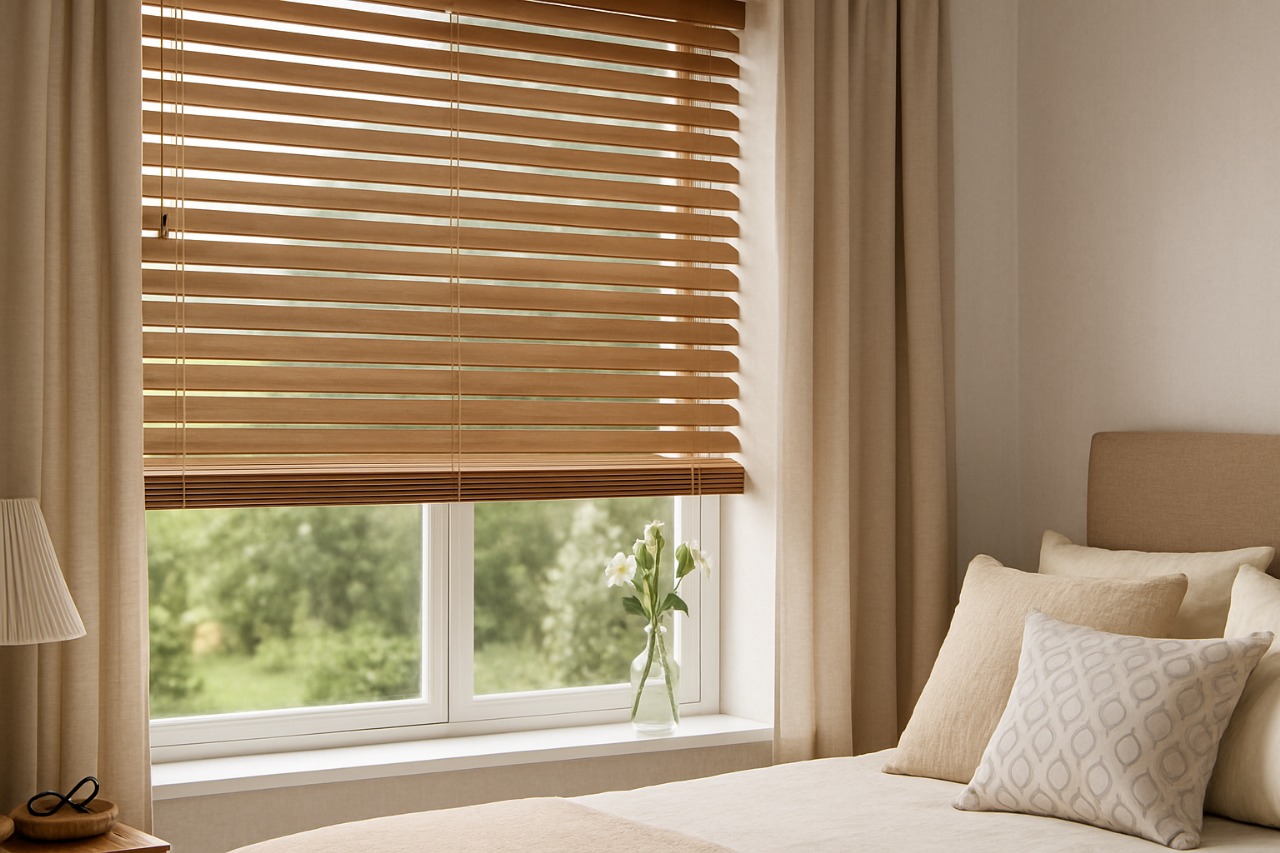
- To avoid overheating, combine Low‑E coatings with external shading such as blinds or roller shutters.
- Ensure profiles and hardware are rated for higher wind loads; reinforced PVC profiles and quality fittings increase durability.
- Proper installation with airtight sealing and drainage prevents issues with condensation and drafts.
- Consider laminated glass where safety is a priority, e.g., for floor-to-ceiling or balcony doors.
Installation and maintenance
- Correct installation is crucial: even high-performance glazing will underperform with poor seals or incorrect mounting.
- Ventilation: better insulation might reduce natural ventilation; provide micro-ventilation or mechanical ventilation if needed.
- Service: check seals, drainage holes and hardware regularly, and clean frames and glass before winter.
FAQ
Which glazing resists strong winds best?
Look for reinforced frames, tempered glass and secure fixing systems. The overall window structure and professional installation are as important as the glass itself.
Is laminated glass necessary on top floors?
Laminated glass increases safety by keeping fragments on the interlayer, reducing the risk of falling shards in strong winds or impacts.
Do triple-glazed units prevent condensation?
Triple glazing lowers the U‑value, but condensation also depends on frame thermal breaks, warm edge spacers and indoor ventilation.
How to reduce overheating in summer?
Use solar-control Low‑E coatings in combination with external shading (blinds, roller shutters) to limit solar gain effectively.
Conclusion
A double-glazed unit with argon fill, warm-edge spacer and Low‑E coating is a practical and efficient choice for most top-floor apartments. For higher acoustic or safety requirements, choose laminated or specialist acoustic units. Above all, prioritize correct installation and sufficient ventilation to ensure long-term comfort and performance.
DK-Logi blog topics and categories
Useful articles about PVC windows, blinds, and practical advice for your home.

GET A FREE WINDOW COST ESTIMATE!
Leave a request, and we will contact you to arrange a free measurement and provide a full cost estimate.
Your name
Your phone number *
Your e-mail
File
Choose file
Comment (e.g., window sizes, quantity, preferred profiles)
2025 © All rights reserved