WINDOWS


Date added: 01.09.26
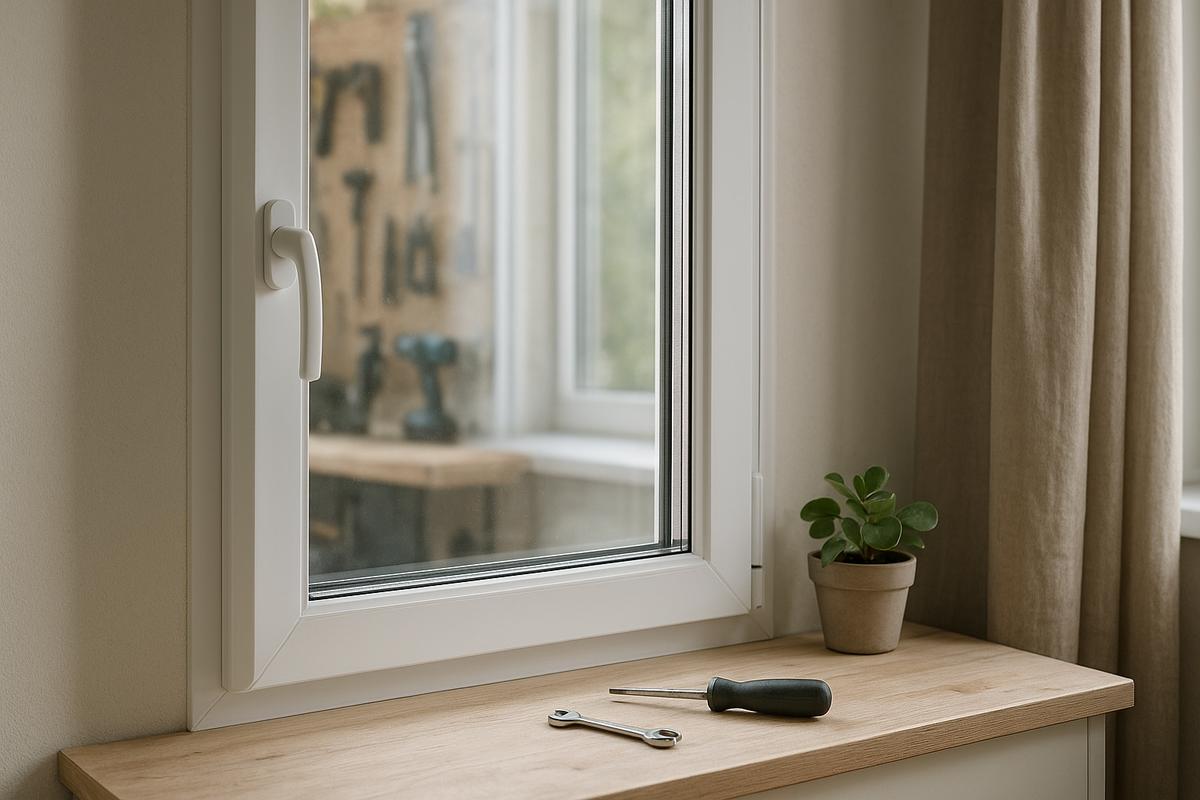
Which glazing units are suitable for workshops
Which glazing units are suitable for workshops
Workshops present a mix of challenges for windows: mechanical impacts, noise, dust, chemical vapors, condensation and variable indoor temperatures. A glazing unit for a workshop should combine durability, safety, thermal performance and low maintenance.
Key requirements for workshop glazing
- Impact resistance and mechanical robustness.
- Acoustic insulation for noisy equipment (machines, compressors).
- Thermal insulation if the workshop is heated.
- Condensation resistance and long-lasting seals.
- Chemical resistance against solvents, paints and oils.
- Safety glazing to reduce injury risk in case of breakage.
Types and configurations
-
Single glazing — generally unsuitable for workshops due to poor thermal and acoustic performance.
-
Double-glazed units (IGUs) — a basic practical choice. Typical configurations like 4-12-4 or improved 6-16-4 provide a balance of insulation and cost.
-
Triple-glazed units — recommended for cold or heavily conditioned workshops where maximum thermal performance is needed (e.g., 4-12-4-12-4 configurations).
-
Laminated glass (PVB) — holds fragments on a film when broken, suitable where flying debris is a risk.
-
Tempered (toughened) glass — stronger and safer in breakage (crumbles into small, less harmful pieces). Use on the outer pane where impacts are most likely.
-
Acoustic glazing — uses laminated layers and unequal-pane thickness with wider cavities (12–20 mm) to reduce noise transmission.
-
Low‑E coatings and gas fills (argon, krypton) — improve thermal performance. Low‑E is useful in heated workshops; consider the heat balance if processes generate a lot of internal heat.
Recommended setups by workshop type
-
Woodworking: laminated outer pane + tempered inner or vice versa, 12–16 mm cavity, gas fill optional for thermal efficiency.
-
Metalworking: tempered glass (≥6 mm) and reinforced frames; consider protective external elements against sparks.
-
Paint or solvent workshops: chemical-resistant spacers and seals, strong ventilation; tempered or coated glass and routine maintenance to prevent seal failure.
-
Electronics/assembly rooms: airtight IGUs, warm-edge spacers and increased attention to dust control.
Critical components: frame, seals, spacer
- PVC profiles should have steel reinforcement to prevent deformation under vibration.
- Seals: EPDM or chemically resistant alternatives to withstand oils and solvents.
- Warm-edge spacers reduce edge cooling and condensation risks.
Installation, ventilation and maintenance
- Correct installation with drainage and gap ventilation is essential for lifespan.
- Proper ventilation is particularly critical in workshops to remove harmful vapors and dust that shorten seal and glass life.
- Regular inspection of seals, frame and glazing beads; timely replacement of damaged parts.
FAQ
Do I need tempered glass in all workshops?
Not always, but tempered glass greatly improves resistance to impact and thermal shock. It is recommended for outer panes and areas with higher risk of strikes.
Which is better for soundproofing: thicker glass or lamination?
A combination of different pane thicknesses plus lamination usually gives the best acoustic performance.
What cavity width is optimal?
12–16 mm is a practical compromise for thermal and acoustic performance; 16–20 mm can improve sound insulation.
How to protect glazing from solvents and paints?
Use chemical-resistant seals and spacers, plan effective extraction, and consider laminated or coated glass where surface protection is needed.
Can I replace a workshop window myself?
Professional installation is recommended to ensure proper sealing, drainage and structural anchoring, especially where reinforcement is required.
What additional options are useful?
Dust filters for ventilation openings, exterior blinds or roller shutters for mechanical protection, and trickle vents with filters.
Choosing the right glazing for a workshop requires balancing safety, thermal needs, acoustic comfort and chemical exposure. Consult manufacturers for certified impact and acoustic data and specify materials and spacers appropriate to your processes.
DK-Logi blog topics and categories
Useful articles about PVC windows, blinds, and practical advice for your home.




GET A FREE WINDOW COST ESTIMATE!
Leave a request, and we will contact you to arrange a free measurement and provide a full cost estimate.
Your name
Your phone number *
Your e-mail
File
Choose file
Comment (e.g., window sizes, quantity, preferred profiles)

2025 © All rights reserved