WINDOWS


Date added: 21.08.26
Which glazing units to choose for a penthouse
Which glazing units to choose for a penthouse
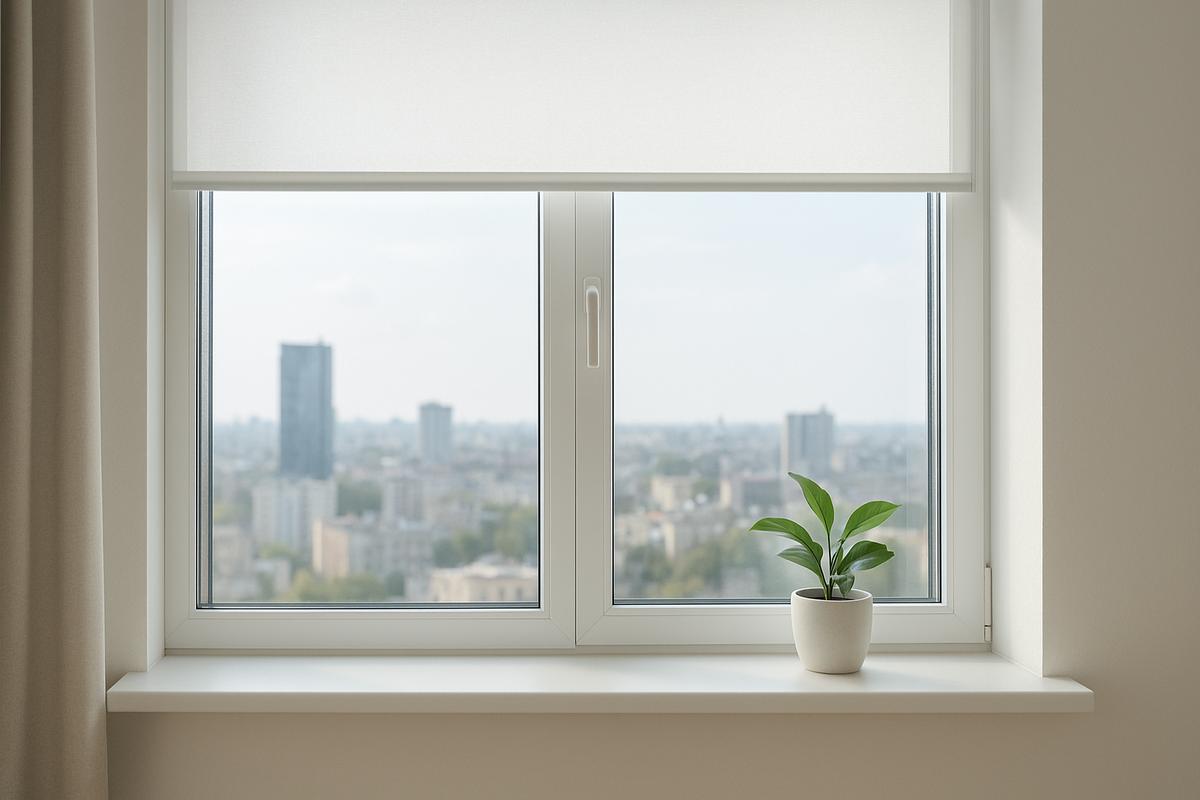
A penthouse has large panoramic windows, high expectations for comfort, energy efficiency and security. Choosing the right glazing unit affects heat retention, noise reduction, sun control and the preserved view. This guide explains types of glazing, technical parameters and practical recommendations for penthouse installations.
Penthouse specifics that affect glazing choice
- Wide glass surfaces and large panels — require reinforced frames and heavier glazing.
- Increased solar exposure on upper floors — risk of overheating and fading of interiors.
- Wind and weather loads — demand rigid profiles and high-quality seals.
- Urban noise and privacy needs — acoustic and protective glass properties are important.
- Safety and insurance considerations — laminated or toughened glass may be required.
Main types of glazing units and their characteristics
- Single-chamber (double glazing) — economical, suitable for moderate conditions but inferior in thermal and acoustic performance.
- Double-chamber (triple glazing) — offers improved thermal and sound insulation while balancing weight.
- Special multi-layer (laminated, toughened) — increased safety, shatter resistance and burglary protection.
Fillings and coatings
- Low‑E (low emissivity) glass — reduces heat loss, decreases condensation and keeps heat inside during winter. Recommended for north and moderate exposures.
- Gas fills (argon, krypton) — improve insulative properties; krypton is more effective in narrow cavities but costs more.
- Solar control coatings (tints, selective coatings) — reduce solar heat gain and protect interiors from fading.
- Laminated glass — prevents shards from falling and adds burglary resistance.
Tip: For large panoramic units, combine Low‑E + argon/krypton + a warm edge spacer to maximize performance.
Thermal and acoustic parameters
- U‑value: the lower, the better for thermal comfort. For penthouses target U ≤ 1.1–1.3 W/m²·K depending on climate.
- g‑value (solar factor): important to control overheating; lower g recommended for south-facing exposures.
- Rw (sound reduction): aim for Rw ≥ 35–40 dB in urban penthouses; higher in very noisy areas.
Construction and practical considerations
- Glazing thickness and cavity widths increase with additional layers and gas — check profile load limits.
- Warm edge spacer reduces thermal bridging at the glass edge and lowers condensation risk.
- Profile and reinforcement: choose reinforced PVC profiles or thermally broken aluminum for large openings.
- Hardware: ensure fittings can handle the weight and frequent operation of large sashes.
Safety and aesthetics
- Toughened glass is recommended in lower sections or where impact risk exists.
- Laminated glass enhances security and prevents dangerous shards; consider it for terraces and exposed facades.
- For panoramic views, prefer neutral selective coatings rather than heavy tints to preserve clarity.
Practical selection workflow
- Assess window orientation and solar exposure.
- Determine priorities: thermal insulation, acoustic performance, security, sun protection.
- Choose a system: double-chamber glazing with Low‑E + argon often offers the best compromise; add lamination in low zones for safety.
- Verify profile load capacity and select reinforcement if needed.
- Order professional measurements and installation with warm installation (airtight flashing and insulation).
FAQ
Is triple glazing always necessary for panoramic windows?
Not necessarily. Triple glazing is beneficial in cold climates or very noisy environments. For moderate climates, a double-chamber glazing unit with Low‑E and gas fill often suffices.
Which gas to choose — argon or krypton?
Argon offers the best cost-effectiveness. Krypton performs better in narrow cavities and thin frames but is pricier.
Do I need laminated glass for safety?
Laminated glass is recommended for low panels, terraces and when burglary protection is a concern.
How to avoid glare and overheating?
Use selective coatings and external or internal sun protection systems (blinds, roller shades). Combining Low‑E with solar-control glazing reduces heat gain.
Final recommendation: make decisions based on measured data, laboratory values (U, g, Rw) and professional consultation. Request samples and documented specifications before ordering.
DK-Logi blog topics and categories
Useful articles about PVC windows, blinds, and practical advice for your home.

GET A FREE WINDOW COST ESTIMATE!
Leave a request, and we will contact you to arrange a free measurement and provide a full cost estimate.
Your name
Your phone number *
Your e-mail
File
Choose file
Comment (e.g., window sizes, quantity, preferred profiles)
2025 © All rights reserved