WINDOWS


Date added: 06.10.26
Which profiles are best for series 103
Which profiles are best for series 103
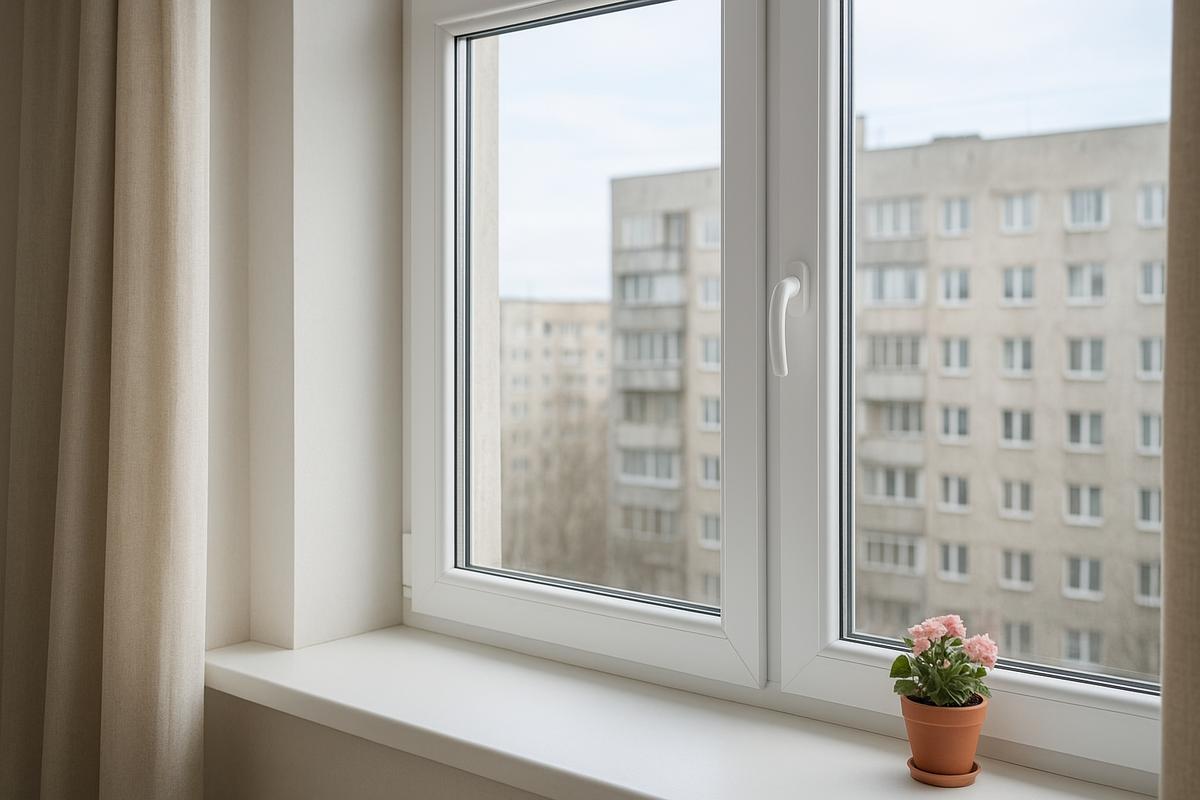
Series 103 is a typical panel apartment building found across the Baltic region. When upgrading windows in these apartments, you must balance profile depth, glazing options, installation constraints and budget. This guide explains which PVC profiles suit series 103 openings, how to match glass units to profiles and what to check at installation.
Characteristics of series 103 windows
- Opening type: standard rectangular window blocks with limited mounting depth.
- Wall construction: panel walls with relatively low thermal mass.
- Typical goals: improve thermal performance, reduce drafts and increase sound insulation.
Note: proper installation and sealing are as important as profile choice. Even the best profile won’t perform if mounted incorrectly.
Common profile depths and what they mean
- 58 mm (3–4 chambers) — budget option. Works when the apartment already has decent insulation.
- 70 mm (4–5 chambers) — the universal choice: a good balance between thermal performance and cost.
- 76–82 mm (multi-chamber systems) — ideal for cold locations and for installing triple-glazed units.
Key technical aspects to check:
- mounting depth in mm;
- number of internal chambers (more chambers typically mean better insulation);
- quality and placement of steel reinforcement;
- seals (double or triple gasket);
- compatibility with extension profiles (sills, trims) for finishing.
Recommendations for series 103
- Cold apartments and lower floors: choose profiles with at least 70 mm mounting depth and 5+ chambers to allow effective use of insulated glazing.
- Mid-floor and warmer apartments: 58–70 mm profiles with proper installation and a quality insulated glass unit can be sufficient.
- Small mounting gaps: consider narrower but thermally efficient profiles combined with extension trims and sealing tapes.
Glass units and profile compatibility
- Double low-e insulated glass (4-16-4) — cost-effective and suitable for many apartments.
- Triple glazing (4-12-4-12-4) — recommended when profile depth allows and for improved sound and heat insulation.
- Warm spacer bars improve overall U-values and reduce condensation risk.
Installation and complementary elements
- Ventilation: in panel buildings ensure micro-ventilation via hardware or a small ventilation valve to prevent moisture build-up.
- Installation layers: use a layered approach — PU foam for filling, internal vapor barrier tape, and an external vapor-permeable tape.
- Reveals and reinforcements: old panel openings sometimes need reinforcement and leveling before new frames are fitted.
Budget vs durability
- Budget: 58 mm profile + double glazing, steel reinforcement, basic hardware.
- Mid-range: 70 mm profile + energy-saving IGU, better seals and hardware with micro-ventilation.
- Premium: 76–82 mm profile + triple glazing, warm spacer, superior hardware and acoustic solutions.
Common mistakes
- Choosing profile solely by chamber count without assessing installation quality.
- Skimping on seals and hardware, leading to drafts and noise.
- Picking a profile depth that won’t allow the preferred glass unit.
FAQ — quick answers
1. Can I install a 70 mm profile in a 103 series apartment?
Yes. A 70 mm profile is often the optimal choice for series 103 — it provides improved insulation and normally fits the available mounting space. Confirm exact measurements with a professional survey.
2. Is triple glazing necessary?
Triple glazing improves thermal and sound insulation significantly and is worth it for cold-facing windows or noisy streets. In milder situations, a high-quality double-glazed low-e unit may suffice.
3. Which hardware should I choose?
Choose hardware with micro-ventilation and adjustable pressure settings. Reliable brands with service options are preferable to unknown budget hardware.
4. How much does window replacement cost in a 103 series building?
Costs vary by size, profile choice, glass type and installation complexity. Request an on-site measurement to get an accurate quote.
5. How to improve acoustic performance?
Use deeper profiles (70+ mm), laminated or multiple glazed units, and high-quality seals. External reveals and finishing can also reduce noise.
6. Do I need trims and sills?
Yes. Trims (extension profiles) close mounting gaps and improve appearance; sills protect the façade and complete the installation.
Conclusion
For series 103 the most practical compromise is a 70 mm PVC profile with an energy-saving insulated glass unit. For colder exposures or high noise areas consider 76–82 mm frames with triple glazing. Above all, choose experienced installers and a proper sealing scheme to achieve promised performance. DK-Logi offers measurement and installation services tailored to series 103 apartments.
DK-Logi blog topics and categories
Useful articles about PVC windows, blinds, and practical advice for your home.

GET A FREE WINDOW COST ESTIMATE!
Leave a request, and we will contact you to arrange a free measurement and provide a full cost estimate.
Your name
Your phone number *
Your e-mail
File
Choose file
Comment (e.g., window sizes, quantity, preferred profiles)
2025 © All rights reserved