WINDOWS


Date added: 17.10.26
Which profiles are best for stained glass
Which profiles are best for stained glass
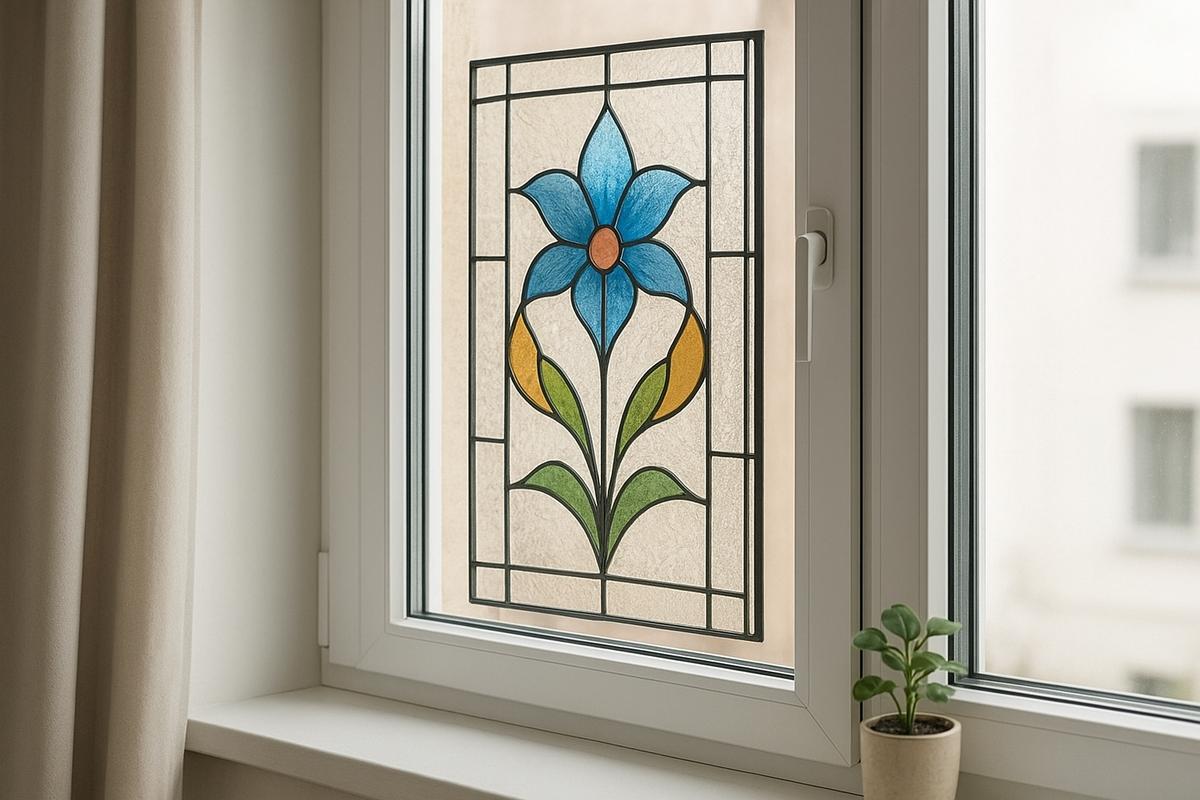
Stained glass (decorative glazing) is both an aesthetic and a structural element. The frame profile affects appearance, load capacity, thermal performance and installation options. This guide explains which profiles suit stained glass, what to check when choosing, and practical tips for glazing and maintenance.
Key requirements for profiles used with stained glass
- Rigidity and load‑bearing capacity — stained glass assemblies can be heavier than ordinary glazing due to decorative layers, lead cames or interlayers.
- Profile depth — greater installation depth (typically 70 mm and above) increases structural stability and insulation.
- Reinforcement option — the profile must allow insertions of steel reinforcement or built‑in stiffeners.
- Slim sightlines when required — some designs need minimal visible frame width.
- Compatibility with glazing beads, gaskets and sealants.
Profile types and their advantages
-
PVC profiles (multi‑chamber) — common for domestic and small decorative stained glass. Good thermal performance and permit internal steel reinforcement. Choose systems with 70–80 mm depth and at least 5 chambers for stability.
-
Aluminum profiles (with thermal break) — ideal for large stained glass fields and slim sightlines. Aluminum offers high stiffness with thin sections; thermal break preserves insulation.
-
Hybrid systems (aluminum‑PVC) — combine thin external sightlines of aluminum with the insulation of PVC.
-
Timber or laminated wood profiles — used when a traditional look is required. They are visually appealing but need more maintenance and are usually pricier.
When to prefer aluminum over PVC
- Large panels, heavy assemblies or requirements for very slim profiles → aluminum (with thermal break) or hybrid systems.
- Smaller decorative inserts within a regular window → reinforced PVC is economical and provides good acoustic performance.
Reinforcement and mounting
- Internal steel reinforcement is mandatory for high loads. Reinforcement selection should match the profile geometry.
- Heavy stained glass may require additional mullions, transoms and anchoring to the structural frame.
- Use setting blocks, elastic packers and high‑quality sealants to allow for thermal movement and ensure proper support.
Glass choices and technical notes
- Stained glass often uses laminated glass with decorative interlayers (PVB), tempered glass where safety is critical, and multi‑layer IGUs when required.
- For exterior installations consider warm edge spacers and high‑quality gaskets to prevent condensation.
Care and maintenance
- Clean with soft, non‑abrasive cleaners; avoid aggressive solvents and acids.
- Inspect gaskets and silicone joints regularly and renew seals if needed.
- For traditional leaded stained glass check mechanical fittings seasonally.
Practical recommendations
- Small decorative stained glass up to ~1.5 m²: multi‑chamber PVC profile (70–80 mm) with internal reinforcement.
- Large panoramic stained glass over ~2 m²: aluminum with thermal break or hybrid system.
- Historic restorations: timber profiles or laminated PVC with wood finish and appropriate reinforcement.
FAQ
-
Q: Is a structural calculation necessary?
A: Yes — for large or heavy stained glass, an engineering assessment is required. -
Q: Can decorative film replace real stained glass?
A: Films are cheaper but lack longevity, depth and safety of proper laminated glass. -
Q: Do I need ventilation behind a sealed stained glass unit?
A: For large hermetic panels, plan for moisture control and ventilation to avoid condensation.
Conclusion
Choose the profile based on panel size, weight, sightline requirements and budget. Aluminum and hybrid systems excel for large, slim designs; reinforced PVC works well for smaller decorative elements. Always consult manufacturers and a structural specialist for complex projects.
DK-Logi blog topics and categories
Useful articles about PVC windows, blinds, and practical advice for your home.

GET A FREE WINDOW COST ESTIMATE!
Leave a request, and we will contact you to arrange a free measurement and provide a full cost estimate.
Your name
Your phone number *
Your e-mail
File
Choose file
Comment (e.g., window sizes, quantity, preferred profiles)
2025 © All rights reserved