WINDOWS


Date added: 08.08.26
Which profiles are suitable for large windows
Which profiles are suitable for large windows
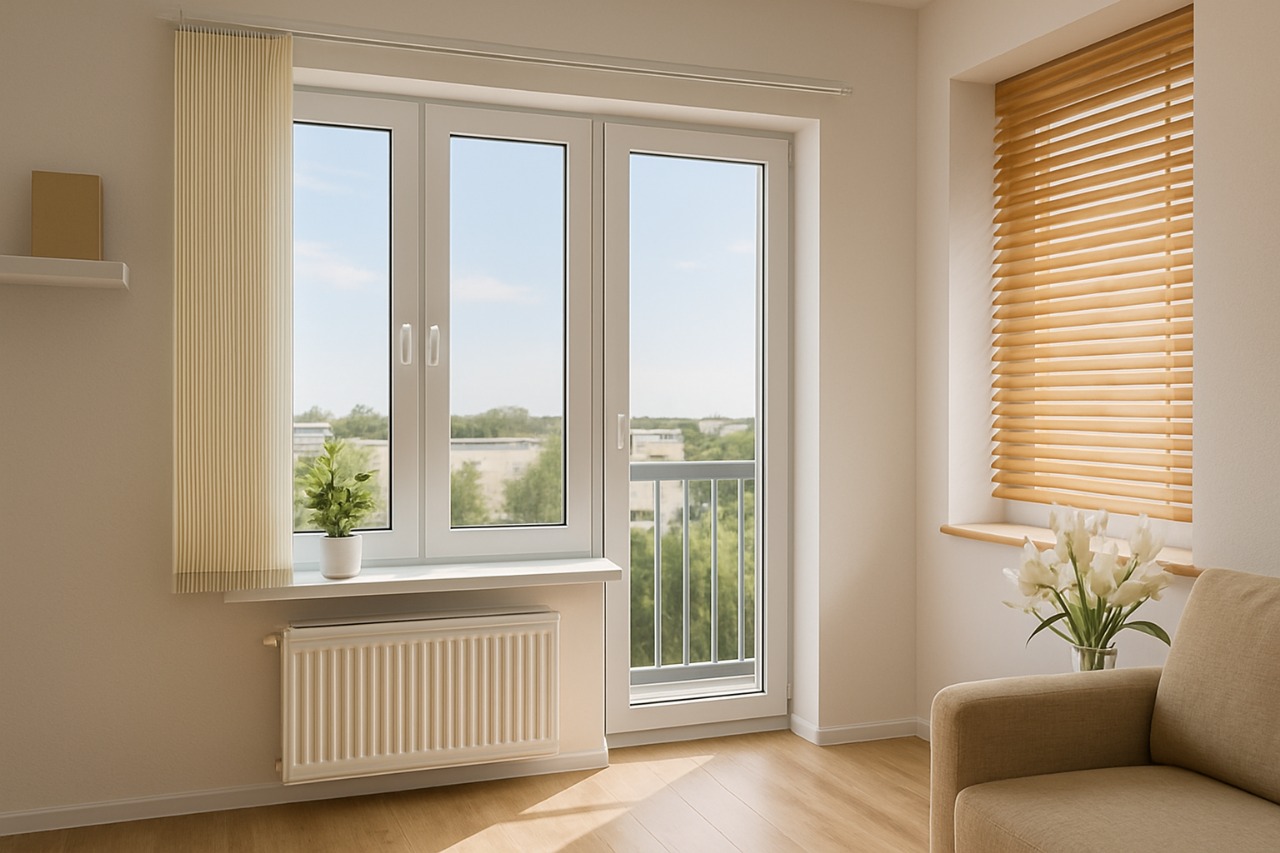
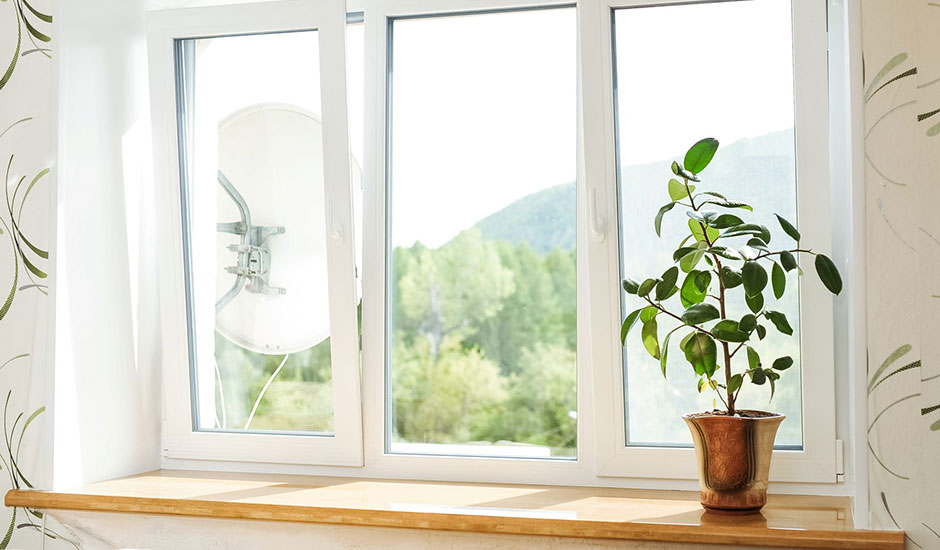
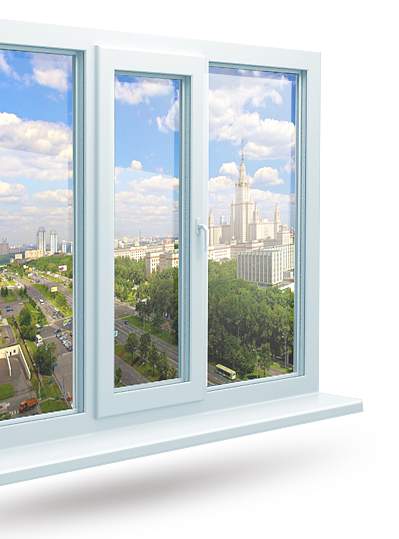
Large windows provide daylight, panorama and a sense of space, but they also create engineering demands: heavy insulated glass units, wind loads, thermal performance and reliable hardware. The right PVC profile determines durability, energy efficiency and safety. This guide covers practical recommendations on choosing profile depth, chamber count, reinforcements, glass units and installation details for large openings.
Why the profile matters for large windows
- The profile supports the glazed unit and transfers loads to anchors.
- Frame depth and chamber design affect stiffness and thermal insulation.
- Reinforcements (steel or composite) are essential for heavy sashes.
For large windows the main goal is a combination of rigidity and thermal efficiency: the profile must resist deflection while minimizing thermal bridges.
Key profile characteristics for large spans
- Installation depth: ideally 70 mm and above. A deeper profile allows for stronger reinforcements and a multi-chamber layout.
- Chamber count: 5–7 chambers is a good balance of rigidity and insulation; 7–9 chambers for very cold climates.
- Reinforcement: mandatory — steel or composite inserts in both frame and sash.
- Sealing system: at least a double-seal; triple gaskets are recommended for large glazed areas.
- Glazing compatibility: the profile should accept thick IGUs (insulating glass units) up to 48–52 mm.
Typical profile systems that work well
- 5–7 chamber universal profiles with 70–85 mm depth are cost-effective and reliable.
- Profiles with reinforced central chamber for stronger steel inserts — suitable for large single sashes.
- Systems with integrated thermal breaks or composite reinforcements reduce cold bridging.
Glass units and their role
- Double or triple IGUs (2- or 3-chamber) with 36–52 mm thickness increase stiffness and thermal performance.
- Warm-edge spacers and argon/kripton filling reduce heat loss.
- Laminated glass improves safety for large glazed areas.
Hardware and fixings
- Hardware must be rated for the weight of large sashes: reinforced hinges, additional locking points and lift-slide mechanisms for very large panels.
- Anchors and fixings: follow standards and calculate for wind loads and dynamic effects.
Structural options for large windows
- Fixed panoramic units are the simplest option with minimal moving parts and low maintenance.
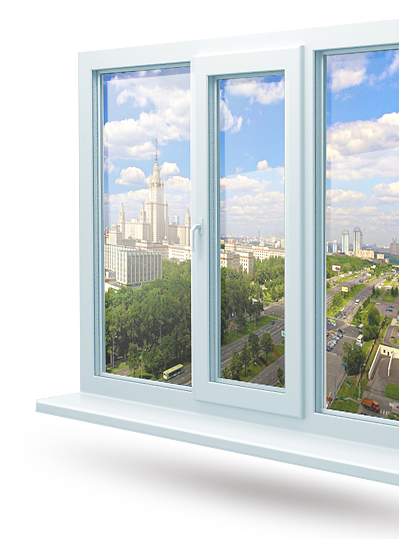
- Combined fixed + operable sash gives ventilation without sacrificing the panorama.
- Sliding or lift-and-slide systems are used when large opening widths are required.
Installation and service: what to watch
- Proper reinforcement and secure anchoring are critical; follow building codes and manufacturer instructions.
- Thermal movement: large frames need allowances for expansion and may require slip joints or tailored hardware settings.
- Regular maintenance of hardware and gaskets prevents sagging and drafts.
Practical recommendations
- Minimum recommended profile depth: 70–82 mm for large windows.
- Single sash wider than 1.2–1.5 m requires reinforced inserts and verified hardware.
- In cold climates choose 7-chamber systems and triple glazing with warm-edge spacers.
- Consider hybrid solutions: PVC profiles with external aluminum cladding for added protection and stiffness.
FAQ — common questions
What is the maximum sash size for PVC profiles?
Maximum sash size depends on the system and reinforcement. With correct steel inserts and hardware, sash widths of 1.5–2.5 m and heights up to 3 m are feasible. For very large dimensions stationary glazing or sliding systems are often used.
Is steel reinforcement always necessary?
Yes, for large windows reinforcement is required to maintain geometry and resist wind loads.
Can a standard 3-chamber profile be used?
A 3-chamber profile may work for modestly large windows but is less optimal. For better thermal and mechanical performance, choose 5+ chamber systems and increased depth.
Which matters more: profile or glazing?
Both matter equally. The profile provides structural capacity and installation interface; glazing determines thermal and acoustic comfort. The ideal solution is reinforced profile + multi-chamber IGU with warm-edge spacers.
Can PVC be combined with aluminum?
Yes. An aluminum cladding or sleeve enhances external protection, increases rigidity and offers design flexibility.
Conclusion
Choose profiles with at least 70 mm depth, 5–7 (or more) chambers, mandatory reinforcement and the ability to accept thick IGUs (36–52 mm). Pay attention to rated hardware, sealing systems and professional installation. This combination ensures long-term performance, energy efficiency and safety for large windows.
DK-Logi blog topics and categories
Useful articles about PVC windows, blinds, and practical advice for your home.

GET A FREE WINDOW COST ESTIMATE!
Leave a request, and we will contact you to arrange a free measurement and provide a full cost estimate.
Your name
Your phone number *
Your e-mail
File
Choose file
Comment (e.g., window sizes, quantity, preferred profiles)
2025 © All rights reserved