WINDOWS


Date added: 18.11.26
Which profiles are suitable for series 103
Introduction
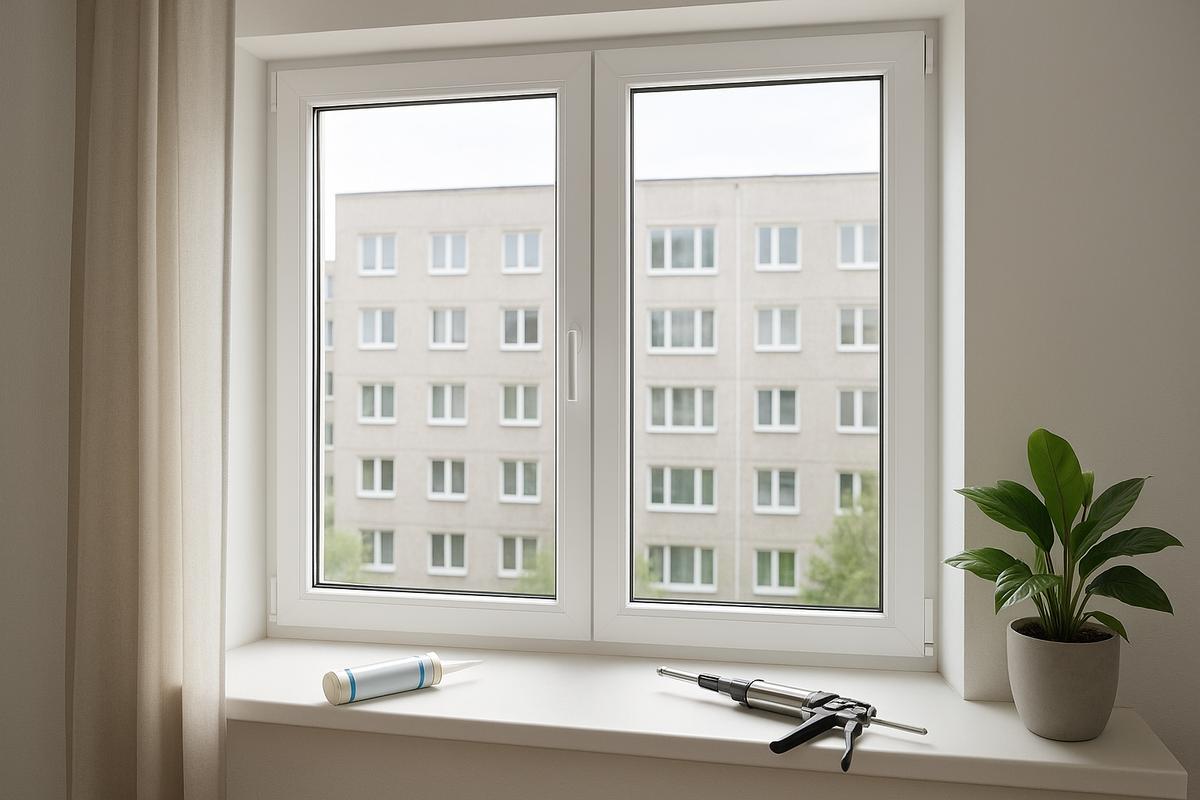
Series 103 panel buildings are a common type of Soviet-era apartment block. When replacing old wooden or plastic windows, it's important to choose a PVC profile that fits the opening dimensions, improves thermal and acoustic performance, and suits your budget.
Typical features of series 103
- Openings are usually of medium depth and width with relatively narrow reveals.
- Flat external walls without large architectural elements.
- Often necessary to keep the existing sill depth and facade appearance.
Recommended profile types
The right profile depends on whether your priority is cost, energy efficiency, sound insulation, or appearance.
1) 5-chamber profile, 60 mm construction depth
- Advantages: affordable, adequate stiffness for standard sash sizes.
- Best for: budget-friendly replacement without major energy upgrades.
- Outcome: clear improvement over old wooden frames, moderate thermal performance.
2) 6–7-chamber profile, 70–76 mm construction depth
- Advantages: better thermal and acoustic insulation; supports heavier glazing units (triple-glazed units, 48–52 mm).
- Best for: full renovation, reducing heating costs and improving comfort.
- Outcome: significant reduction of heat loss and outside noise.
3) Slim profiles (48–55 mm)
- Advantages: visually thinner frames, more glass area.
- Best for: when maximum daylight and appearance are priorities, but not insulation.
- Risks: poorer thermal and sound insulation.
Glazing options: double vs triple glazing
- Double-glazed units (two panes) are a balanced choice for apartments: cost-effective with acceptable insulation.
- Triple-glazed units are recommended for façades facing busy roads or cold exposure; they require wider profiles and stronger reinforcement.
Reinforcement and hardware
- Steel reinforcement within the frame is mandatory for large sashes and balcony doors.
- Hardware with micro-ventilation and multi-point locking improves tightness and security.
- Consider anti-burglary class and durable fittings for lower floors.
Installation considerations for series 103
- Installation joint: recommended 20–30 mm width with layered sealing (internal vapor barrier, foam, external sealant).
- Installation position: usually in the reveal; check reveal condition and depth before choosing profile depth.
- Fixing: anchor plates or dowels depending on wall material.
- Sill slope: ensure outward slope and proper drainage using exterior sealing details.
Additional practical tips
- If the building faces a noisy street — prioritize 70–76 mm profiles with triple glazing.
- For windy exposures, use high-quality EPDM seals and reinforced fittings.
- If the budget is limited — a 60 mm 5-chamber profile with a double-glazed unit is the sensible minimum.
- Always consider the allowable sash sizes and weights for chosen fittings.
Typical costs and what is included
- Price depends on profile depth, glazing, hardware, and installation complexity. Typical tiers:
- 60 mm + double glazing — budget option;
- 70 mm + double/triple glazing — mid-range;
- 70–76 mm + triple glazing + reinforcement — premium upgrade.
- Installation usually includes removal of old windows, disposal, frame installation, sill fitting, and sealing of joints.
FAQ — Common questions
Can I install a 70 mm profile instead of my old narrow frame?
Yes, if the reveal depth and opening allow it — minor adjustments to the sill or reveals may be required.
Do I need permission to replace windows in a series 103 building?
If the façade appearance is not changed (colour and form kept), replacement inside the apartment usually doesn’t require special permits. External alterations often require approval from the building management or local authority.
How long does window replacement take?
A standard apartment typically takes 1–3 working days depending on number and complexity of openings.
Which profile is best for a second-floor apartment near a busy road?
A 70–76 mm profile with triple glazing and additional soundproofing measures is recommended.
What matters more: profile or glazing?
Both matter, but the glazing unit largely defines thermal and acoustic performance; the profile provides structural support and long-term durability.
Conclusion
For series 103 apartments, the best choice balances budget and performance: a 60 mm 5-chamber profile is an economical, reliable option; 70–76 mm profiles with multi-chamber construction and triple glazing are recommended for maximum comfort and energy savings. Consult a professional installer to match profile depth, hardware, and installation method to the specific opening and façade conditions.
DK-Logi blog topics and categories
Useful articles about PVC windows, blinds, and practical advice for your home.

GET A FREE WINDOW COST ESTIMATE!
Leave a request, and we will contact you to arrange a free measurement and provide a full cost estimate.
Your name
Your phone number *
Your e-mail
File
Choose file
Comment (e.g., window sizes, quantity, preferred profiles)
2025 © All rights reserved