WINDOWS


Date added: 28.06.26
Which windows are best for a one-story house
Which windows are best for a one-story house
Introduction
Choosing windows for a one-story house requires balancing thermal performance, noise reduction, security, and budget. In the Baltic climate (cold winters and cool summers), priority goes to energy efficiency, airtight installation, and durability. This guide explains the best PVC window options, glass unit choices, opening types, installation tips, and maintenance advice.
Summary (6–10 points)
- Choose energy-efficient insulated glass units (double or triple) depending on climate and budget.
- A 5-chamber PVC profile provides good thermal insulation; 3-chamber profiles are more budget-friendly.
- Warm-edge spacers and argon gas improve thermal performance and reduce condensation.
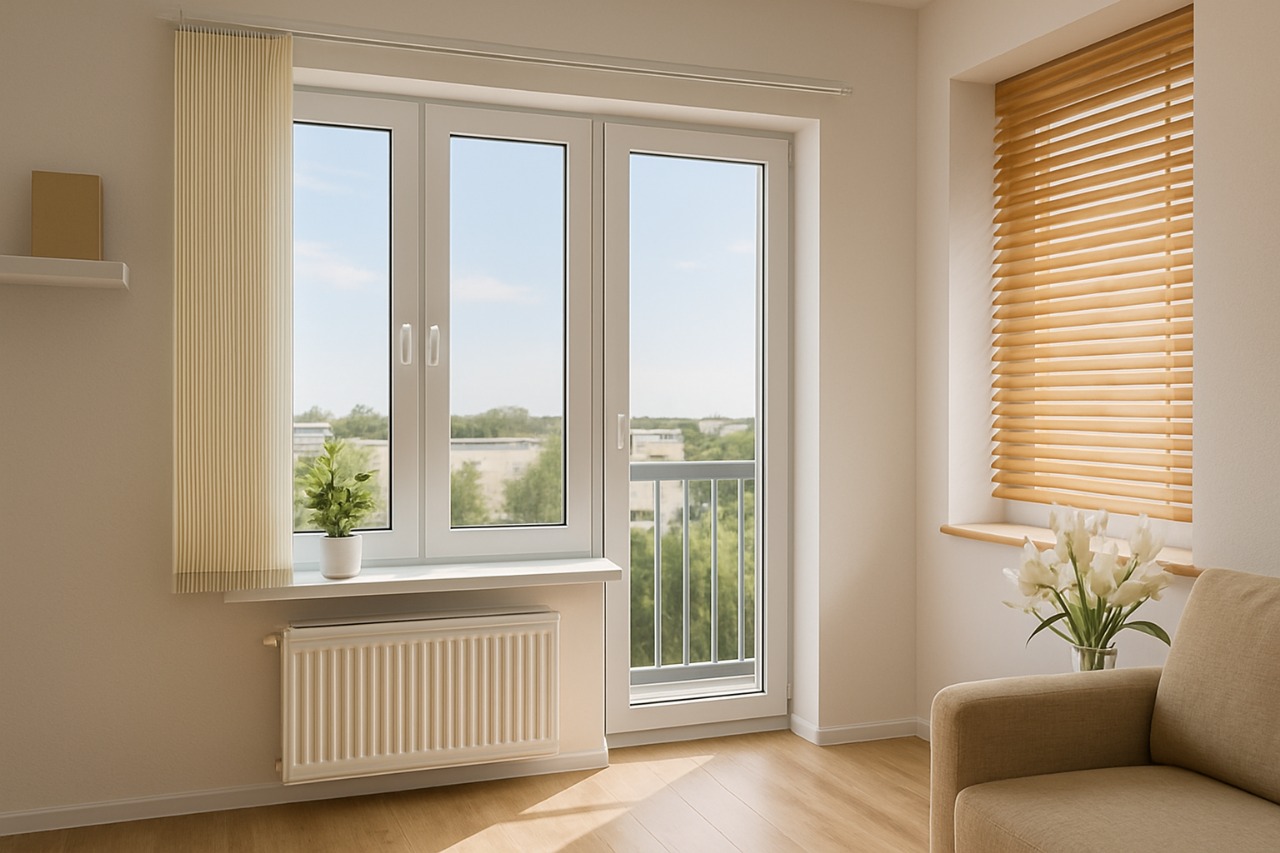
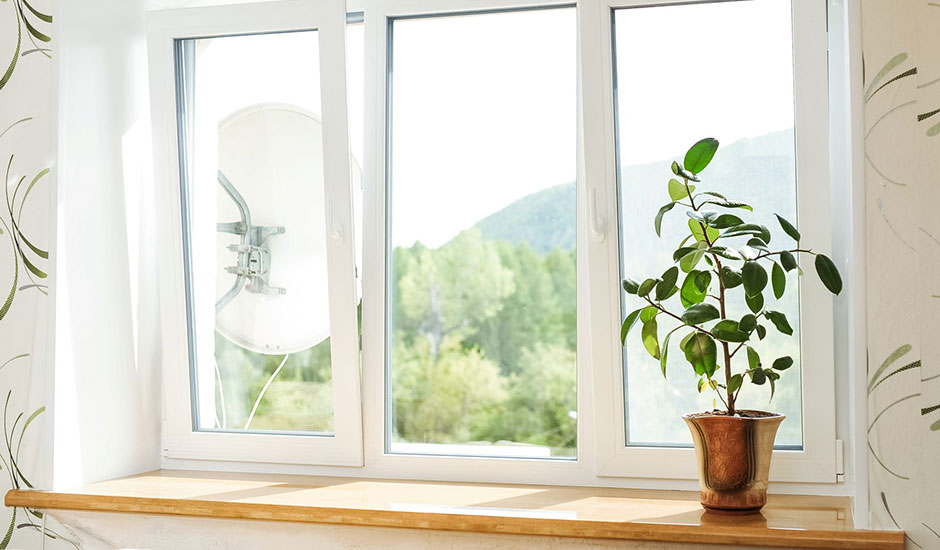
- Tilt-and-turn windows are versatile and practical for single-story houses.
- Proper installation (sealing, vapor and water barriers) is critical for performance.
- Consider laminated or colored profiles to match the house facade.
1. Glass unit types
- Double glazing with low-E coating and argon filling is the best value for most one-story homes and offers good thermal performance.
- Triple glazing increases thermal and acoustic insulation and is worth considering on north-facing facades or for passive-house standards.
- Warm-edge spacers and high-quality seals reduce heat loss and condensation risk.
2. PVC profile and build
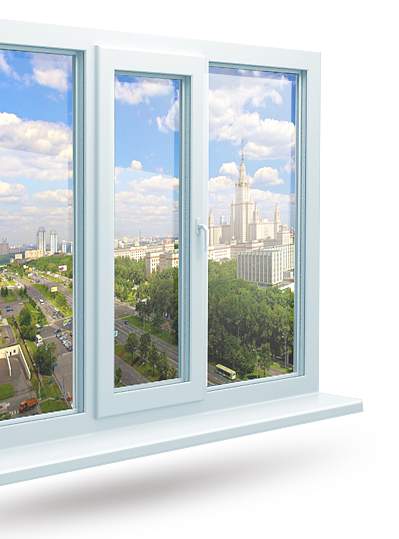
- A 5-chamber profile is the common choice for energy-efficient PVC windows; it delivers a good balance of insulation and rigidity.
- 3-chamber profiles are cheaper but have lower thermal resistance.
- Reinforcement (steel or composite) in the frame is necessary for large openings to prevent deformation.
3. Opening types and functionality
- Tilt-and-turn windows combine ventilation and secure micro-ventilation, and make cleaning easier.
- Side-hung (casement) windows are simple and solid, suitable for larger window units.
- Sliding windows are useful for terraces but typically offer lower airtightness and insulation.
4. Noise reduction and security
- For houses near roads, choose glass combinations with different thicknesses and laminated glass where needed.
- Multi-chamber profiles and high-quality seals help reduce external noise.
- Security fittings with multiple locking points increase safety, especially for ground-level windows.
5. Insulation and installation
- Professional installation is essential: correct gap width, layered vapor and water barriers, and proper foam usage are crucial.
- Poor installation creates thermal bridges and leads to condensation and heat loss regardless of window quality.
- For a one-story house, pay attention to sills and exterior reveals to prevent moisture and frost damage.
6. Maintenance and operation
- PVC profiles require minimal maintenance: regular cleaning with mild detergent and water.
- Lubricate hardware annually and inspect seals for elasticity and wear.
- Adjust or service fittings if drafts or leakage appear.
7. Design and extras
- Match window size and placement to the house orientation: large south-facing glazing for daylight and passive gain; smaller openings on the north.
- Use laminated finishes or wood-look foils for a natural appearance.
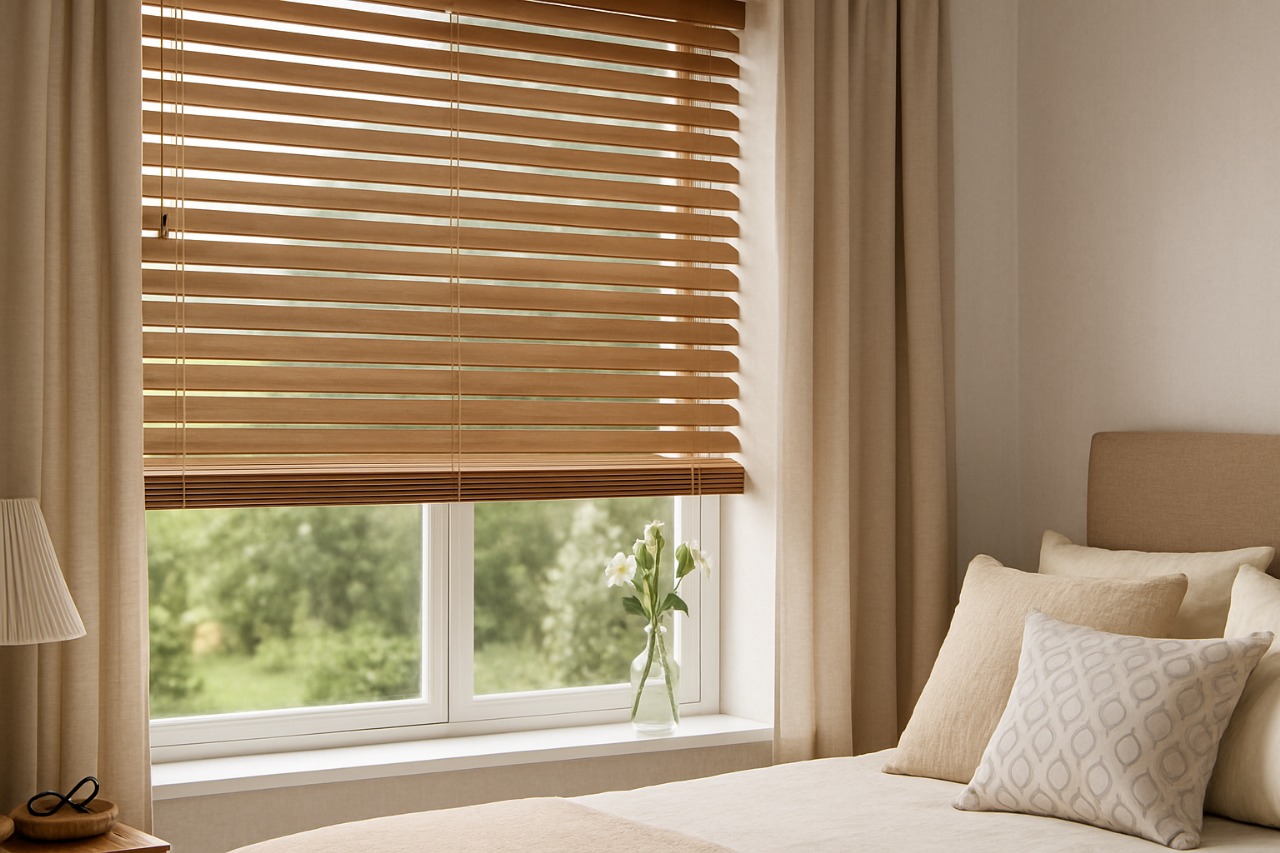
- Optional extras: integrated blinds, insect screens, micro-ventilation locks.
8. Cost and payback
- Double glazing with a 5-chamber profile is the best cost-performance compromise.
- Triple glazing raises the price but can reduce heating costs in colder regions.
- Payback depends on house insulation, energy prices, and installation quality.
Frequently Asked Questions (FAQ)
Is a 5-chamber profile better than a 3-chamber one?
Yes, a 5-chamber profile generally offers superior thermal insulation and is recommended for Baltic climates. A 3-chamber profile can be chosen for budget projects but will perform worse in thermal resistance.
Do I need triple glazing for a one-story house?
Not always. Double glazing with low-E coating and argon is often sufficient for standard houses. Triple glazing is beneficial for passive houses or very cold, exposed facades.
Which opening type is best for a one-story home?
Tilt-and-turn windows are usually the most practical, offering secure ventilation and easy cleaning. Casement windows are also reliable for larger openings.
How important is professional installation?
Extremely important. Even high-end windows perform poorly if installed incorrectly. Weatherproofing, correct gaps, and layered insulation are essential.
How to care for PVC windows?
Clean with soapy water, lubricate the hardware yearly, check seals, and adjust fittings when necessary.
Conclusion
For a one-story house in the Baltic region, a PVC window with a 5-chamber profile and double low-E glazing filled with argon is often the best choice. Ensure professional installation and choose fittings and finishes that meet your security and aesthetic needs. These steps will provide comfort, energy savings, and long-term reliability.
DK-Logi blog topics and categories
Useful articles about PVC windows, blinds, and practical advice for your home.

GET A FREE WINDOW COST ESTIMATE!
Leave a request, and we will contact you to arrange a free measurement and provide a full cost estimate.
Your name
Your phone number *
Your e-mail
File
Choose file
Comment (e.g., window sizes, quantity, preferred profiles)
2025 © All rights reserved