WINDOWS


Date added: 23.06.26
Which windows are best for a summer house
Which windows are best for a summer house
Choosing windows for a summer house depends on how you use the property: a seasonal retreat, a frequently visited weekend home, or a year-round cottage. Consider ventilation, insect protection, durability in humid conditions, and ease of maintenance.
Key factors to consider
- Purpose: seasonal (unheated) or heated summer house. Seasonal houses can use more economical solutions; year-round use requires better insulation.
- Local climate and wind exposure: in Latvia moisture resistance and stable seals are important.
- Ventilation: tilt modes, micro-ventilation or vents help prevent damp and mold.
- Insect and sun protection: mosquito screens, roller shutters, awnings or interior blinds.
- Budget and life span: mid-range PVC profiles with good hardware usually offer best value.
Glass units and insulation
- Single-chamber double glazing (e.g., 4-16-4) — cost-effective for seasonal use.
- Double-chamber units (three panes) — recommended for heated cottages to reduce heat loss and noise.
- Argon filling and warm-edge spacers increase thermal performance.
- Low-E coatings are useful for heated houses but add cost.
- Tempered or laminated glass can be chosen for high-risk areas or where extra safety is needed.
Frame material and profile
- PVC frames are the most practical choice for summer houses: low maintenance, moisture-resistant. Choose 3–5-chamber profiles with quality seals.
- Wooden frames are attractive but require regular maintenance and protection from moisture.
- Aluminum is durable and slim but needs thermal breaks to perform well in cold periods.
Hardware and opening types
- Tilt-and-turn windows are versatile: they offer full ventilation and are easy to clean.
- Sliding windows save space but have slightly lower airtightness.
- Casement (swing) windows are simple and reliable.
- Look for micro-ventilation, opening restrictors for child safety, and durable hinges and locks.
Sun protection and insect screens
- Mosquito nets are essential for any summer house.
- External roller shutters protect against weather, sun and offer security when the house is unoccupied.
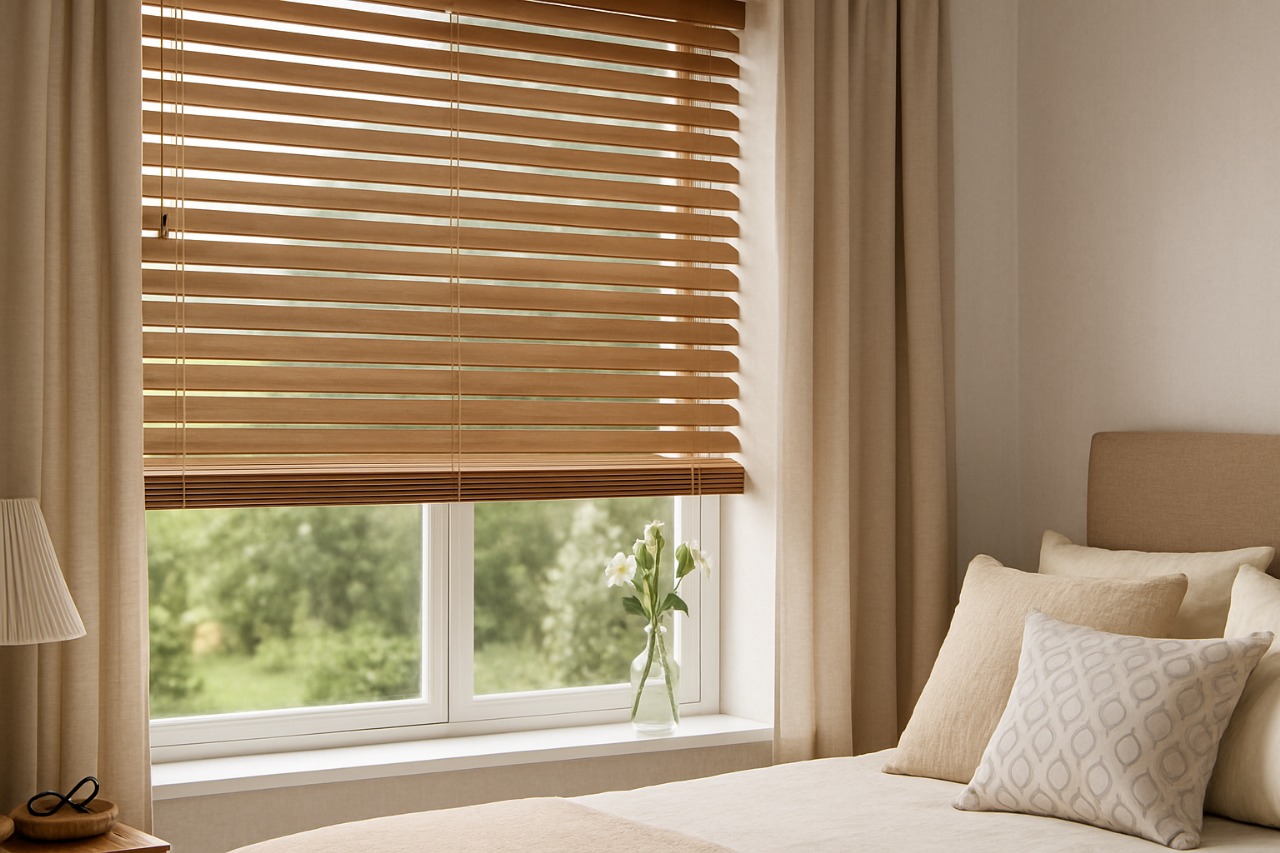
- Interior blinds or roller shades provide a quick and affordable way to control light and privacy.
Installation and maintenance
- Proper installation with correct sealing and moisture drainage is crucial. Poor installation leads to drafts, damp, and heat loss.
- Check seals and drain holes periodically; lubricate moving parts once or twice a year.
- Before long absences or winter storage, remove and clean insect screens and secure shutters.
DK-Logi recommendations (brief)
- Seasonal summer house: PVC frame + single-chamber double glazing 4-16-4, mosquito screens, optional external shutters.
- Year-round cottage: 5-chamber PVC profile + double-chamber glazing, argon fill and Low-E, premium hardware.
- Always use professional installation and ensure ventilation.
Frequently asked questions
Q: Do I need Low-E glass for a summer house?
A: For purely seasonal, unheated houses Low-E is optional. For heated cottages Low-E plus argon improves energy efficiency.
Q: Which glass unit reduces condensation best?
A: Double-chamber units with warm-edge spacers and argon filling reduce internal condensation.
Q: Are external roller shutters useful?
A: Yes — they add security, weather protection and reduce solar gain when the house is empty.
Q: How to maintain PVC windows at a summer house?
A: Clean frames with mild detergent, clear drain holes, check seals, and lubricate hardware annually.
Q: How long do budget PVC windows last?
A: With good installation and care, 15–25 years, depending on quality and exposure.
Q: Should I insulate window openings on a summer house?
A: Yes. Even seasonal houses benefit from sealed and insulated window reveals to prevent damp and structural issues.
DK-Logi blog topics and categories
Useful articles about PVC windows, blinds, and practical advice for your home.


GET A FREE WINDOW COST ESTIMATE!
Leave a request, and we will contact you to arrange a free measurement and provide a full cost estimate.
Your name
Your phone number *
Your e-mail
File
Choose file
Comment (e.g., window sizes, quantity, preferred profiles)

2025 © All rights reserved