WINDOWS


Date added: 24.09.26
Which windows are best for fitness centers
Which windows are best for fitness centers
Introduction
Fitness centers have specific requirements: high humidity, frequent use, varied noise levels, and a need for a comfortable interior environment. Choosing the right windows affects comfort, energy costs, acoustic conditions, and safety. This guide explains what to look for in glass, frames, ventilation, and shading solutions for gyms and studios.
Key requirements for fitness center windows
- Strength and safety — tempered or laminated impact-resistant glass.
- Sound insulation — to keep music and training noise from disturbing neighbors and other rooms.
- Thermal insulation — for lower heating and cooling costs.
- Corrosion-resistant hardware and moisture-tolerant seals.
- Good ventilation compatibility — windows with micro-ventilation or integration with mechanical ventilation.
- Easy maintenance and resistance to cleaning agents.
Glass and insulating units
- Single-pane or single-chamber units are rarely sufficient for commercial fitness spaces.
- Double-glazed (two-chamber) insulating glass units provide a good balance of cost and insulation.
- Laminated or tempered glass improves safety: shattered pieces remain on the film or break into small blunt fragments.
- Gas fills like argon or krypton improve thermal performance.
- Low-E coatings reduce heat loss and enhance energy efficiency.
Profiles and frames
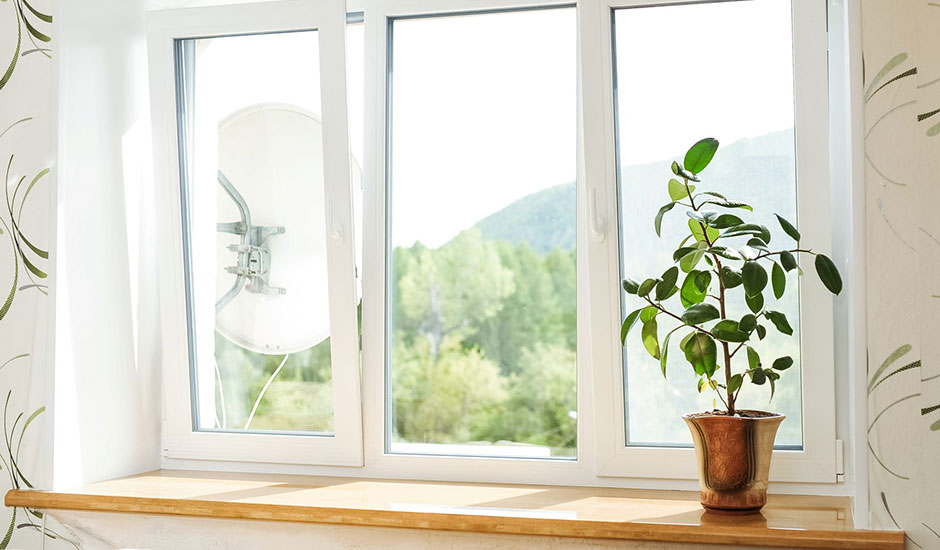
- PVC profiles with a 70 mm construction depth or more offer better thermal and acoustic performance.
- Reinforced steel inserts in frames increase rigidity and durability of sashes.
- Quality gaskets and proper sealing prevent moisture ingress and thermal bridging.
- Light-colored finishes look modern and help maintain a bright interior.
Ventilation and indoor climate control
- Windows with micro-ventilation are useful for short-term fresh-air intake.
- Best practice is integrating windows with a supply-exhaust ventilation system with heat recovery to control humidity and odors.
- Consider compatibility with trickle vents and humidity sensors.
Acoustic insulation
- Acoustic performance depends on glass thickness, cavity size, and differing pane thicknesses to dampen sound.
- High-quality seals and precise installation eliminate sound leaks.
- For studios with loud music or group classes, consider specialized acoustic glazing.
Shading: blinds and roller shades
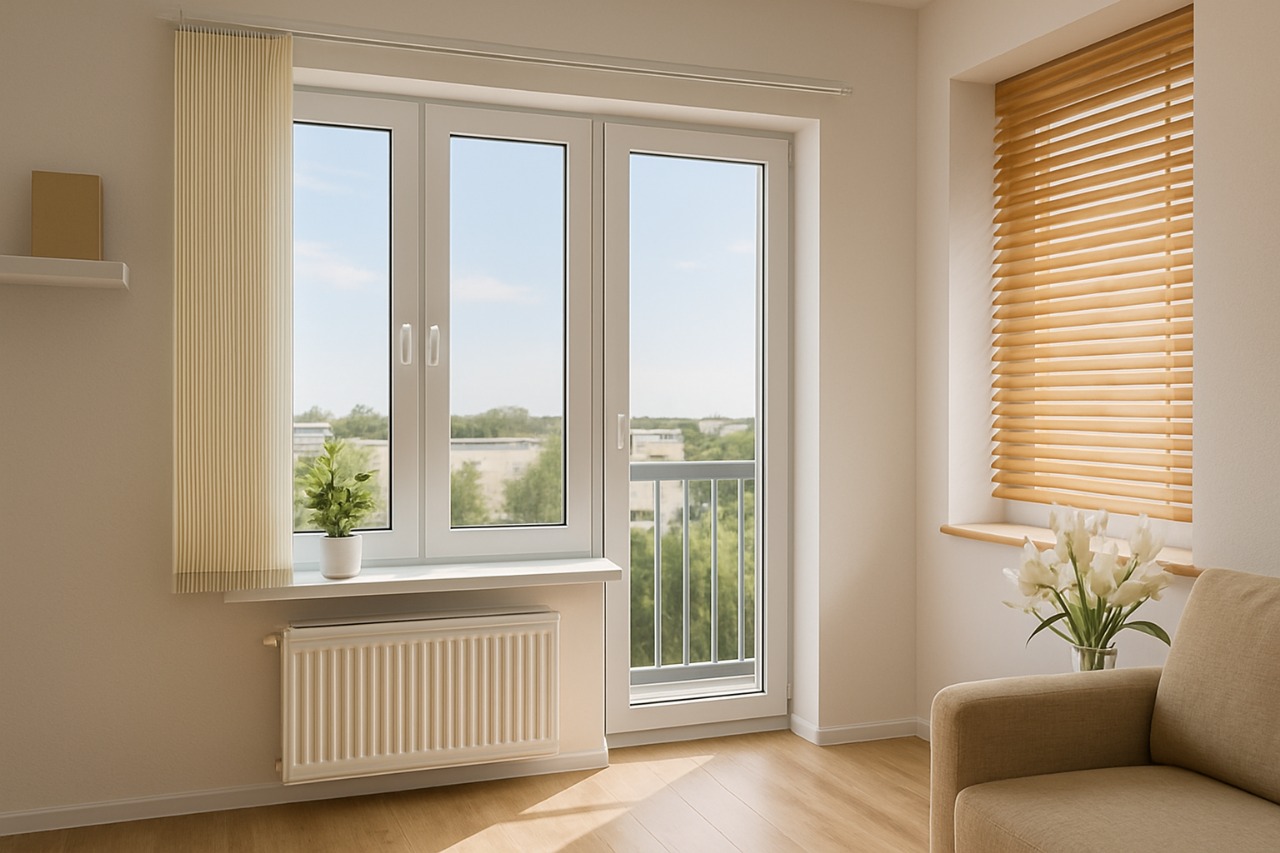
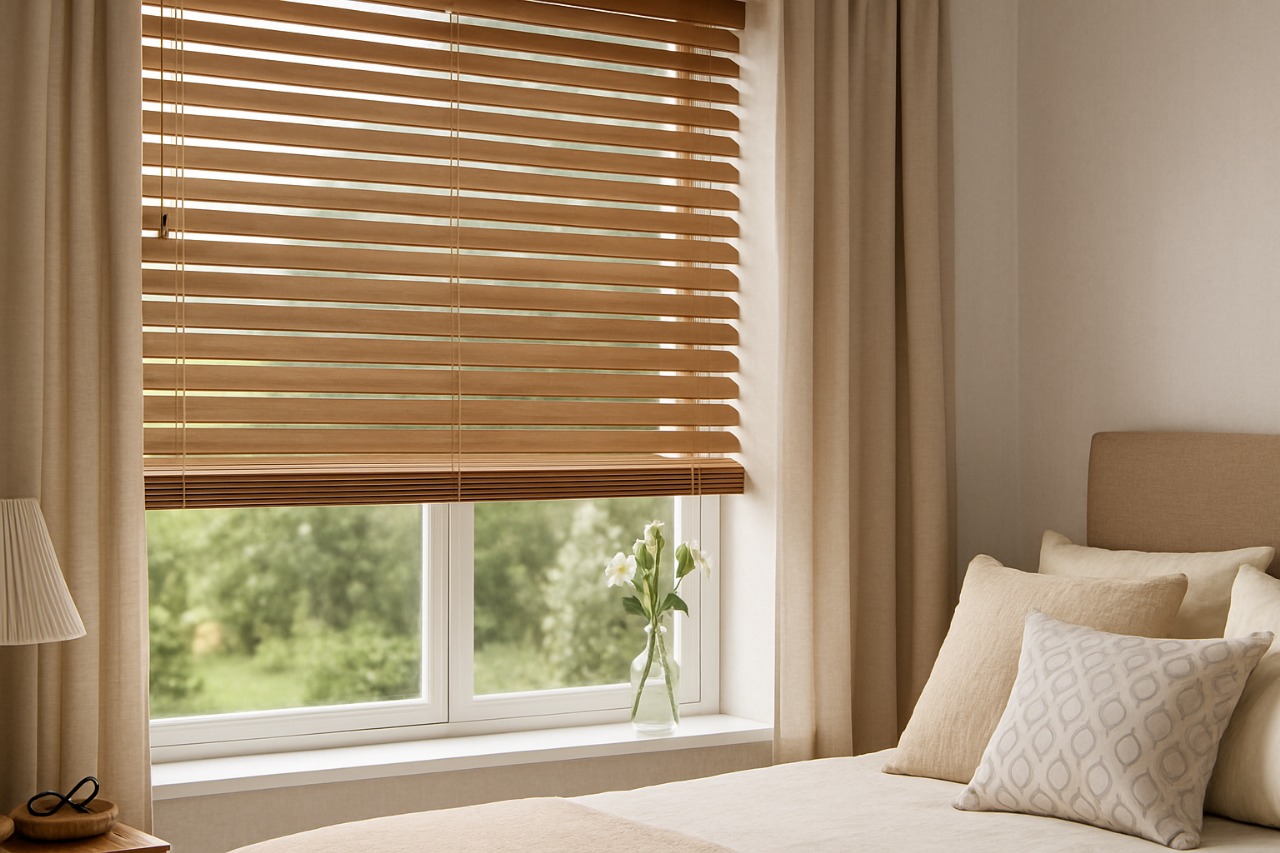
- Roller shades and blinds help control glare and protect flooring and equipment from UV damage.
- For fitness centers, moisture-resistant and washable fabrics are recommended.
- Vertical blinds are practical for large facade windows and allow directional light control.
Safety and accessibility
- Limiters on opening mechanisms are important for low-level glazing or large panes.
- Concealed and robust hardware reduces the risk of vandalism and accidental damage.
- Consider safe clearances from exercise equipment when choosing window placement and opening type.
Installation and maintenance
- Professional, accurate installation is essential: airtightness, level mounting and correct sealing ensure performance.
- Schedule annual checks of fittings and seals; replace worn gaskets promptly.
- Use corrosion-resistant components and water-repellent coatings in humid areas.
FAQ
Which glass prevents condensation best?
Multi-chamber IGUs with inert gas fills (argon) and proper sealing, combined with adequate ventilation, significantly reduce condensation.
Do fitness centers need burglary-resistant windows?
Street-facing facades and ground-floor windows often benefit from laminated or burglary-rated glazing for added security.
Is 60 mm or 70 mm profile better?
A 70 mm profile generally provides superior thermal and acoustic performance and is preferable for frequently used commercial spaces.
How to protect windows from humidity and chlorine (in pools)?
For pool-adjacent areas, choose PVC profiles and fittings rated for high humidity and chlorine exposure, with additional ventilation and dehumidification.
Are roller shades better than vertical blinds?
Roller shades are compact and moisture-resistant; vertical blinds offer more precise light direction for large windows. Choice depends on layout and daylight control needs.
What warranty should be expected for commercial installations?
Commercial clients should expect a minimum 5-year warranty on profiles and fittings and 2–5 years on IGUs depending on the manufacturer.
Quick recommendations
- Choose double-glazed units with tempered or laminated glass.
- Use 70 mm or deeper profiles with steel reinforcement.
- Integrate ventilation with heat recovery to manage humidity and odors.
- Select moisture-resistant roller shades or blinds for sun control.
- Ensure professional installation and annual maintenance checks.
Properly selected windows improve comfort, safety and operating costs in fitness centers. Make decisions based on the specific activities, layout and local climate.
DK-Logi blog topics and categories
Useful articles about PVC windows, blinds, and practical advice for your home.

GET A FREE WINDOW COST ESTIMATE!
Leave a request, and we will contact you to arrange a free measurement and provide a full cost estimate.
Your name
Your phone number *
Your e-mail
File
Choose file
Comment (e.g., window sizes, quantity, preferred profiles)
2025 © All rights reserved