WINDOWS


Date added: 05.09.26
Which windows are best for hotels
Which windows are best for hotels
Choosing windows for a hotel is a balance between sound insulation, security, energy efficiency and appearance. The wrong windows reduce guest comfort, increase heating and cooling costs, and complicate maintenance. This guide explains which window systems and specifications work best for different hotel types: urban business hotels, resort properties, hostels and aparthotels.
Key requirements for hotel windows
- Sound insulation: minimize street noise (pedestrians, traffic, airports). Aim for acoustic performance around Rw 36–40 dB or better in noisy areas.
- Security: anti-intrusion measures, tempered or laminated glazing, optional reinforced units for ground-floor rooms.
- Thermal performance: low U-values for frames and glazing to lower energy bills.
- Maintenance: durable materials, easy-to-replace gaskets and standard hardware for quick repairs.
- Aesthetics and brand fit: frame color, finish, and window dressings should match the hotel’s style.
Profile materials — what to choose
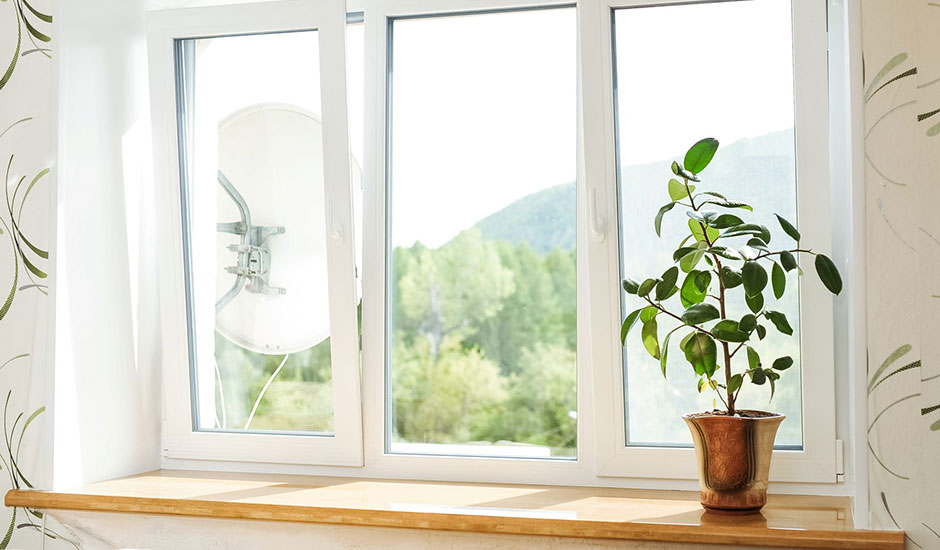
- PVC (uPVC): the most common choice for hotels due to cost-effectiveness, thermal and acoustic properties, and low maintenance. Modern reinforced uPVC profiles withstand intensive use.
- Aluminum: ideal for façades, large windows and contemporary designs. Use thermal breaks to improve insulation.
- Composite systems (aluminum outside, uPVC inside): combine durability and thermal performance, suitable for hotels that need tough exterior resistance with comfortable interiors.
Glazing options: cavities and coatings
- Double-glazed units (two sealed cavities) are frequently suitable for temperate climates — good balance of cost and performance.
- Triple glazing provides improved insulation and reduced noise for colder climates.
- Gas fills (argon, krypton) and Low-E coatings enhance thermal performance and reduce energy costs.
Acoustic insulation — a priority in city hotels
Noise impacts guest reviews more than many other factors. For busy streets consider:
- Multi-chamber profiles, laminated or thick glass layers of varying thicknesses to disrupt resonance.
- High-quality gaskets and precise installation to avoid acoustic leaks.
Safety and regulatory considerations
- Ground floors and accessible windows should have higher anti-burglary ratings (RC2+), laminated glass or additional locking points.
- Emergency egress requirements must be observed; hardware should allow easy opening in emergencies.
Blinds, curtains and light control
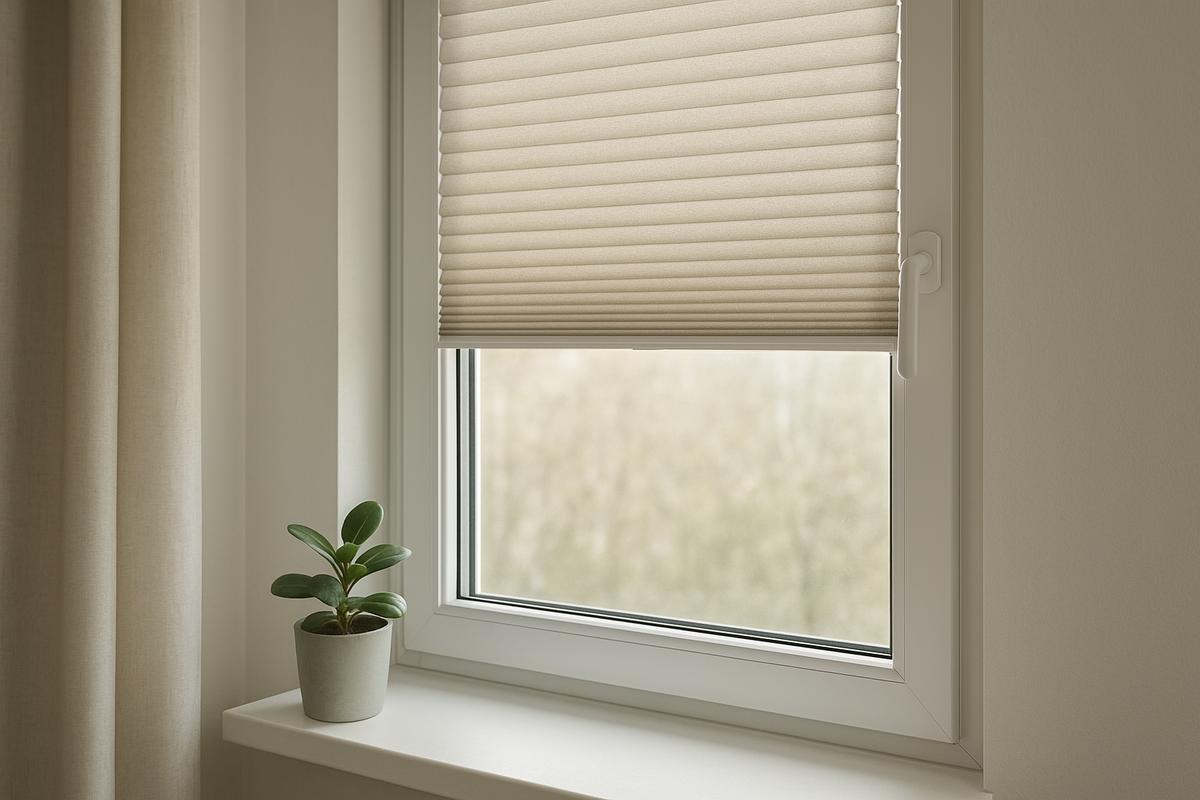
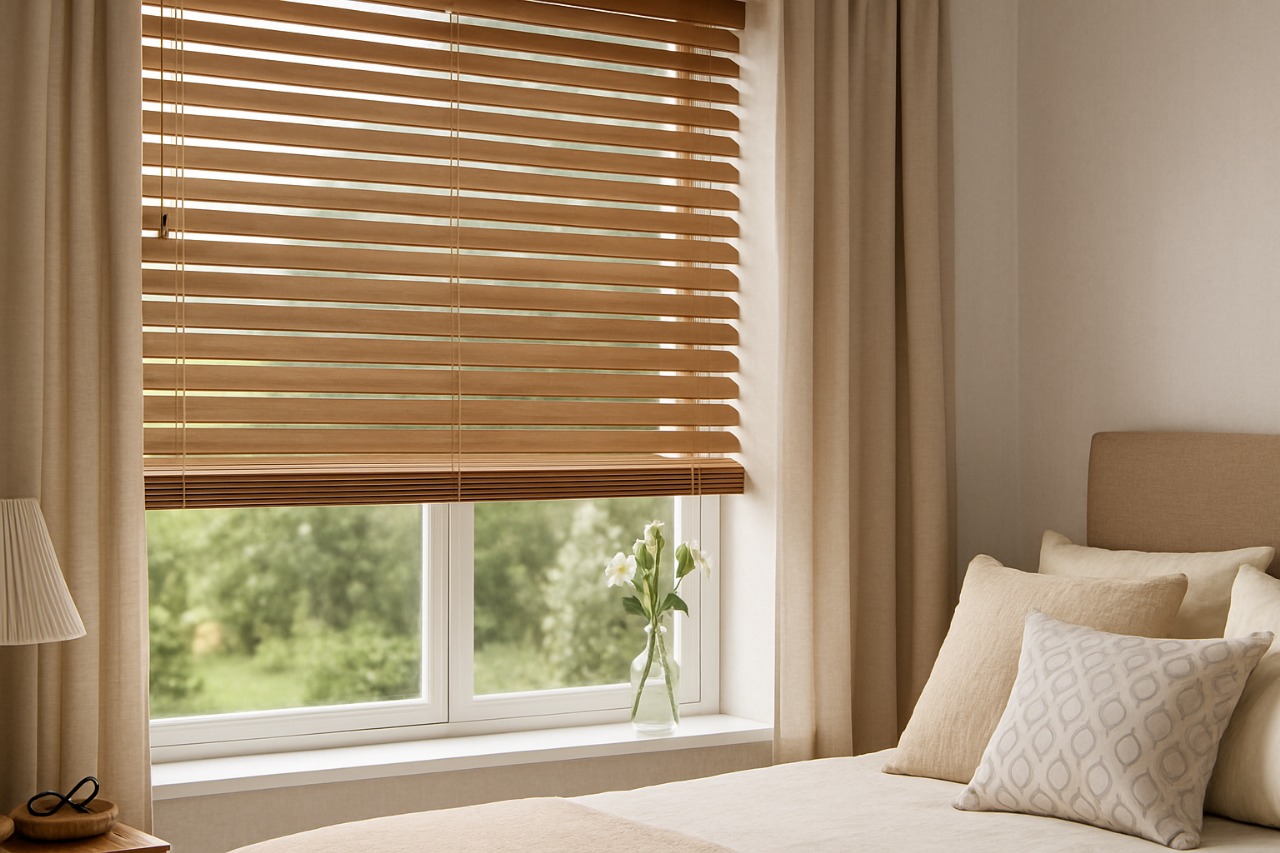
- Hotels need reliable blackout solutions: roller or Roman blinds with blackout linings, or motorized blackout curtains for premium rooms.
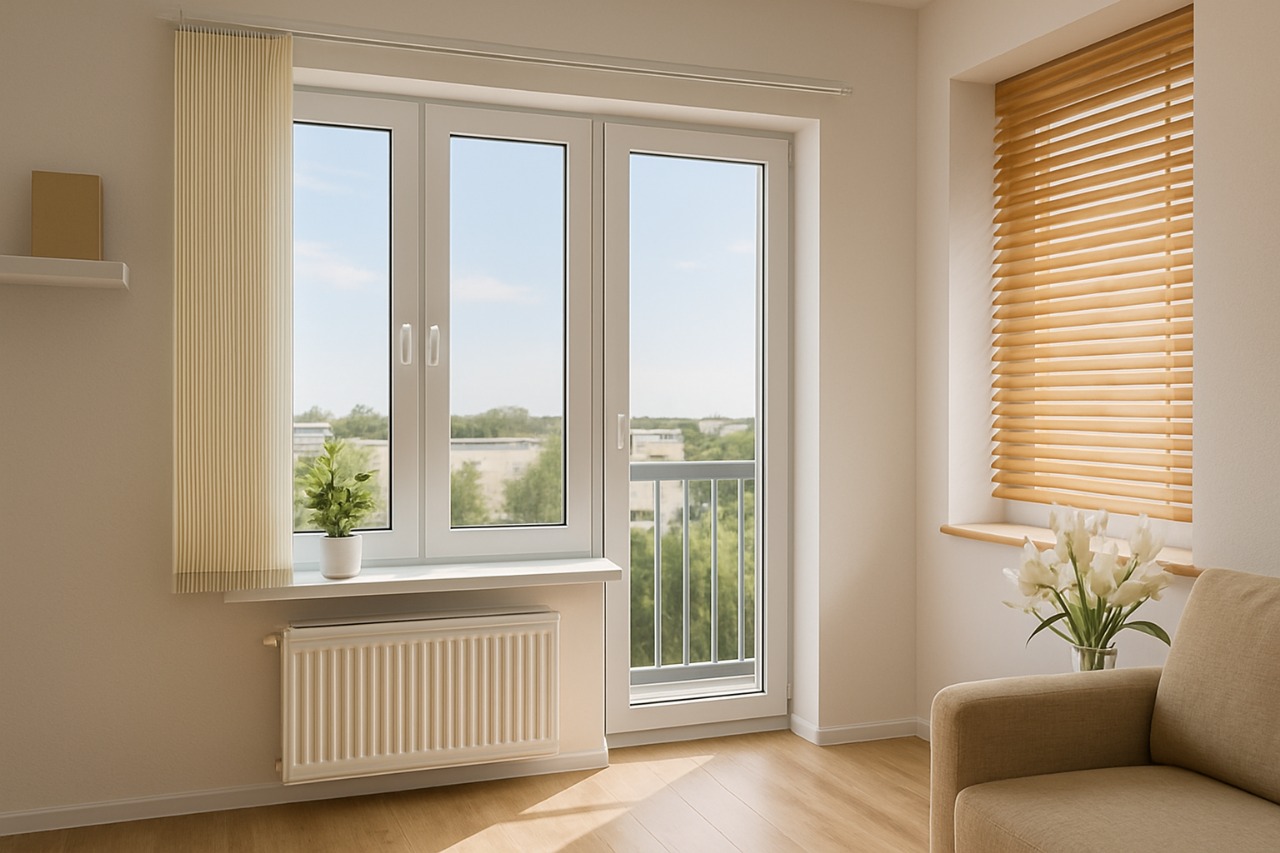
- Vertical blinds are practical for conference rooms and meeting spaces.
- Fabrics must be durable, fade-resistant and easy to clean.
Maintenance and lifecycle costs
- Choose profiles with replaceable seals and widely available hardware to minimize downtime.
- Verify warranty terms for glazing and profiles, and check supplier service response times.
Recommendations by hotel type
- Urban business hotel: reinforced uPVC or composite, double/triple glazing depending on noise, motorized blackout options for suites.
- Resort/coastal hotel: anodized or coated aluminum or composite exteriors to resist corrosion, larger glazing areas, attention to wind loads.
- Boutique hotel: customized frames and finishes, larger glazed elements for style while ensuring thermal and acoustic performance.
Practical checklist for procurement
- Request performance certificates for thermal (Uw) and acoustic (Rw) metrics.
- Ask for sample profiles and glazing cross-sections.
- Confirm availability of spare parts and on-site service.
- Plan installation to minimize guest disturbance and ensure sealing quality.
FAQ
Should all rooms have laminated or reinforced glass?
Not always. Reinforced or laminated glass is most important on lower floors or in areas with higher security needs. For upper floors, standard tempered glass with good frame security is usually sufficient.
How much does profile type affect soundproofing?
Profile is part of the solution — combined with glazing composition, gasket quality and installation technique. A multi-chamber profile with tight seals improves overall acoustic performance.
Are motorized blinds worth the investment?
Yes for premium segments and meeting rooms. They improve guest experience and can contribute to energy savings when integrated with building controls.
Summary
- Reinforced uPVC with double or triple glazing is optimal for many hotels.
- Acoustic and thermal performance are primary selection criteria.
- Aluminum or composite systems suit large façades and coastal locations.
- Low-E glazing and gas fills enhance energy efficiency.
- Increased intrusion resistance recommended for ground-floor rooms.
- Blackout roller or Roman blinds are practical for guest rooms.
- Motorization is recommended for premium offerings and conference facilities.
DK-Logi blog topics and categories
Useful articles about PVC windows, blinds, and practical advice for your home.

GET A FREE WINDOW COST ESTIMATE!
Leave a request, and we will contact you to arrange a free measurement and provide a full cost estimate.
Your name
Your phone number *
Your e-mail
File
Choose file
Comment (e.g., window sizes, quantity, preferred profiles)
2025 © All rights reserved