WINDOWS


Date added: 10.05.26
Which windows are best for kitchens
Which windows are best for the kitchen: practical guidance
The kitchen has specific demands: higher humidity, cooking vapors, grease and frequent temperature changes. When choosing windows for a kitchen you should consider not only thermal and acoustic performance but also moisture resistance, ease of cleaning and ventilation options.
Key requirements for kitchen windows
- Moisture-resistant frame and hardware. PVC profiles resist humidity and are often preferable to wood in kitchens.
- Easy maintenance. Smooth surfaces without hard-to-reach gaps make cleaning faster.
- Reliable ventilation. A micro-ventilation mode or an air inlet helps to remove smells and moisture.
- Resistance to grease and dirt. Removable mosquito nets and washable blinds are practical.
Opening types: pros and cons
- Tilt-and-turn windows are versatile. They allow full opening for cleaning and both wide and gentle ventilation modes.
- Sliding windows save space and work well for kitchens with limited clearance near counters.
- Top-hung (projecting) sashes are useful for short ventilation bursts but limit access for exterior cleaning.
A common recommendation is a combination: one tilt-and-turn sash plus a fixed or sliding pane.
PVC profile and glazing
- Chamber count: 3–5 chamber systems are common; 5-chamber profiles provide better insulation and quieter rooms.
- Steel reinforcement increases frame rigidity for larger openings.
- A double-glazed unit with Low-E coating balances thermal comfort and reduces condensation. In colder climates consider triple glazing.
- Warm-edge spacers and high-quality sealants reduce perimeter condensation.
Hardware and safety
- Corrosion-resistant fittings are important in a humid kitchen environment.
- Micro-ventilation or a trickle vent provides fresh air without wide-open windows and draughts.
- Child locks and robust handles enhance safety if children are present.
Blinds and sun protection for kitchens
- Roller blinds (cassette type) are practical and easy to clean; they take little space.
- Aluminum horizontal blinds tolerate moisture and are simple to wipe down—good near sinks.
- Roman and fabric curtains are cozy but need frequent washing and should be placed away from direct heat sources.
Choose materials with dirt- and moisture-resistant finishes. Aluminum, PVC and technical fabrics with water-repellent coatings are preferable for kitchens.
Sill and finishing
- A waterproof sill (PVC or composite) withstands regular cleaning and plant pots.
- Replaceable gaskets and seals extend window life and simplify maintenance.
Installation and maintenance
Correct installation with proper waterproofing and sealing of reveals prevents moisture ingress and mold. Annual servicing of fittings and lubrication ensures the mechanisms remain functional.
FAQ
Do I need a ventilation valve in a kitchen window?
Yes. A ventilation valve ensures constant fresh air without opening the window fully and helps remove cooking odors and humidity.
Are fabric or aluminum blinds better for kitchens?
Aluminum blinds and technical roller blinds are easier to maintain and more moisture-resistant. Fabric blinds look better but require regular laundering.
Should I choose a 3- or 5-chamber profile?
A 5-chamber profile offers better energy efficiency and noise reduction, while a 3-chamber frame is a more budget-friendly option suitable for moderate climates.
How to reduce condensation on kitchen windows?
Use energy-efficient glazing (Low-E), warm-edge spacers, ensure proper ventilation and have correctly installed reveals and sealing.
Conclusion
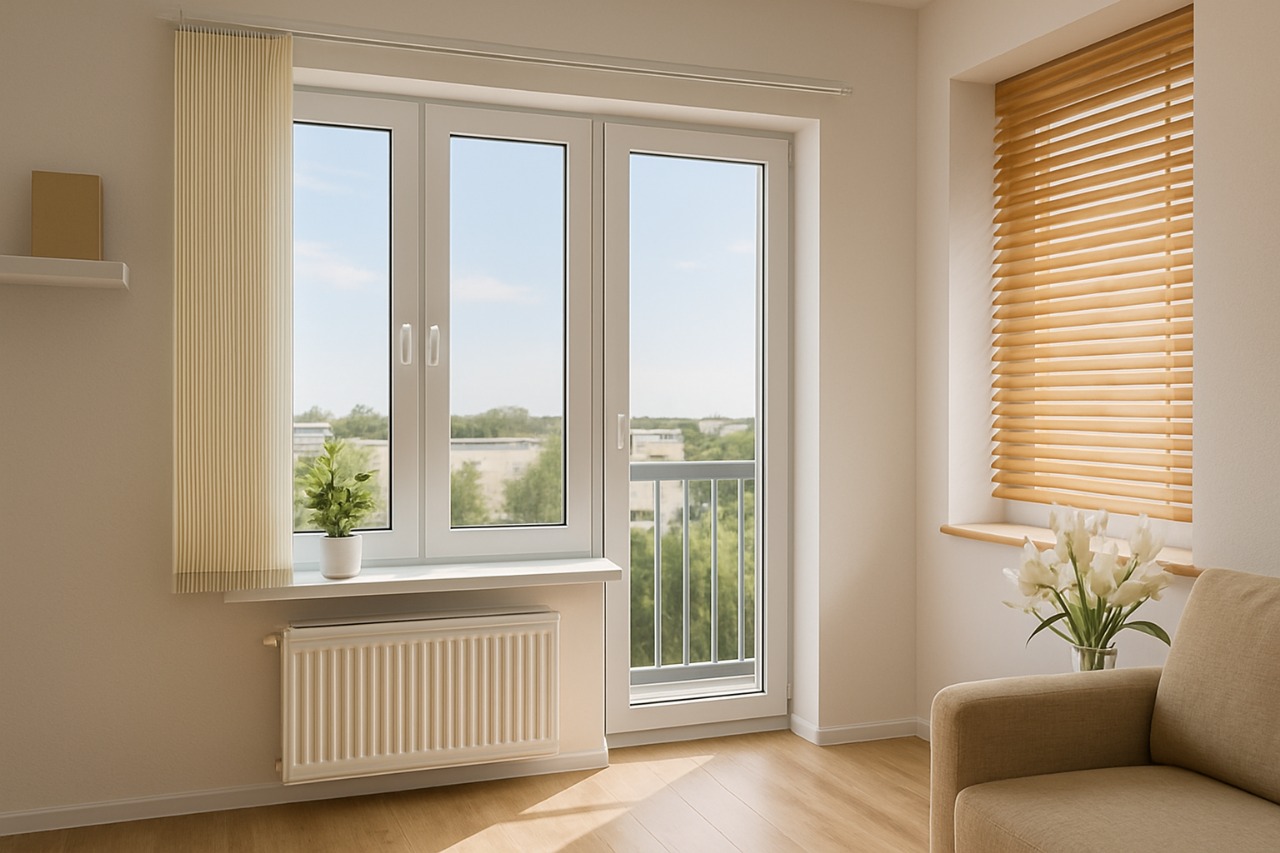
For kitchens, a PVC tilt-and-turn window with a 5-chamber profile (if possible), double glazing with Low-E, corrosion-resistant hardware and micro-ventilation is an excellent, practical choice. Pair windows with washable blinds or aluminum slats and use waterproof sills to simplify maintenance and extend service life.
DK-Logi blog topics and categories
Useful articles about PVC windows, blinds, and practical advice for your home.




GET A FREE WINDOW COST ESTIMATE!
Leave a request, and we will contact you to arrange a free measurement and provide a full cost estimate.
Your name
Your phone number *
Your e-mail
File
Choose file
Comment (e.g., window sizes, quantity, preferred profiles)

2025 © All rights reserved