WINDOWS


Date added: 26.10.26
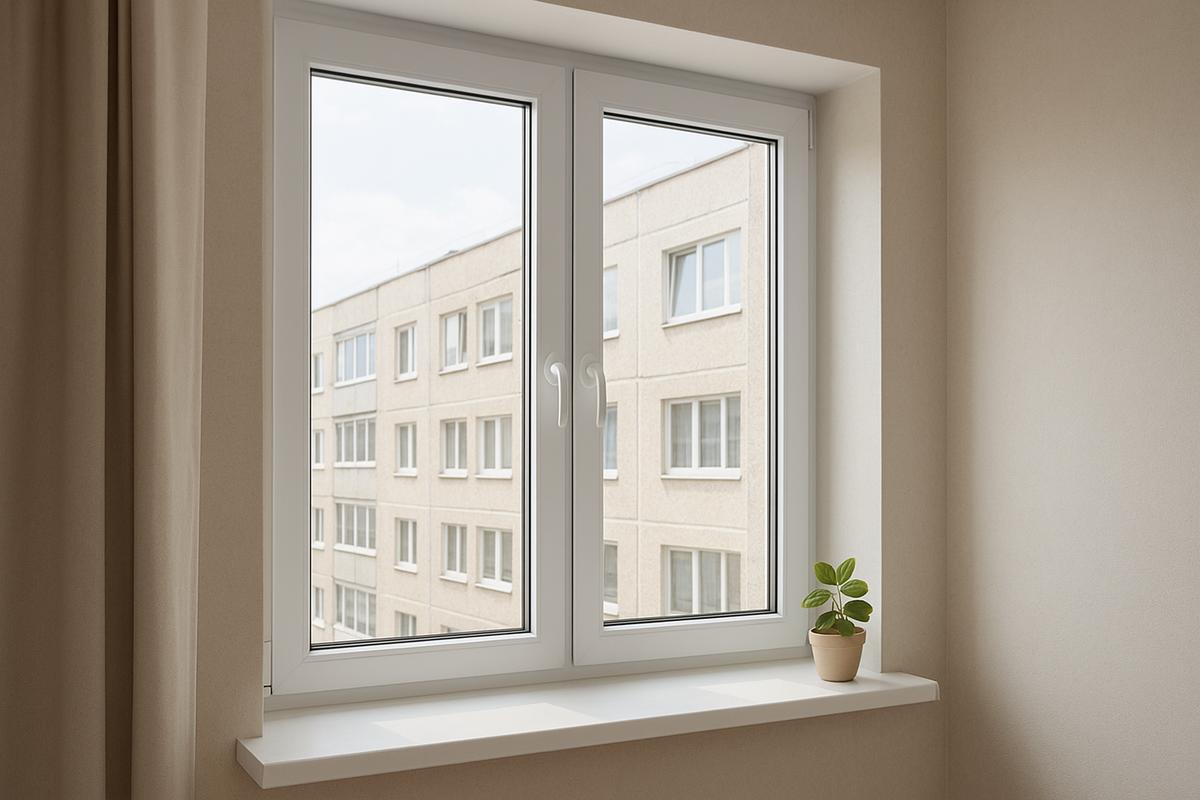
Which windows are best for panel Khrushchyovkas
Introduction
Replacing windows in a Soviet-era panel apartment (Khrushchyovka) requires a balance between maximizing glazing area, providing thermal and acoustic comfort, and following structural constraints. This guide explains which PVC windows and insulated glass units (IGUs) are most suitable for typical panel buildings, and what to consider during selection and installation.
Typical features of Khrushchyovka windows
- Narrow openings and small sills: you may need slim-profile solutions to increase glass area while maintaining strength.
- Thin exterior details and no decorative ledges: the frame should not protrude excessively.
- Potentially uneven openings: professional installation must account for out-of-plumb conditions.
- Climate considerations: cold winters require good thermal performance; urban settings often demand sound insulation.
Recommended profiles and IGUs
- Profile depth 58–70 mm: a 58 mm profile is budget-friendly; 70 mm provides noticeably better thermal and acoustic performance.
- Chamber count: 3–5 chambers in the profile is a good compromise between cost and insulation.
- IGU configuration: for colder climates choose a 2-chamber IGU (three panes) with Low-E coating and argon fill for improved thermal efficiency.
- Warm edge spacer: use a warm-edge spacer to reduce condensation at the glass edge.
Thermal and sound insulation
- Glass thickness and gas fill: thicker outer glass and argon improve both thermal and acoustic performance.
- Laminated glass: recommended for apartments facing busy streets — it increases safety and reduces noise.
- Quality sealing: durable rubber gaskets and multi-chamber profiles reduce drafts and heat loss.
Opening types — practical choices
- Tilt-and-turn windows: the most versatile option — they offer micro-ventilation, easy cleaning, and are practical in tight spaces.
- Sliding systems: suitable for narrow balconies but generally have lower thermal performance.
- Narrow frames and mullions: to increase glass area choose slim sash profiles with minimal imposts.
Ventilation and condensation control
- Micro-ventilation and trickle vents: install inlet vents or use hardware with micro-vent mode to avoid dampness.
- Balcony/loggia insulation: when insulating a loggia, preserve ventilation paths to prevent condensation build-up.
- Sill and slope slope: proper slopes and sealing ensure moisture is directed away from the opening.
Installation: warm vs cold
- Warm installation: the recommended method — includes sealing tape, foam, and inner/outer finishing layers, reducing thermal bridges and condensation risks.
- Leveling the opening: uneven surfaces require shims, mounting plates, and correct anchoring.
- Fixing: anchor through the reinforced profile into prepared anchors for durable fastening.
Hardware and security
- Multipoint locking, anti-burglary fittings, and child safety restrictors are advisable.
- Drainage channels and water management on the sash to prevent leakage into the wall.
Design and finish
- White profiles are economical and timeless.
- Laminated woodgrain finishes add warmth but cost more.
- Check building rules or HOA regulations for exterior appearance requirements.
Frequently Asked Questions
Q: Which profile thickness is best for long-term durability?
A: Choose a profile of at least 70 mm with steel reinforcement from a reputable brand for long-term performance.Q: Is a triple-glazed unit necessary in a Khrushchyovka?
A: In colder climates, a two-chamber IGU (three panes) is usually better than a single-chamber unit and worth the investment.Q: Do I need permission from the building management to replace windows?
A: Many apartment blocks require approval for exterior changes. Check with your HOA or building manager before ordering.Q: How to prevent mold on window reveals after installation?
A: Use warm installation, ensure proper ventilation, and use breathable internal finishes.Q: Sliding or tilt-and-turn — which is better for living rooms?
A: Tilt-and-turn is generally better for living rooms due to ventilation and ease of cleaning. Sliding may suit narrow balconies.Q: Should I insulate the windowsill area?
A: Yes — correct insulation and waterproofing of the sill and reveals are essential for performance.
Summary
- Profile depth 58–70 mm and 3–5 chambers recommended.
- For cold climates choose 2-chamber IGU with Low-E and argon.
- Tilt-and-turn windows offer the best everyday functionality.
- Warm installation significantly improves results and longevity.
- Install ventilation valves or use micro-ventilation to prevent condensation.
- Confirm exterior appearance rules with the building management.
DK-Logi blog topics and categories
Useful articles about PVC windows, blinds, and practical advice for your home.

GET A FREE WINDOW COST ESTIMATE!
Leave a request, and we will contact you to arrange a free measurement and provide a full cost estimate.
Your name
Your phone number *
Your e-mail
File
Choose file
Comment (e.g., window sizes, quantity, preferred profiles)
2025 © All rights reserved