WINDOWS


Date added: 19.07.26
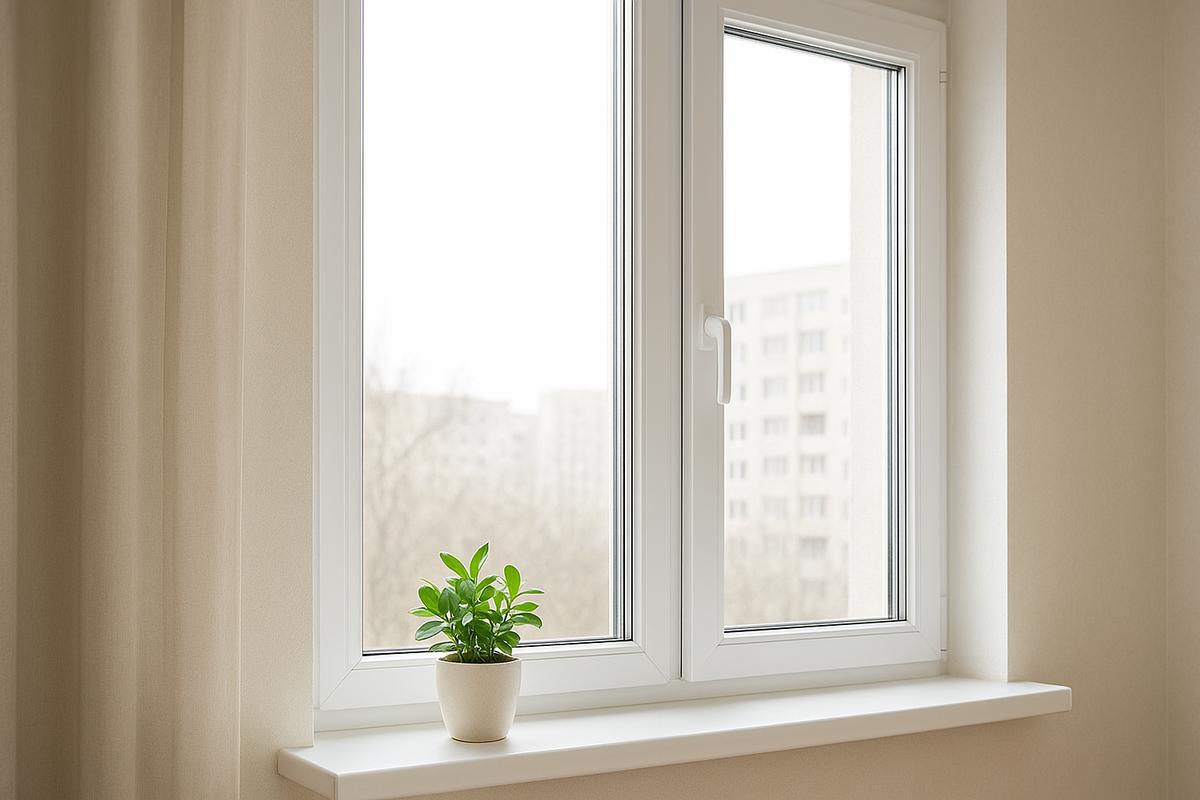
Which windows are best for series 467
Which windows are best for series 467
Series 467 are common panel apartment blocks from the Soviet era found across Latvia. When replacing windows in these units, you need to account for narrow openings, concrete panel edges and ventilation requirements. This guide explains which profiles, glazing units and opening types work best for 467-series apartments.
What to consider about 467-series apartments
- Typical openings are relatively shallow and often require precise measuring and additional support for sills.
- Concrete panel construction means the mounting gap must be properly insulated and secured.
- Noise from nearby streets may demand enhanced sound insulation.
Recommended profile types
- A 5-chamber PVC profile is a practical standard: good thermal performance for a reasonable price.
- Consider 6- or 7-chamber systems if you aim for higher energy efficiency or are planning a more extensive renovation.
- Make sure the profile has proper steel reinforcement to ensure sash stiffness and longevity.
Glazing choices
- A double-chamber (three-glass) insulating glass unit with Low-E coating and argon fill is an efficient, balanced option for most apartments.
- For units facing busy roads, use laminated outer glass or acoustic glazing to reduce external noise.
- On cold-facing sides, increase cavity thickness and consider enhanced insulating panes to reduce heat loss.
Opening types: what works best
- Tilt-and-turn windows are versatile: they provide secure micro-ventilation, easy internal cleaning and good sealing properties.
- Casement windows are fine for larger sections but require internal clearance to open fully.
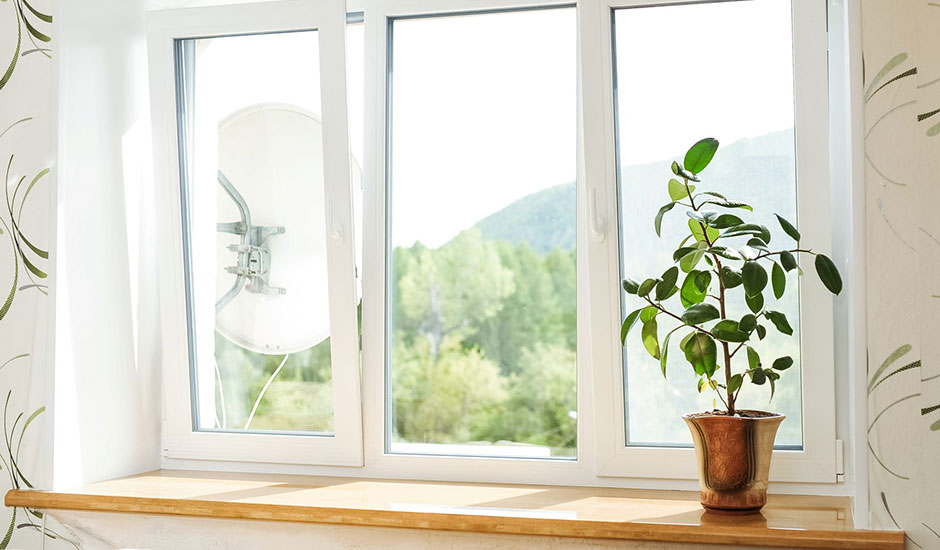
- A common practical solution in 467-series flats is a combination of a fixed glazing panel and a tilt-and-turn sash.
Installation and sealing
- Proper installation is more important than brand name. Use a warm installation method: outer joint should be weatherproof and vapor-permeable, inner joint insulated and vapor-sealed.
- Use suitable anchors and fixings tailored for concrete panels; avoid minimal fastening methods without reinforcement.
- Finish interior slopes and sills correctly: vapor barrier, insulation, and neat finishing are essential for performance.
Ventilation and condensation control
- To prevent damp and mold, ensure adequate ventilation. Tilt-and-turn micro-ventilation helps, but for continuous air exchange, install supply air valves or trickle vents.
Safety and extra options
- Fit enhanced locking mechanisms and child-proof restrictors for safety.
- On lower floors consider laminated or security glazing.
- Solar control or tinted glass can be useful in sun-exposed rooms.
Practical checklist before ordering
- Get professional measurements and consider uneven walls.
- Choose profile (5-chamber standard, 6–7 for more insulation), glazing (double-chamber Low-E + argon), and opening type (tilt-and-turn recommended).
- Agree on installation method, warranty and additional finishing work (sills, slopes, external drip edges).
FAQ
1. Do I need a triple-glazed unit in a 467 flat?
Triple-glazed (double-chamber) units significantly improve thermal and acoustic comfort compared to single-chamber units and are often the optimal choice.
2. 5 or 7 chambers — which is better?
5-chamber systems are a balanced, cost-effective solution. 7-chamber systems provide better thermal performance but are more expensive.
3. How to avoid condensation?
Correct installation with a vapor barrier, sufficient ventilation and a quality insulating glass unit reduce condensation risk.
4. Should I replace sills and internal slopes as well?
Yes — it’s recommended to renew and insulate sills and slopes after window replacement to ensure sealing and appearance.
5. How much does replacement cost?
Costs depend on profile, glazing, complexity of installation and finishing works. Request quotes from several installers.
Tip: prioritize a certified installer with experience in panel buildings. Ask for references and examples in similar houses.
Description: Practical guide for choosing PVC windows for series 467 apartments: profile, glazing, installation and ventilation tips.
DK-Logi blog topics and categories
Useful articles about PVC windows, blinds, and practical advice for your home.

GET A FREE WINDOW COST ESTIMATE!
Leave a request, and we will contact you to arrange a free measurement and provide a full cost estimate.
Your name
Your phone number *
Your e-mail
File
Choose file
Comment (e.g., window sizes, quantity, preferred profiles)
2025 © All rights reserved