WINDOWS


Date added: 03.05.26
Which windows are best for the bedroom
Which windows are best for the bedroom
Choosing windows for a bedroom is about balancing quiet, warmth, privacy and fresh air. The right windows improve sleep quality, reduce energy bills and increase overall comfort.
1. Key selection criteria
- Sound insulation: essential if the bedroom faces streets, playgrounds or busy areas.
- Thermal performance: windows should prevent drafts and heat loss.
- Light control and privacy: blinds, curtains or integrated slats are important.
- Ventilation: proper airflow without major heat loss.
- Security: good locks, laminated glass and sturdy fittings.
2. Glazing options
- Double glazing (two panes) — the most common and cost-effective choice for bedrooms.
- Triple glazing — recommended for very noisy environments or northern exposures.
- Low-E glass reduces heat loss by reflecting infrared radiation.
- Inert gas fills (argon, krypton) between panes improve thermal insulation.
3. Frame and profile
- 5- to 6-chamber PVC profiles are standard for energy-efficient windows.
- Steel reinforcement inside the profile increases stability and longevity.
- Ensure the profile matches the thickness of the glass unit for optimal sealing.
4. Opening types
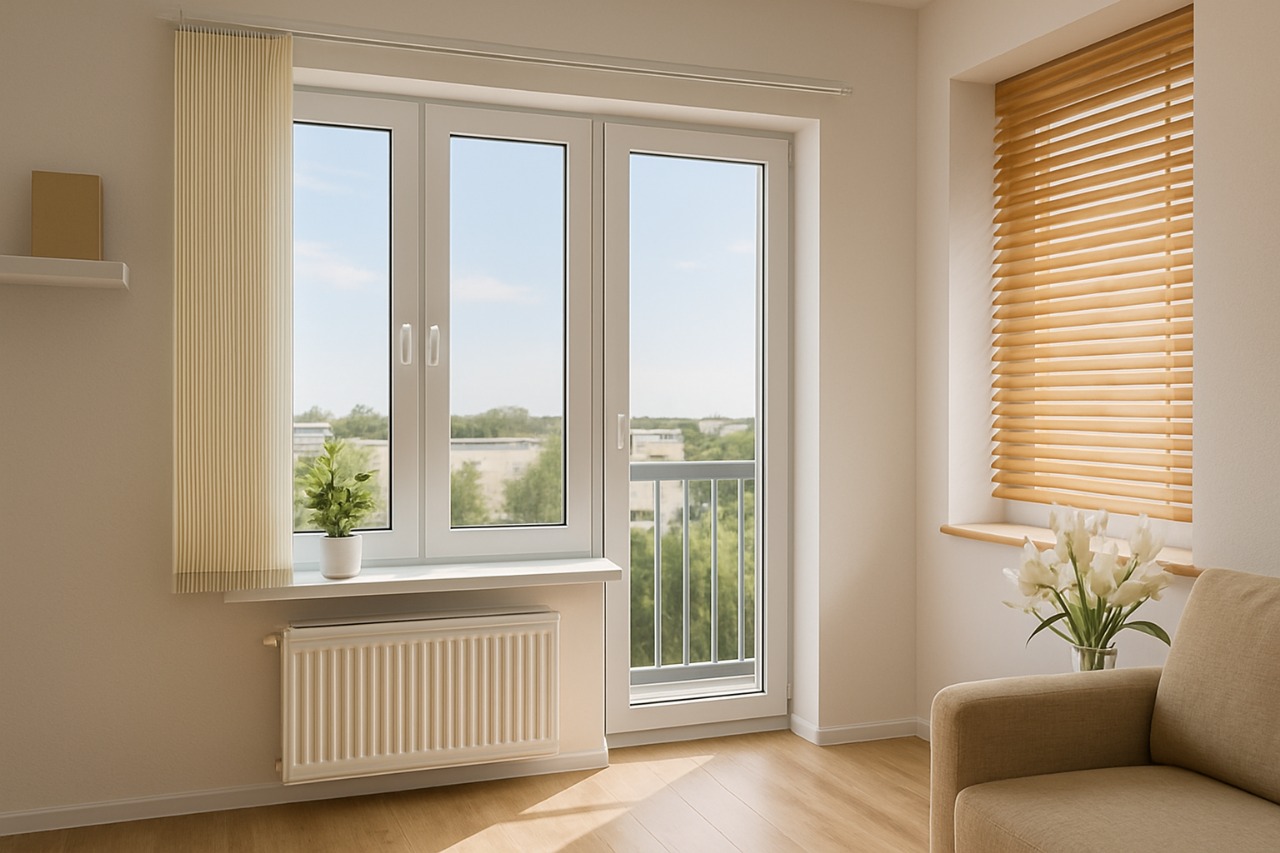
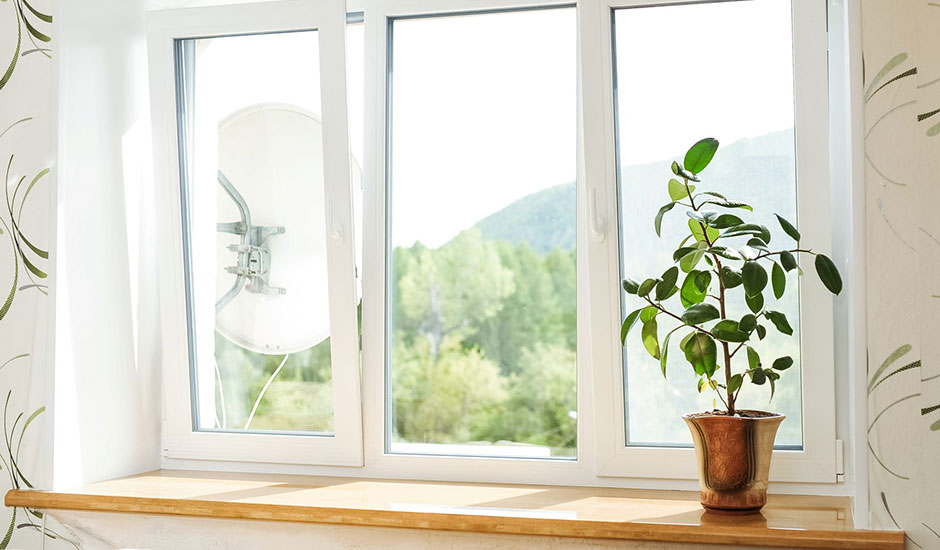
- Tilt-and-turn windows give both secure ventilation and full opening for easy cleaning.
- Sliding windows suit balconies and space-limited areas but usually have lower airtightness.
- Fixed windows are most airtight and energy-efficient but do not provide ventilation.
5. Acoustic solutions
- Use glass units with different thicknesses (e.g., 4/16/6) to break up sound frequencies.
- Laminated acoustic glass significantly reduces airborne noise.
6. Ventilation and micro-ventilation
- Micro-ventilation hardware maintains airflow without major heat loss.
- Wall vents and ventilation valves or heat-recovery units are alternatives to frequent window opening.
7. Light control and privacy
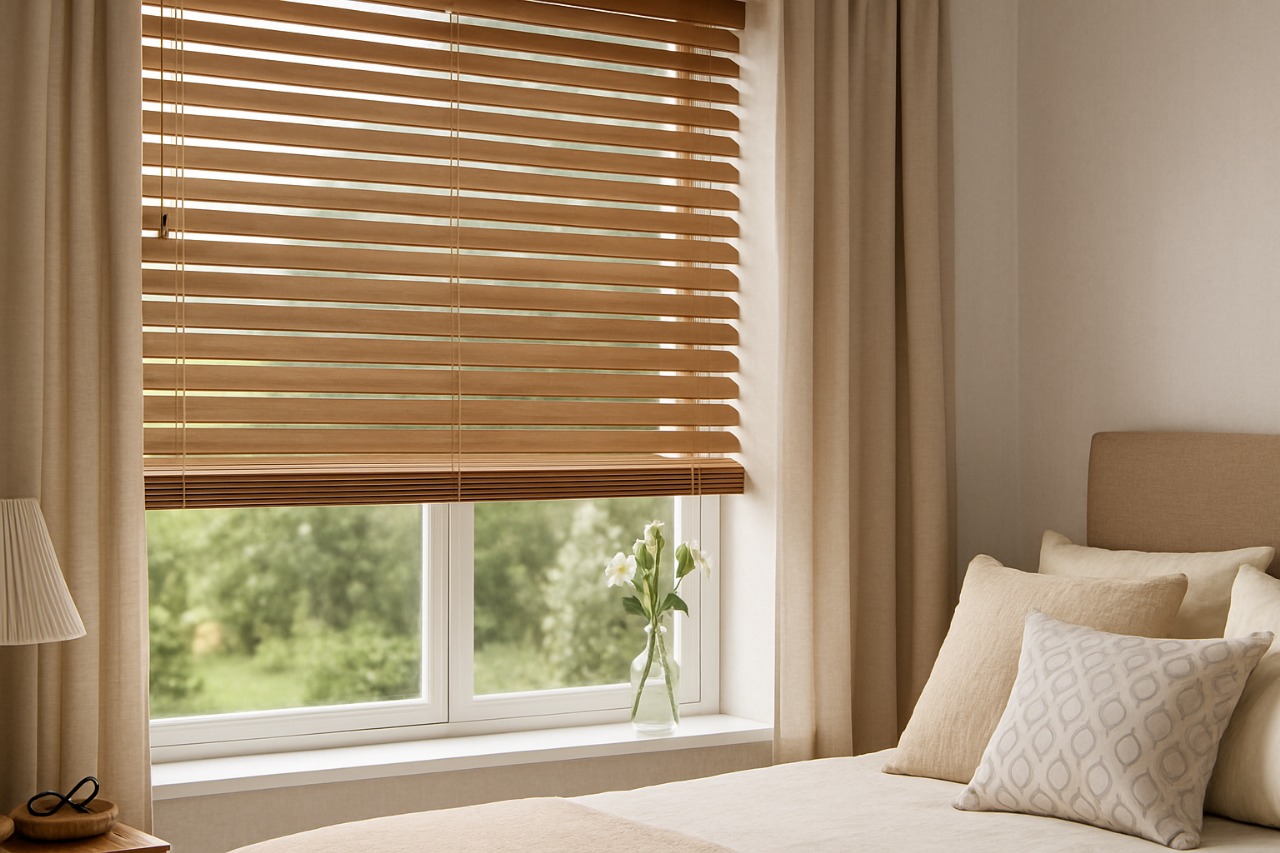
- Blackout blinds, roller blinds, or roman shades provide complete darkness for better sleep.
- Built-in blinds between panes look neat and need little maintenance, but cost more and complicate repairs.
8. Safety
- Laminated glass and reinforced fittings improve break-in resistance.
- Child safety stays and opening limiters are recommended in family homes.
9. Installation and sealing
- Professional installation ensures correct sealing, drainage and long-term performance.
- Use durable EPDM seals for long-lasting tightness and elasticity.
10. Budget considerations
- A balanced choice: mid-range 5–6 chamber profile with a double Low-E unit filled with argon.
- For high noise environments, budget for acoustic or triple glazing.
FAQ
What windows give the best sound insulation?
A double glazed unit with asymmetric glass thickness and a larger air gap works well for most urban settings. For heavy traffic or airports, laminated or triple glazing is preferable.
Do I need micro-ventilation in the bedroom?
Yes. It provides continuous fresh air and reduces dampness without large heat losses, improving sleep quality.
Which is better — 5 or 6 chambers?
A 5-chamber profile suits moderate climates and standard insulation needs. A 6-chamber profile offers higher thermal resistance and is better for colder locations.
Are integrated blinds worth it?
They are convenient and low-maintenance, but more expensive and slightly more complex to service. Good for a neat look and long-term cleanliness.
How to save money without losing quality?
Choose a reliable manufacturer, opt for a mid-range profile with a quality glazing unit and invest in professional installation. Cutting costs on installation often leads to bigger expenses later.
What maintenance do bedroom windows need?
Regular cleaning of frames and drains, lubrication of hardware once a year, and inspection of seals. Proper maintenance extends life and performance.
Tip: Measure openings accurately, check the noise level and sun exposure, and discuss ventilation options with your installer. A well-chosen window plus correct installation ensures comfort and energy savings.
DK-Logi blog topics and categories
Useful articles about PVC windows, blinds, and practical advice for your home.


GET A FREE WINDOW COST ESTIMATE!
Leave a request, and we will contact you to arrange a free measurement and provide a full cost estimate.
Your name
Your phone number *
Your e-mail
File
Choose file
Comment (e.g., window sizes, quantity, preferred profiles)

2025 © All rights reserved