WINDOWS


Date added: 02.07.26
Which windows are suitable for schools and kindergartens
Which windows are suitable for schools and kindergartens
Choosing windows for educational facilities requires balancing safety, durability and comfort with ease of maintenance and energy efficiency. Below are practical recommendations for school administrators, maintenance teams and installers on selecting PVC windows for schools and kindergartens.
Key requirements
- Safety: tempered or laminated glass, opening restrictors and robust hardware.
- Ventilation: ability to provide fresh air without drafts (micro-ventilation modes, controlled opening).
- Acoustic insulation: units rated from 32 dB and up for urban locations.
- Thermal performance: low Uw values to reduce heating costs and maintain comfort.
- Easy maintenance: smooth PVC profiles resistant to cleaning and regular disinfection.
- Vandal resistance: durable profiles and reinforced locks in vulnerable areas.
Recommended window types
- PVC profiles with 5–6 chambers provide a good mix of rigidity and insulation.
- Double or triple glazed units: double for moderate conditions, triple where extra thermal insulation is needed.
- Laminated glass on the inner pane for fragment retention; tempered glass for higher impact resistance.
- Tilt-and-turn or tilt-only options with micro-ventilation and limited-opening features for safe airing.
Hardware and child safety
- Opening restrictors: prevent the sash from opening fully and reduce fall risk.
- Childproof handles and lockable mechanisms: important in kindergarten rooms.
- Anti-finger-trap profiles and gaskets to prevent pinching injuries.
- Handles mounted at heights inaccessible to small children or with locking options.
Ventilation and indoor air quality
Proper ventilation is more important than aesthetics: high CO2 levels reduce attention and wellbeing in children.
- Mechanical supply ventilation: windows should be able to integrate supply air diffusers where central ventilation exists.
- Micro-ventilation in hardware: provides continuous fresh air without drafts.
- Filtered ventilation valves: useful in polluted urban areas to reduce dust and allergens.
Sound and thermal insulation
- Acoustic insulation: check the Rw rating; for urban schools, aim for 32–36 dB or higher.
- Thermal performance: use Low-E coatings and inert gas fills (argon) in glazing to reduce heat loss.
Blinds and sun protection
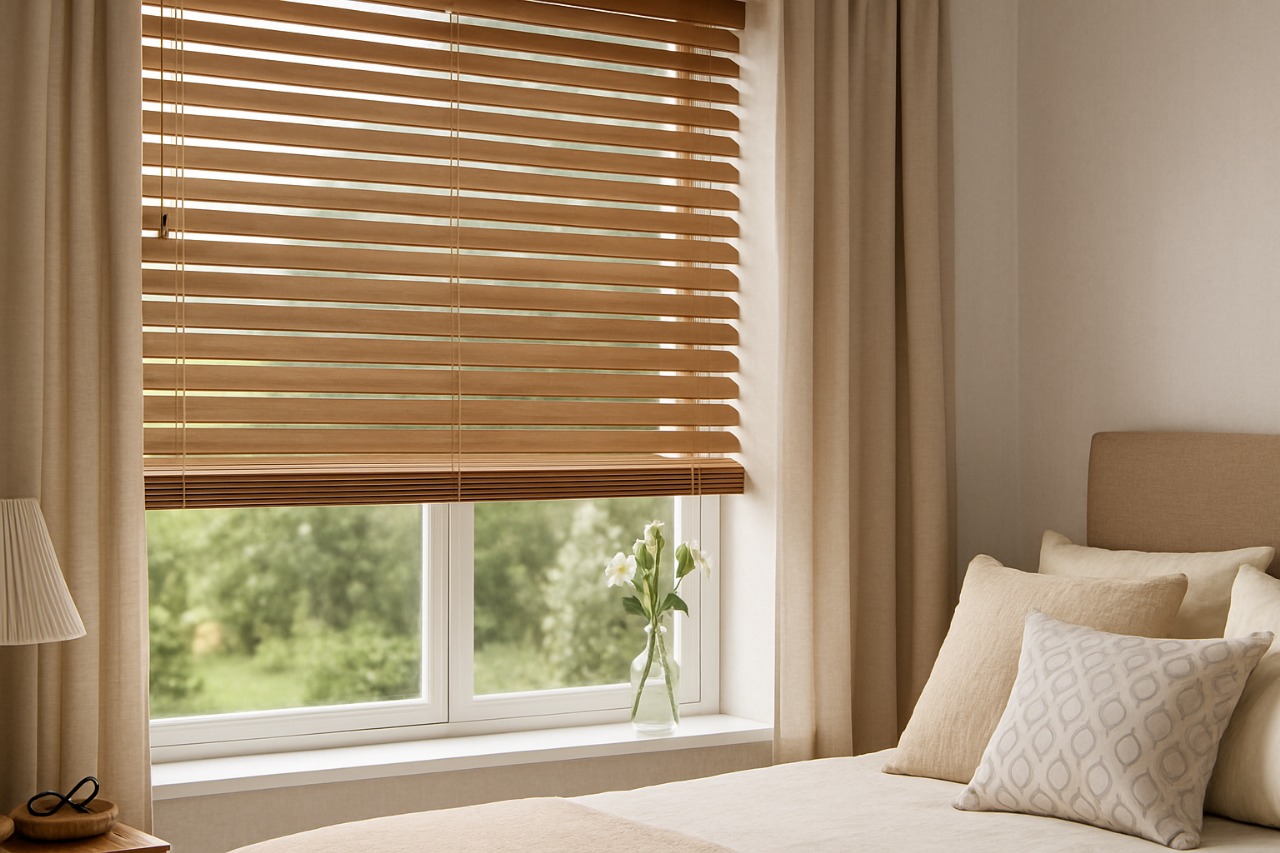
- Integrated blinds: roller or vertical blinds are useful to control classroom lighting and nap rooms in kindergartens.
- Washable and fire-retardant materials: essential for child-care environments.
- Blackout options for sleeping areas.
Installation and maintenance
- Professional installation with proper sealing and drip edge prevents moisture and drafts.
- Scheduled maintenance of hardware 1–2 times per year: lubrication, hinge adjustment and gasket checks.
- Quick replacement strategy for broken units, using laminated/tempered glass as required.
FAQ
Which is safer: tempered or laminated glass?
Tempered glass is strong and breaks into small blunt pieces. Laminated glass holds fragments on the interlayer and prevents pieces from falling out. Many institutions use a combination: tempered outside, laminated inside.
Do windows need anti-burglary features?
Standard reinforced hardware is usually sufficient for most schools. In higher-risk locations add extra locks, anti-lift bolts and reinforced profiles.
How to ventilate overnight safely?
Use micro-ventilation and opening restrictors. For sleeping rooms in kindergartens, add insect screens and consider controlled supply ventilation.
How often should blinds be cleaned in child-care facilities?
Monthly cleaning for blinds is recommended; follow local health service guidelines for disinfection frequency.
What is the lifespan of PVC windows in schools?
With correct installation and maintenance, PVC windows typically last 25–40 years; wear parts like gaskets and hardware may need replacement sooner.
Quick checklist before purchase
- Choose a reputable profile with 5–6 chambers.
- Insist on laminated inner glass in vulnerable areas.
- Verify hardware: micro-ventilation, restrictors, childproof locks.
- Select washable and fire-retardant blinds with blackout options.
- Ensure installer provides warranty and service.
Summary
- Safety: laminated/tempered glass and opening restrictors.
- Ventilation: micro-ventilation and supply valves to maintain air quality.
- Insulation: acoustic and thermal solutions with Low-E and argon fills.
- Hardware: childproof handles and anti-vandal measures.
- Blinds: washable, fire-retardant and blackout options for nap rooms.
- Maintenance: biannual checks and prompt glass replacement.
- Installation: professional fitting with proper sealing.
- Longevity: 25–40 years with regular care.
- Energy savings: efficient windows reduce heating costs.
- Compliance: follow local standards and certification requirements.
DK-Logi blog topics and categories
Useful articles about PVC windows, blinds, and practical advice for your home.

GET A FREE WINDOW COST ESTIMATE!
Leave a request, and we will contact you to arrange a free measurement and provide a full cost estimate.
Your name
Your phone number *
Your e-mail
File
Choose file
Comment (e.g., window sizes, quantity, preferred profiles)
2025 © All rights reserved