WINDOWS


Date added: 04.07.26
Which windows to choose for a passive house
Introduction
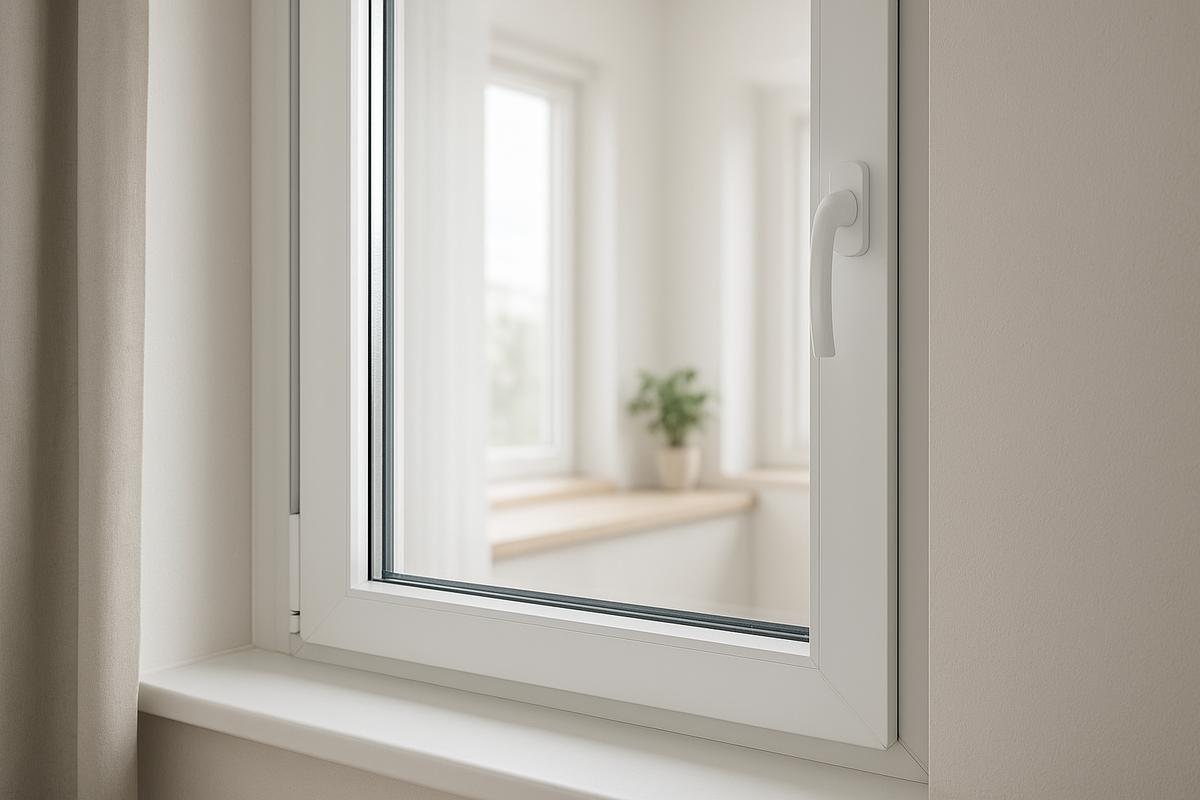
Windows are a critical component of a passive house: they influence heat loss, solar gains, airtightness, and occupant comfort. Choosing the right PVC windows (or alternative profiles) requires attention to thermal performance, glazing, installation and integration with ventilation systems. This guide explains the main criteria for windows in a Baltic climate like Latvia.
Key technical requirements
- Low whole-window U-value (Uw). Passive house projects typically target Uw ≤ 0.8 W/m²·K.
- Triple glazing (three glass panes) filled with inert gas (argon or krypton).
- Warm edge spacers to reduce edge heat loss and condensation risk.
- Low-emissivity (low-E) coatings to control radiant heat loss while managing solar gains.
- High air-tightness of the frame and correct installation with vapor and wind barriers.
- Robust hardware with multi-point locking for consistent pressure on seals.
Profiles and materials
- PVC profiles: modern multi-chamber uPVC with proper reinforcement provide an excellent cost-to-performance ratio and low maintenance.
- Wood-aluminum or aluminum with thermal break: aesthetic, durable and more expensive options, suitable when slim sightlines are important.
- Timber frames: warm and natural, but require maintenance and careful detailing.
Glazing and gas fill
- Triple glazing is the baseline for passive house compliance.
- Gas filling: Argon is economical and effective for standard cavity widths; Krypton performs better in narrower cavities but is costlier.
- Low-E coatings should be selected to balance winter heat retention and summer solar control depending on orientation.
Installation and avoiding thermal bridges
A well-performed installation is as important as window specs. Poor installation can negate the benefits of premium glazing.
- Use the “warm installation” principle: exterior wind-tightness, middle thermal insulation and inner vapor-tight layer.
- Properly seal and insulate perimeter joints with tapes, foams and sealants designed for passive-house levels.
- Perform an airtightness test (blower door) after installation to verify results.
Comfort, ventilation and condensation control
- Highly airtight windows must be part of a balanced mechanical ventilation with heat recovery (MVHR).
- To avoid condensation: ensure correct mounting depth, warm edge spacers, and appropriate glazing choices.
Economics and payback
Passive-house windows are more expensive upfront but reduce heating demand significantly. Payback depends on project scale, energy prices, and overall building performance.
FAQ — Practical questions and answers
What Uw and Ug values are required?
Aim for Uw ≤ 0.8 W/m²·K for windows in a passive house. Typical center-pane Ug values for triple glazing range from 0.5 to 0.7 W/m²·K depending on cavity widths and gas fill.
Is PVC (uPVC) suitable for passive house windows?
Yes. Modern multi-chamber uPVC frames can meet passive-house requirements when combined with appropriate glazing and professional installation. Look for profiles designed for high thermal performance and good sealing systems.
Which gas is better: argon or krypton?
Argon provides the best cost-effectiveness for standard cavities (12–16 mm). Krypton is more efficient in narrow cavities or when pursuing very low Ug values, but it is significantly more expensive.
Do I need Passivhaus Institute certification?
Certification from PHI (Passivhaus Institut) is a strong quality indicator, but not mandatory. Ensure the manufacturer provides verified Uw/Ug values and supports airtight installation techniques.
How can condensation be prevented?
Correct installation depth, warm-edge spacers, low Ug glass and balanced ventilation with heat recovery reduce condensation risk. Also avoid cold bridges near window reveals.
What additional options are recommended?
- Integrated blinds or external shading to control summer overheating.
- Laminated or tempered safety glass where needed.
- Easy-clean or solar-control coatings depending on exposure.
Conclusion: Select windows with verified Uw ≤ 0.8, triple glazing with warm-edge spacers and inert gas fill, and ensure high-quality installation. The right combination of components and workmanship is essential for achieving passive-house performance.
DK-Logi blog topics and categories
Useful articles about PVC windows, blinds, and practical advice for your home.

GET A FREE WINDOW COST ESTIMATE!
Leave a request, and we will contact you to arrange a free measurement and provide a full cost estimate.
Your name
Your phone number *
Your e-mail
File
Choose file
Comment (e.g., window sizes, quantity, preferred profiles)
2025 © All rights reserved