WINDOWS


Date added: 10.08.26
Which windows to choose for kindergartens
Introduction
Choosing windows for kindergartens is a responsible decision affecting children’s safety, health and comfort, as well as the facility's operating costs. This guide covers essential requirements, recommended PVC window constructions, and practical tips for procurement and maintenance.
Key requirements for kindergarten windows
- Safety: no sharp edges, use of laminated or tempered safety glass, opening restrictors.
- Ventilation: safe micro-ventilation options and controlled fresh air intake.
- Thermal performance: energy-efficient insulated glazing to maintain comfortable indoor temperatures.
- Sound insulation: protection from street noise, important for centers near busy roads.
- Ease of cleaning: smooth, durable surfaces and easily serviceable hardware.
- Durability: robust profiles and reinforcement resistant to daily wear.
Priority is children’s safety and indoor air quality. Choose solutions that minimize injury risk and support a healthy microclimate.
Glazing: types and recommendations
Safety glass
- Laminated glass holds fragments in place on failure and reduces injury risk. Use it where children interact with windows or where glass is within reach.
- Tempered glass is stronger and breaks into small granular pieces, reducing sharp shards.
Energy and noise
- Double- or triple-glazed units with Low-E coatings help retain heat and reduce heating costs.
- Asymmetric glazing (different glass thicknesses) improves acoustic performance — a good choice for noisy locations.
Profile and construction
- A multi-chamber PVC profile (at least 5 chambers) provides good thermal and acoustic insulation.
- Steel reinforcement increases structural strength and resistance to mechanical stress.
- Opening restrictors and childproof locks are essential accessories.
Hardware
- Reliable, adjustable hardware with service support.
- Micro-ventilation functions and ventilation modes that allow airing without fully opening the sash.
- Quality gaskets for a tight seal and long service life.
Opening types: practical choices
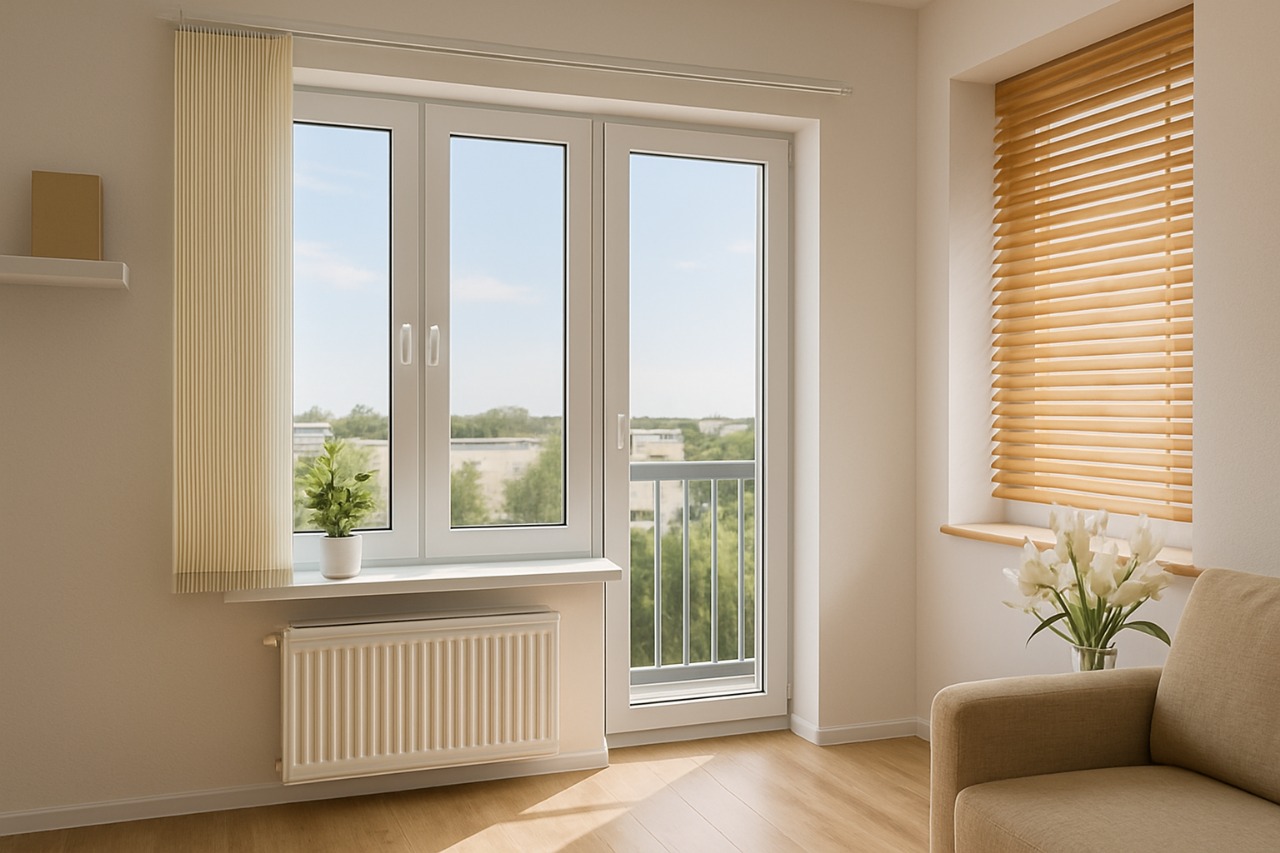
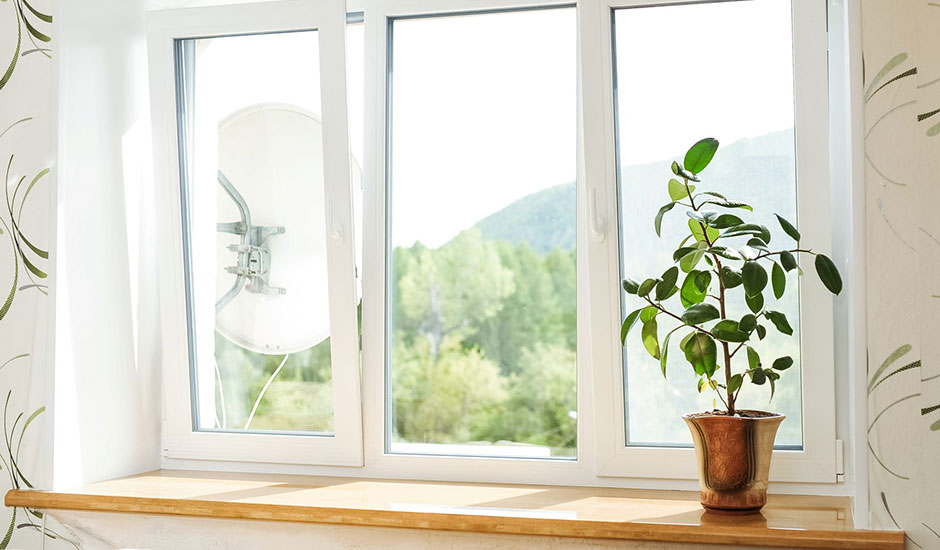
- Tilt-and-turn windows are versatile: tilt for safe ventilation and turn for full opening for cleaning and emergency exit.
- Tilt-only or limited-opening sashes prevent full swing and are practical in rooms with small children.
- Opening limiters prevent falls and finger trapping.
Blinds and sun protection
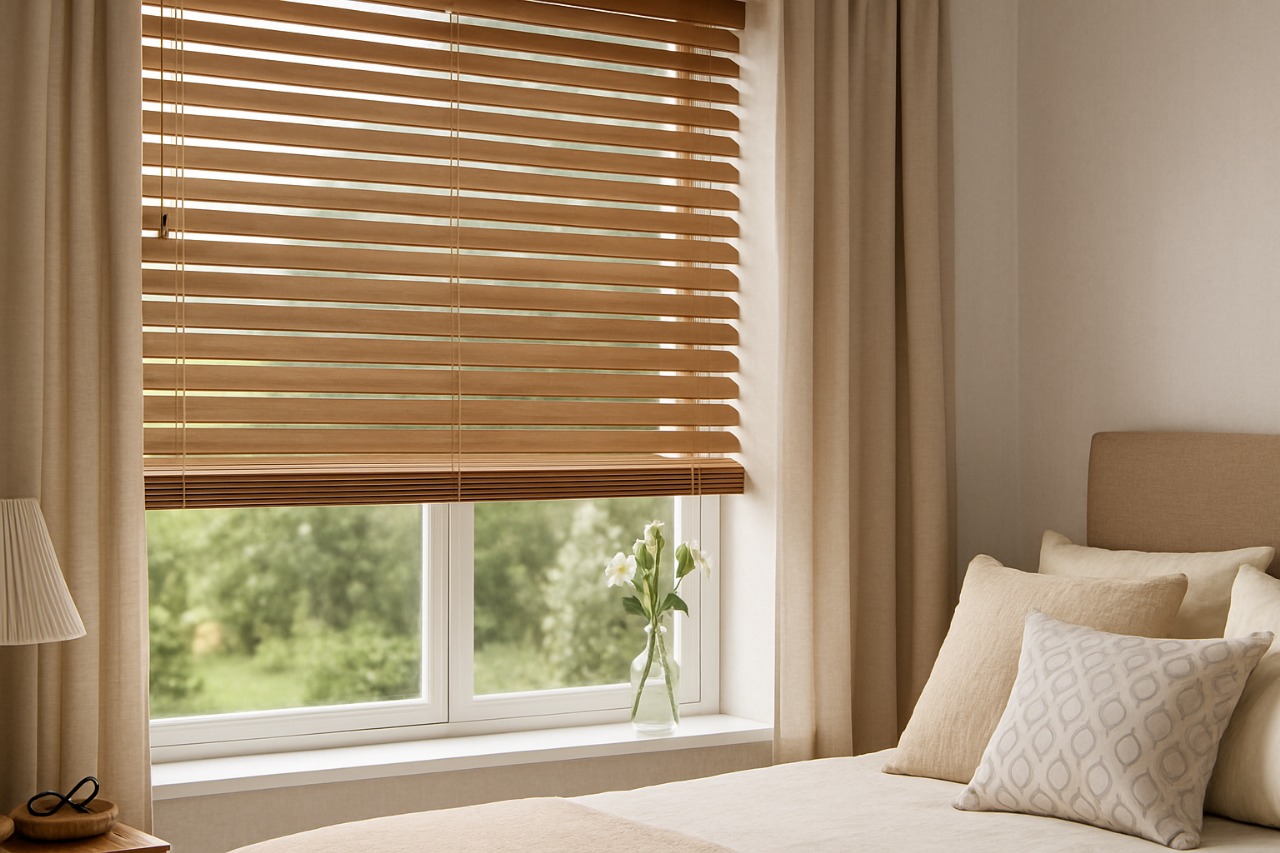
- Roller or fabric blinds with easy-clean, antibacterial finishes suit kindergarten rooms.
- Prefer materials that do not trap dust and are washable.
- External or internal shading prevents overheating in play areas.
Installation and maintenance
- Installation should be carried out by certified professionals, ensuring correct gaps, sealing and damp-proofing.
- Inspect seals and hardware twice a year: before heating season and after summer.
- Cleaning should avoid abrasive tools; use mild detergents compatible with PVC and coating materials.
Safety documentation
- Windows should comply with local safety and sanitary regulations and have conformity certificates.
- Keep product datasheets, warranties and handover certificates after installation.
Practical checklist before purchase
- Laminated or tempered safety glass.
- Multi-chamber profile with reinforcement.
- Childproof locks and opening limiters.
- Micro-ventilation option.
- Washable blinds and easy-clean materials.
- Manufacturer warranty and local service support.
Conclusion
For kindergartens, prioritize safety and indoor climate. PVC windows with laminated glass, multi-chamber profiles, robust hardware and opening restrictors are a cost-effective, safe and durable solution.
FAQ
Should I choose laminated or tempered glass?
Laminated glass retains fragments and is preferable where glass is within children's reach, while tempered glass offers higher strength and safer breakage pattern. Use laminated at low levels.
Is a 5-chamber profile enough?
A 5-chamber profile is typically sufficient for good insulation; in colder climates or for improved acoustics consider 6-chamber systems.
How to ventilate safely?
Use tilt mode or micro-ventilation with restrictors to provide fresh air without allowing full sash opening.
Do blinds pose a hazard?
Avoid long cords and loose chains. Use cordless roller systems or internal blinds designed for public spaces.
How often should windows be serviced?
Twice a year is recommended: before winter and after summer. Check seals, hardware and perform cleaning.
DK-Logi blog topics and categories
Useful articles about PVC windows, blinds, and practical advice for your home.

GET A FREE WINDOW COST ESTIMATE!
Leave a request, and we will contact you to arrange a free measurement and provide a full cost estimate.
Your name
Your phone number *
Your e-mail
File
Choose file
Comment (e.g., window sizes, quantity, preferred profiles)
2025 © All rights reserved