WINDOWS


Date added: 04.10.26
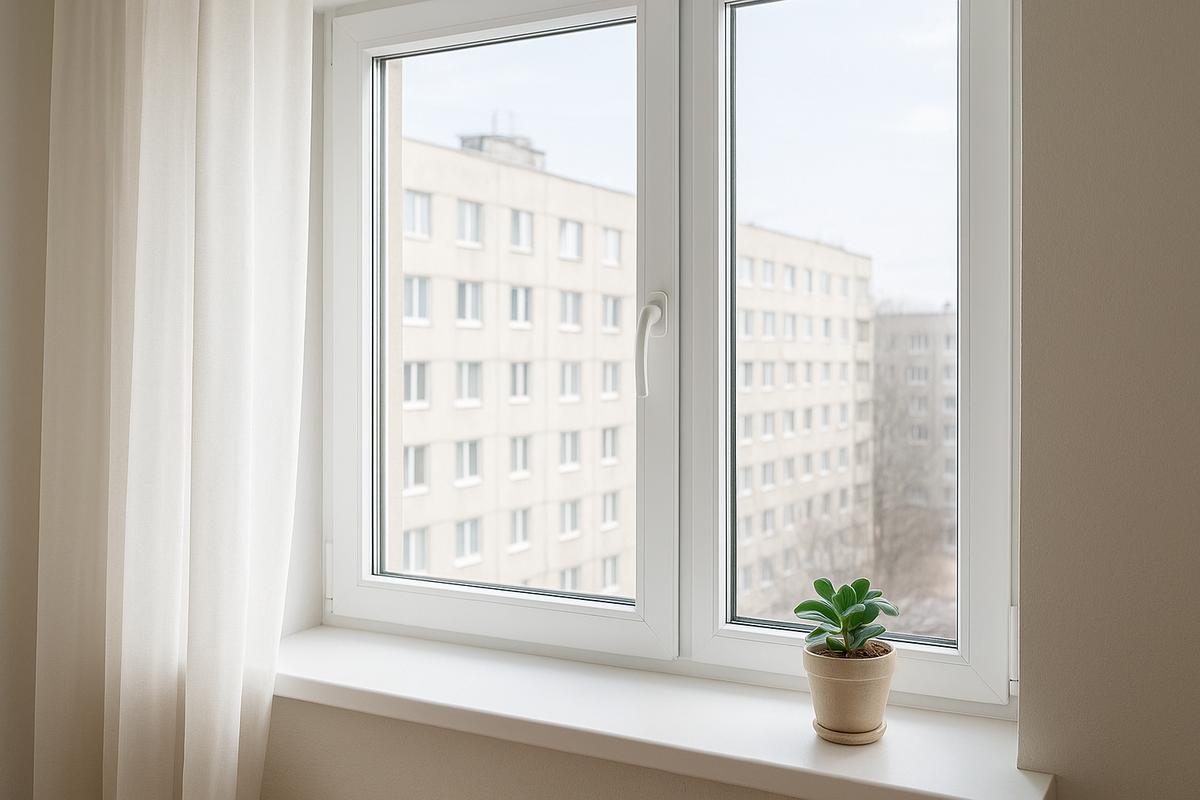
Which windows to choose for series 119
Which windows to choose for series 119
Introduction
Series 119 is a common panel housing type across Latvia and the Baltic region. Typical features — shallow window sills, standardized openings, and limited wall depth — require a careful approach when replacing windows. This guide gives clear recommendations for PVC windows suitable for series 119 apartments: profiles, glazing units, hardware, and installation tips.
Characteristics of series 119 buildings
- Typical panel apartment: rectangular standardized openings and narrow plaster reveals.
- Limited space for deep frames and insulation layers.
- Increased need for proper sealing and controlled ventilation.
Key selection criteria
1. Profile and chamber count
- Choose a 5–6 chamber profile for a good balance of cost and thermal performance. For colder or corner apartments choose 6 chambers.
- Profile width 70–80 mm offers better rigidity and room for reinforcement.
2. Glazing unit (insulating glass unit)
- Minimum recommendation: double insulating glass unit (two‑chamber IGU) for improved thermal and acoustic insulation.
- Argon fill and low‑emissivity (Low‑E) coating significantly reduce heat loss.
- For noisy streets, opt for mismatched glass thicknesses and a sound‑insulating cavity.
3. Opening type and hardware
- Tilt‑and‑turn sashes are practical in typical rooms: easy ventilation and cleaning.
- Fixed or casement types may be suitable for kitchens and smaller openings.
- Reliable hardware with multi‑point locking and adjustment improves airtightness and longevity.
4. Sealing and reinforcement
- Double gasket seals (two rubber seals) improve airtightness and reduce drafts.
- Metal reinforcement inside the profile is recommended for large sashes and balcony doors.
5. Trims and reveals
- Use vapor‑permeable external tape and waterproof internal tape on the mounting joint.
- Interior reveals should be made from moisture‑resistant materials considering the shallow sills.
Installation notes
- Removal of old windows and installation of new ones should be performed by teams experienced with panel housing.
- Typical mounting gap: 10–20 mm, but series 119 sometimes needs custom fitting.
- Insulation of the mounting joint and correct sill extension reduce thermal bridges.
Ventilation and condensation
- Airtight windows reduce natural ventilation; install trickle vents or micro‑ventilation to prevent moisture build‑up.
- Warm reveals and proper ventilation help avoid condensation on glass.
Balcony and loggia systems
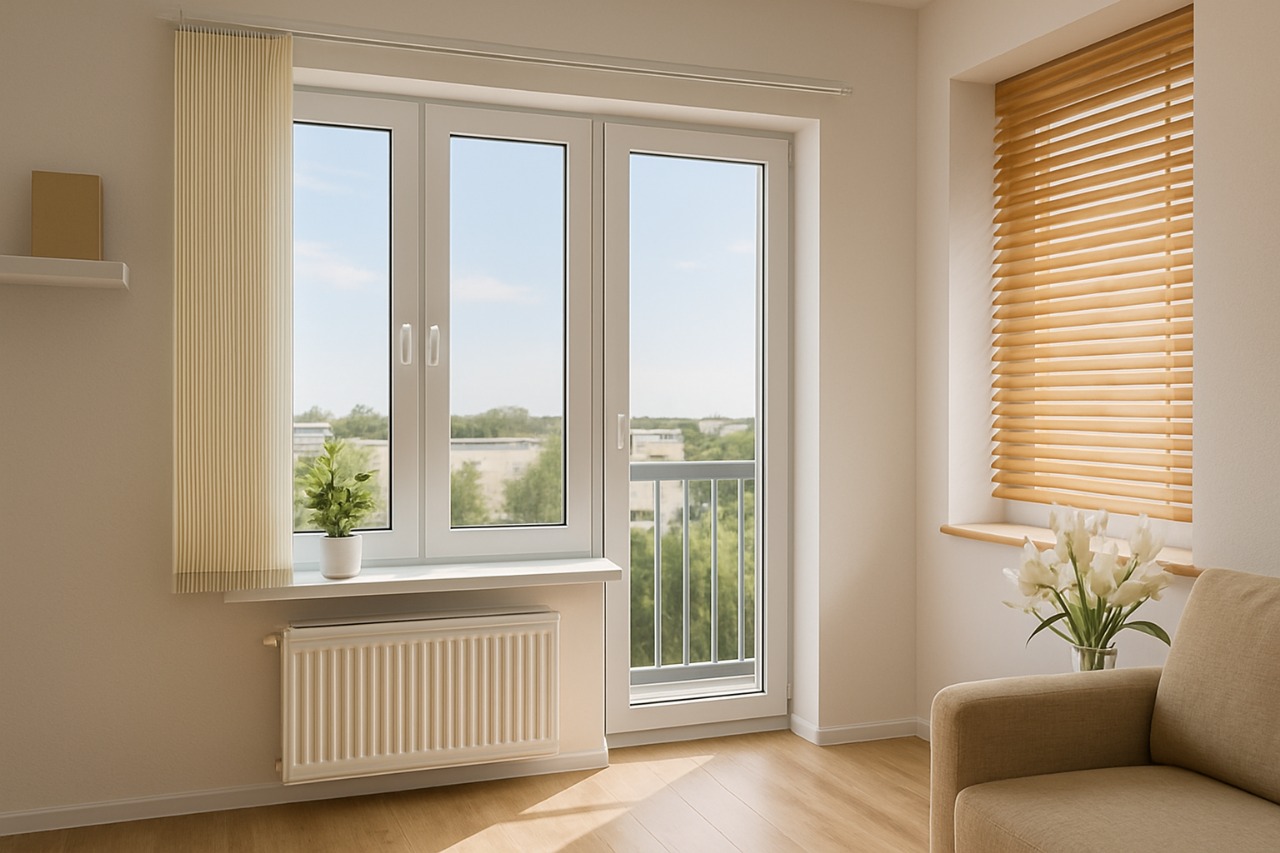
- Use reinforced profiles, threshold with thermal break, and robust hardware for balcony doors.
- Sliding systems are possible but demand precise measurements and professional fitting.
Cost and lead times
- Typical production time 2–4 weeks depending on configuration and glazing.
- Budget option: 5‑chamber profile + two‑chamber IGU. Upgrade to 6‑chamber + energy IGU for better performance.
Frequently Asked Questions (FAQ)
Q: What windows are best for a corner apartment?
Recommendation: choose a 6‑chamber profile and consider a three‑glass unit if budget allows; reinforce the frame to reduce deformation.
Q: Should I replace the sill and reveals together with the window?
Yes. Properly installed sills and reveals seal the mounting joint, reduce mold risks, and improve overall performance.
Q: How to avoid condensation?
Ensure mechanical or trickle ventilation, warm internal reveals, and use energy‑efficient IGUs.
Q: What warranties and maintenance are typical?
Warranties vary: usually 2–5 years for hardware and seals, 5–10 years for profiles and IGUs. Regular lubrication and adjustment extend service life.
Q: Do I need permits to replace windows in series 119?
Usually not if the facade appearance remains unchanged. If you alter the external look, consult the building management or local planning authority.
Q: Can I install blinds or roller shades?
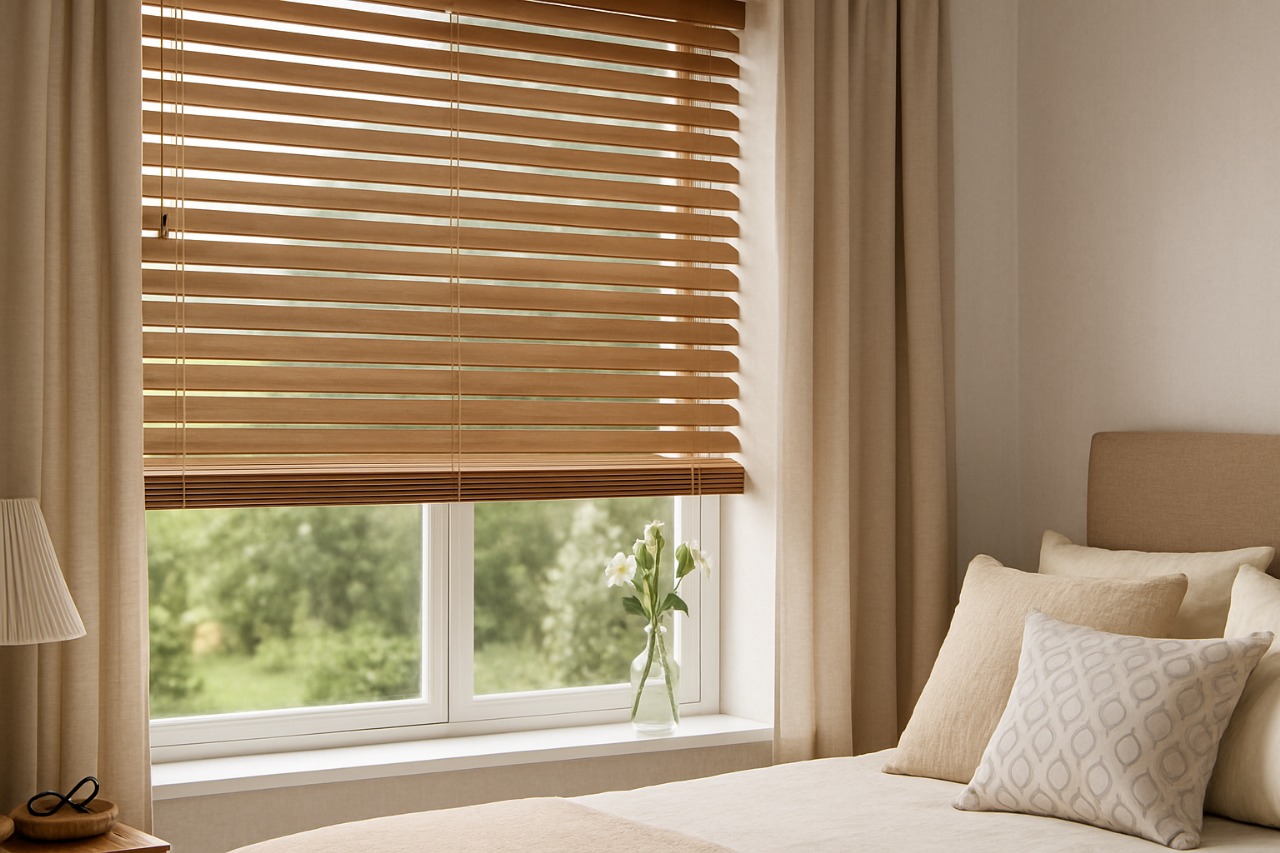
Yes. Internal systems (roller, Roman, cellular shades) are recommended for panel buildings to avoid loading the reveal.
Choosing contractors
- Check references for work in panel houses.
- Ask for a detailed estimate including removal and disposal of old windows and finishing works.
Conclusion
Selecting windows for series 119 is about balancing thermal comfort, acoustic insulation, and installation constraints. A 5–6 chamber PVC profile with a two‑chamber energy‑efficient IGU, reliable hardware and a correct installation with sealed joints is a practical solution for most apartments. Adjust the specification according to noise exposure, budget, and specific mounting conditions.
DK-Logi blog topics and categories
Useful articles about PVC windows, blinds, and practical advice for your home.

GET A FREE WINDOW COST ESTIMATE!
Leave a request, and we will contact you to arrange a free measurement and provide a full cost estimate.
Your name
Your phone number *
Your e-mail
File
Choose file
Comment (e.g., window sizes, quantity, preferred profiles)
2025 © All rights reserved