WINDOWS


Date added: 24.11.26
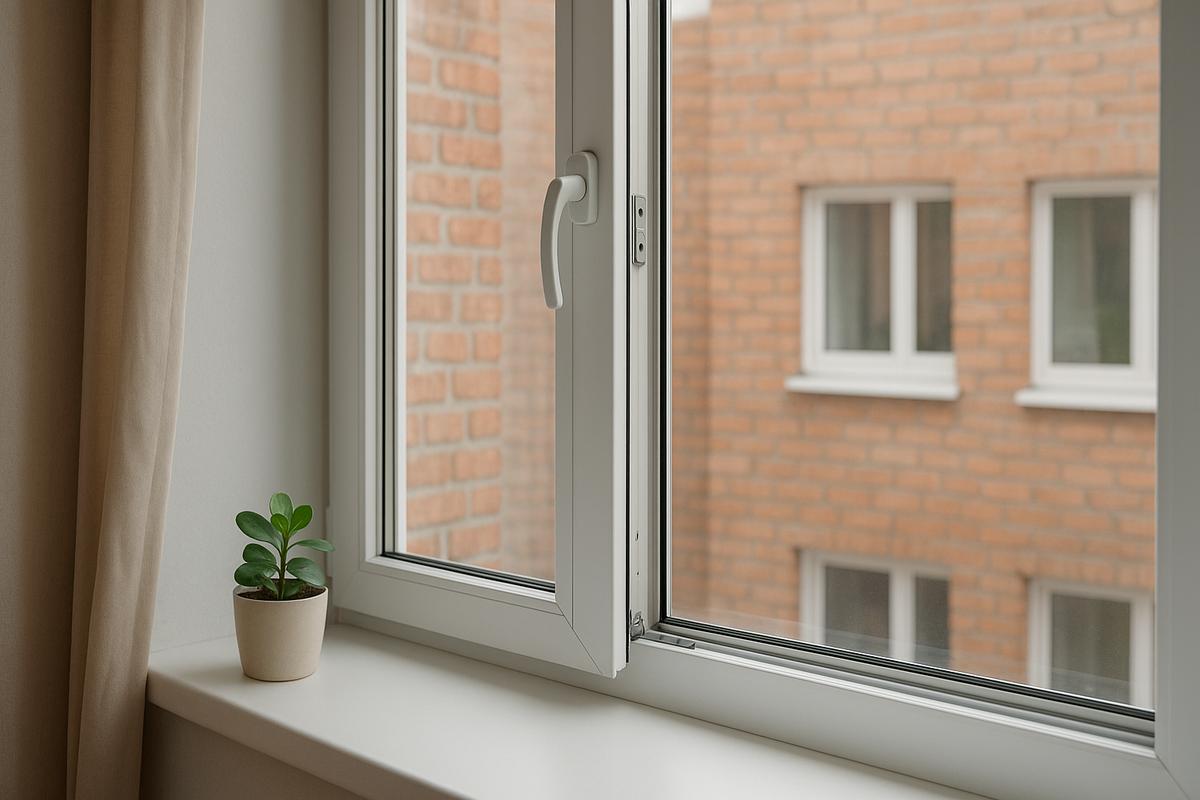
Why do windows in brick Khrushchyovkas creak when opening
Introduction
Creaking windows when opening is a common issue in older brick Khrushchyovka apartments. The noise is annoying, interferes with ventilation and may indicate worn hardware or degraded seals. This article explains common causes, how to diagnose the problem, quick fixes you can try, and when to seek professional help.
Main reasons for creaking
- Worn hardware. Hinges, locking parts and other mechanisms wear out, rust or lose lubrication over time.
- Misaligned or warped frames. Wooden frames affected by moisture or settlement can rub against other elements.
- Dirt and debris accumulation. Dust and particles collect on tracks and pivot points, increasing friction.
- Lack of lubrication. Dry metal joints and bearings often cause squeaks and sticking.
- Degraded seals. Old rubber or foam seals lose elasticity, causing the sash to move roughly and produce noise.
- Structural settlement. Uneven settling of brick walls in older buildings creates additional stress on the window unit.
How to diagnose the source
- Visual inspection. Check hinges, screws, seals and visible hardware for rust, cracks or wear.
- Operate the sash slowly. Note when the creak occurs: when turning the handle, raising the sash, or locking it in a vent position.
- Check for play. Wiggle the sash to find looseness or excessive movement.
- Inspect tracks and grooves for dirt and old lubricant buildup.
- Examine the seal — if it crumbles or loses shape, it may be the culprit.
Quick DIY fixes
- Cleaning. Use a brush and vacuum to remove dust and debris from hinges and tracks before applying any lubricant.
- Lubrication. Apply silicone spray or a light lithium lubricant to hinges and pivot points. Avoid thick oils that attract dirt.
- Tighten fasteners. Tighten loose screws and bolts; avoid over-tightening which can deform hinges.
- Replace seals. New seals often restore smooth, quiet operation and improve insulation.
- Hardware adjustment. Many window systems have adjustment screws to alter sash alignment and reduce rubbing.
Note: For wooden frames, be cautious — aggressive sanding or adjustments may damage the wood. Seek a specialist if the sash is heavily deformed.
Professional repairs
- Replacing hinges and hardware. Corroded or damaged parts should be replaced as a whole.
- Reshaping or planing the sash. If the frame is warped, the sash can be trimmed or adjusted to fit correctly.
- Full seal and roller replacement. Modern seals and components restore quiet and reliable operation.
- Window replacement. Replacing an old unit with a modern PVC window is a long-term solution that improves function and energy performance.
Preventive maintenance
- Service windows 1–2 times a year: clean and apply light lubrication.
- Inspect after winter and before intensive airing seasons.
- Replace worn seals and loose fasteners promptly.
- Avoid rough handling of handles and sashes.
When to call a professional
- The window jams or is difficult to open despite lubrication.
- Corrosion or visible mechanical damage is present.
- The sash is visibly deformed, or it sags and does not close correctly.
- Complex multi-point hardware needs adjustment or replacement.
FAQ
Can I lubricate windows with household oil (e.g., vegetable oil)?
No. Vegetable oil oxidizes, becomes sticky, and attracts dust. Use silicone sprays or recommended light lubricants designed for window hardware.
How much does fixing a creak cost?
Simple lubrication and tightening are inexpensive. Replacing hardware or seals costs more, and full window replacement is the most expensive option.
Can I replace the seal myself?
Often yes — many seals are fitted into a groove and can be replaced by a handy homeowner. For complex profiles consult a professional.
How long does window hardware last?
Typically 10–20 years with normal use. Replace when wear, rust or functional decline is evident.
Conclusion
Creaking windows in brick Khrushchyovkas are usually fixable. Starting with cleaning and lubrication often solves the problem. For worn or deformed parts, repair or replacement of hardware and seals will restore quiet, smooth operation. Regular maintenance prevents recurrence and extends the lifespan of your windows.
DK-Logi blog topics and categories
Useful articles about PVC windows, blinds, and practical advice for your home.


GET A FREE WINDOW COST ESTIMATE!
Leave a request, and we will contact you to arrange a free measurement and provide a full cost estimate.
Your name
Your phone number *
Your e-mail
File
Choose file
Comment (e.g., window sizes, quantity, preferred profiles)

2025 © All rights reserved